Foundational Discovery
1932
Identification of vitamin C as the antiscorbutic factor
Two groups in 1932 tied scurvy, known since antiquity, to a single chemical deficiency, fixing the antiscorbutic factor as ascorbic acid. Szent-Gyorgyi won the 1937 Nobel; he and King disputed priority for years.
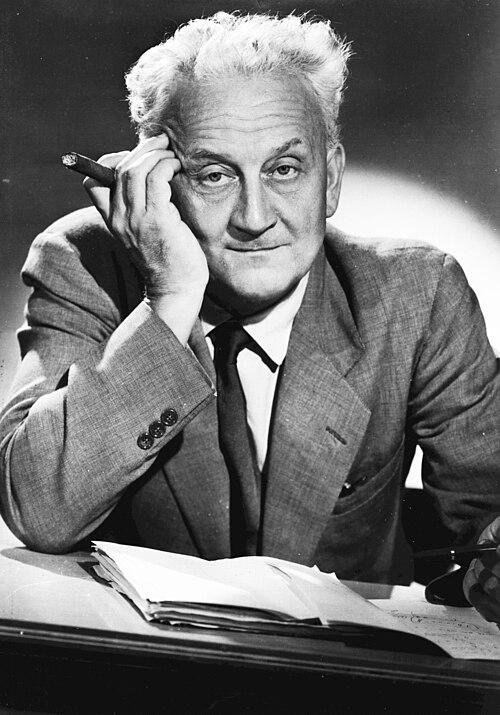
Key people
- Albert Szent-Gyorgyi
- Hungarian physiologist; isolated hexuronic acid and showed with Svirbely that it prevented scurvy; Nobel 1937
- Charles Glen King
- American biochemist; published identification of antiscorbutic factor in April 1932
- W. A. Waugh
- King's collaborator on the isolation and identification experiments
- Tadeus Reichstein
- Swiss chemist who synthesized ascorbic acid in 1933 and devised the industrial production process
Source
Science, 1932 (King & Waugh); J Biol Chem, 1932 (Waugh & King) (opens in a new tab)
Scurvy had been recognized as a disease of dietary deprivation for centuries before its specific cause was known. The Royal Navy had issued lemon juice to all its sailors since 1795 on purely empirical grounds, and the connection between fresh citrus and prevention of scurvy was well established in clinical observation. What remained unknown through the nineteenth century and into the twentieth was the identity of the chemical responsible: which compound in citrus or fresh vegetables was doing the preventive work, and whether it was a single substance or a mixture.
Albert Szent-Gyorgyi, a Hungarian physiologist, had isolated a reducing substance from adrenal glands while working in Cambridge under Frederick Gowland Hopkins and at the Mayo Foundation in Minnesota. He called it hexuronic acid, published its chemical characterization in 1928, and after taking a chair at the University of Szeged in 1930 suspected it was the antiscorbutic factor. Confirmation required showing the isolated compound could prevent or cure scurvy. At the University of Pittsburgh, Charles Glen King and his collaborator W. A. Waugh were pursuing the same compound from lemon juice by a different route. King and Waugh published in April 1932 in Science, identifying their crystalline isolate as the antiscorbutic agent. In Szeged, Szent-Gyorgyi and Joseph Svirbely tested hexuronic acid on guinea pigs and reported the same conclusion in Nature in 1932, and hexuronic acid was renamed ascorbic acid. A priority dispute that both men prosecuted actively for years followed.
Neither the dispute nor its resolution changed what was known about the compound itself. King and Waugh published first by a matter of weeks, and both groups had reached the same molecule by different routes. Its structure was then worked out by Norman Haworth's group in Birmingham: a six-carbon lactone with a reducing enediol group, stable in acid and unstable in alkaline or oxidizing conditions. In 1933 Haworth's group and Tadeus Reichstein in Zurich each synthesized the compound independently, so supply no longer depended on extracting it from food.
Biochemical characterization of ascorbic acid's roles has continued since 1932. It is a cofactor for prolyl hydroxylase and lysyl hydroxylase, the enzymes needed to make stable collagen; deficiency interrupts collagen synthesis and produces the connective tissue breakdown characteristic of scurvy. Ascorbic acid also acts as a water-soluble antioxidant and takes part in carnitine biosynthesis and in making noradrenaline. Recommended daily allowances have been revised multiple times as these roles have been worked out.
Szent-Gyorgyi received the 1937 Nobel Prize in Physiology or Medicine for discoveries on biological combustion, with special reference to vitamin C; Haworth shared that year's chemistry prize for his work on carbohydrates and vitamin C. King received no Nobel. Szent-Gyorgyi also found that Hungarian paprika contained large amounts of the vitamin. Reichstein's production process, one fermentation step followed by several chemical steps, remained the main industrial method until the late 1990s.
Keep exploring
 Read next · built on
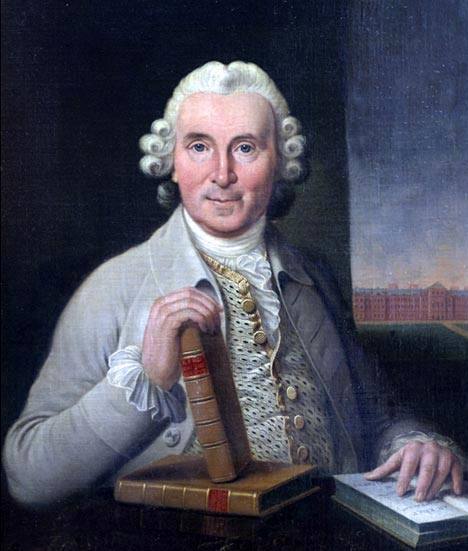
Lind's Scurvy Trial on HMS Salisbury (1747)
Lind showed citrus cured scurvy in 1747, and the 1932 work found the chemical that does it. Lind's story shows twelve sailors in six pairs given six remedies.
Read this moment
Read next · built on
Lind's Scurvy Trial on HMS Salisbury (1747)
Lind showed citrus cured scurvy in 1747, and the 1932 work found the chemical that does it. Lind's story shows twelve sailors in six pairs given six remedies.
Read this moment
 Today on The Clinical Times
Florida dengue outbreak appears to be largest in continental U.S. in decades
Florida has reported more than 250 locally acquired dengue cases this year, with most in Hillsborough County, according to state health officials.
Read today’s top stories
Today on The Clinical Times
Florida dengue outbreak appears to be largest in continental U.S. in decades
Florida has reported more than 250 locally acquired dengue cases this year, with most in Hillsborough County, according to state health officials.
Read today’s top stories
All 526 moments in the history of medicine. This one is in chapter 5, Cures and codes
Connected moments
How this moment links to others in the history of medicine, and what you will find in each.
-
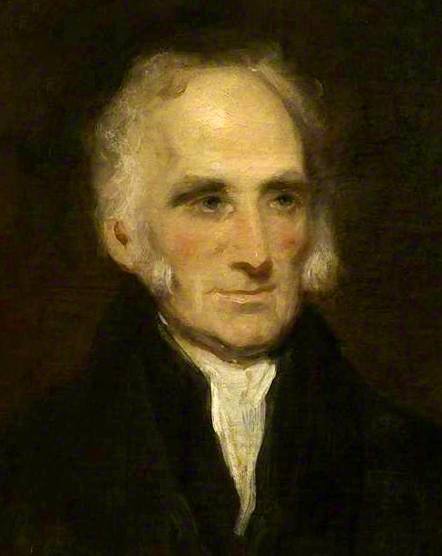 Built on1795Lemon juice for the Royal NavyThe Royal Navy had issued lemon juice since 1795 on purely practical grounds, long before its active factor was known. That story shows scurvy almost disappearing from the fleet.Read this moment
-
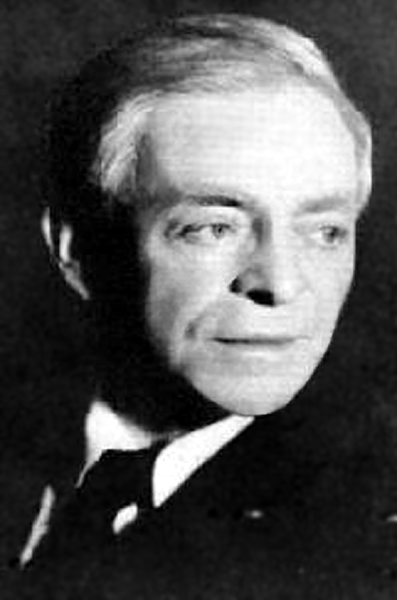 Built on1912Funk's vitamine (vital amine) hypothesisFunk proposed that scurvy came from lack of a single dietary factor, and in 1932 that factor was identified. His story shows the vitamine theory that launched the hunt.Read this moment
-
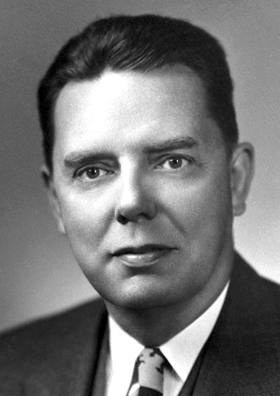 Same person1949Cortisone for Rheumatoid ArthritisTadeus Reichstein, who synthesized vitamin C in 1933, later shared a Nobel Prize for work on adrenal hormones. The cortisone story shows a patient with rheumatoid arthritis transformed by an adrenal hormone.Read this moment