Foundational Discovery
1955
Sanger's Sequencing of Insulin
Sanger read out insulin's two chains and the disulfide bonds joining them, the first full sequence of any protein. It showed that a protein has one defined order of amino acids and won him the 1958 Nobel Prize in Chemistry.
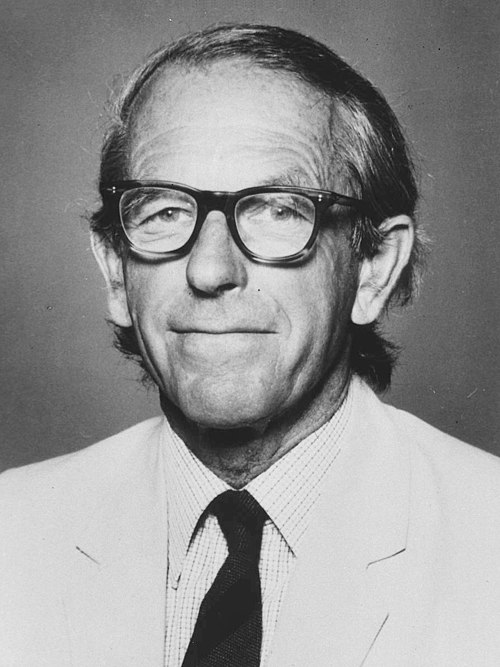
Key people
- Frederick Sanger
- Biochemist who sequenced insulin; Nobel Prizes in 1958 and 1980.
- Hans Tuppy
- Austrian biochemist who collaborated with Sanger on the B chain sequence.
- E.O.P. Thompson
- Collaborated with Sanger on the A chain sequence analysis.
Source
In the late 1940s, proteins were known to be long chains of amino acids, but nobody knew the order of the amino acids in any of them, or whether each protein had a single fixed sequence. The most discussed theory, from Max Bergmann and Carl Niemann, held that each amino acid recurred at regular intervals along the chain; at the other extreme was the idea that a pure protein was a random mixture of similar molecules. Frederick Sanger, working in the Department of Biochemistry at Cambridge, set out to answer the question by reading the complete sequence of a protein small enough to be tractable. Insulin was a practical choice: Albert Chibnall's group had already analyzed its amino acid composition in detail, and it lacked two common amino acids, tryptophan and methionine.
The technical obstacle was that no method existed to read a protein's sequence directly. Sanger developed one. He introduced 2,4-dinitrofluorobenzene, later called Sanger's reagent, to label the free amino terminus of a peptide chain, which could then be identified after acid hydrolysis. By cleaving insulin with different enzymes and acids at different positions, generating overlapping fragments, and painstakingly mapping where each fragment fell in the overall chain, he assembled the full sequence of both chains over roughly ten years of work. The A chain had 21 residues; the B chain had 30. Two disulfide bonds connected them at specific positions, with a third within the A chain itself.
The paper describing the complete structure appeared in the Biochemical Journal in 1955. Sanger concluded that proteins are definite chemical substances, with one particular amino acid at each position in the chain. The insulin chains also showed no repeating pattern, which ruled out the Bergmann and Niemann theory. If sequence was fixed, it had to be encoded somewhere in the cell, and whatever stored genetic information had to specify an exact linear order.
Watson and Crick had published the double helix structure two years earlier, in 1953. Sanger's result provided the complementary constraint: if DNA was the hereditary molecule, it needed to encode specific sequences, which the base-pair template mechanism could accomplish. The two discoveries together made the genetic code a solvable problem, one that Crick, Brenner, Nirenberg, and others solved by the mid-1960s. Sanger received the Nobel Prize in Chemistry in 1958 for the insulin work.
After insulin, Sanger developed further methods for studying proteins and the active sites of enzymes, and around 1960 he turned to RNA and DNA. In 1977 he and his colleagues published the chain-terminating (dideoxy) method of DNA sequencing. The Human Genome Project used Sanger sequencing, after improving and automating it. Sanger shared the 1980 Nobel Prize in Chemistry for that work, becoming the first person to win the chemistry prize twice; K. Barry Sharpless became the second in 2022.
Keep exploring
 Read next · built on
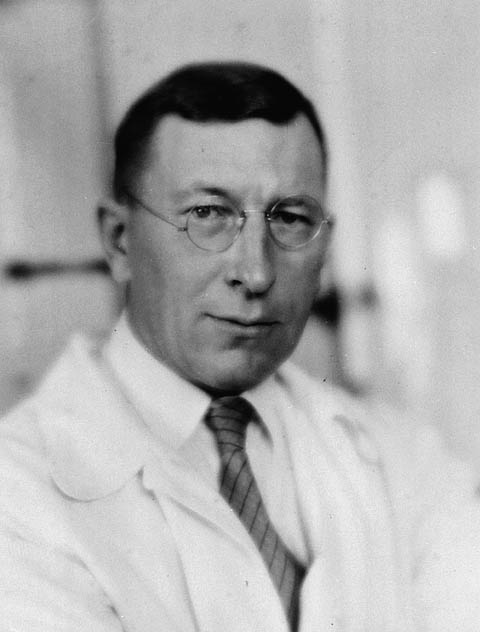
Discovery of Insulin (1922)
Sanger chose insulin, the hormone discovered in Toronto, as the first protein to sequence. The insulin story shows it turning diabetes from a death sentence into a treatable disease.
Read this moment
Read next · built on
Discovery of Insulin (1922)
Sanger chose insulin, the hormone discovered in Toronto, as the first protein to sequence. The insulin story shows it turning diabetes from a death sentence into a treatable disease.
Read this moment
 Today on The Clinical Times
Florida dengue outbreak appears to be largest in continental U.S. in decades
Florida has reported more than 250 locally acquired dengue cases this year, with most in Hillsborough County, according to state health officials.
Read today’s top stories
Today on The Clinical Times
Florida dengue outbreak appears to be largest in continental U.S. in decades
Florida has reported more than 250 locally acquired dengue cases this year, with most in Hillsborough County, according to state health officials.
Read today’s top stories
All 526 moments in the history of medicine. This one is in chapter 5, Cures and codes
Connected moments
How this moment links to others in the history of medicine, and what you will find in each.
-
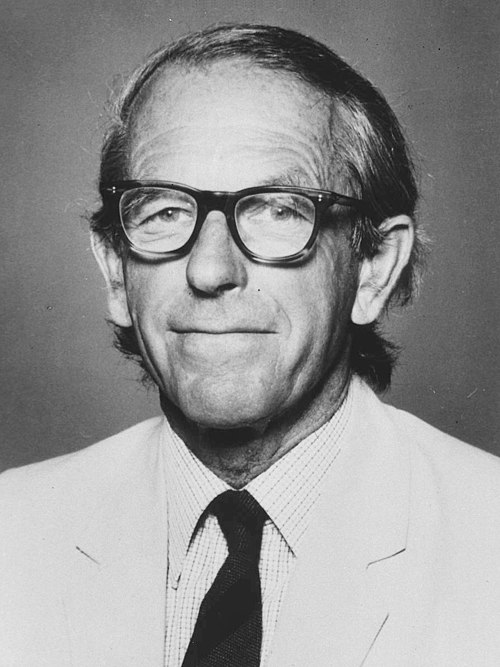 Same person1977Sanger DNA Sequencing (dideoxy chain-termination method)Frederick Sanger went on from proteins to DNA, inventing the sequencing method that won him a second Nobel Prize. That story shows the method later used for the Human Genome Project.Read this moment
-
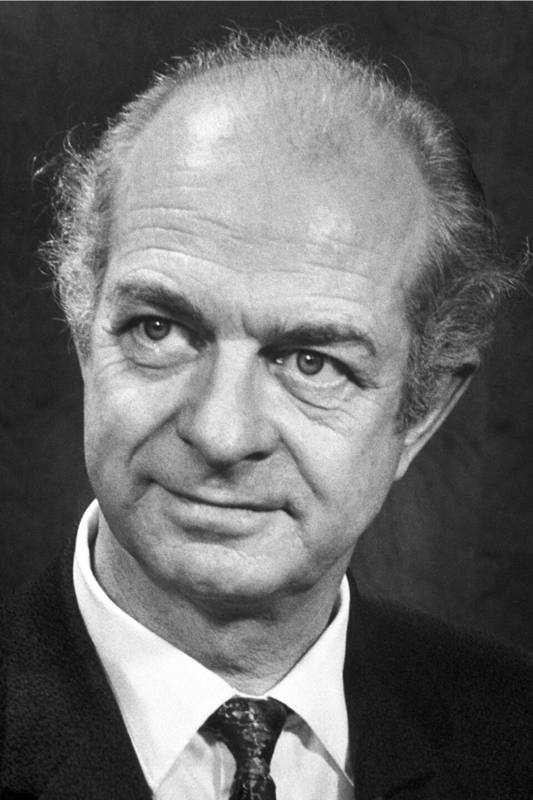 Same disease or problem1949Sickle cell anemia as a molecular diseaseSanger showed each protein has one exact order of amino acids, and sickle cell anemia was traced to a single change in that order. The sickle cell story shows the first disease tied to an abnormal protein.Read this moment
-
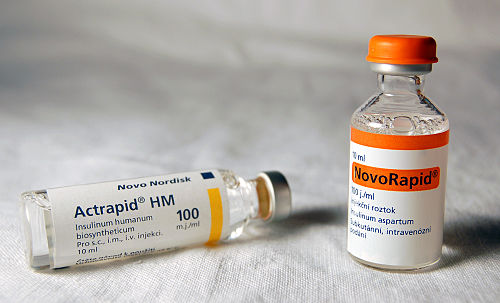 Same disease or problem1982Recombinant Human Insulin (Humulin) ApprovalSanger read insulin's exact sequence, and Humulin was insulin with the human sequence made by engineered bacteria. Its story shows the first commercial product of recombinant DNA.Read this moment