Foundational Discovery
1901
Discovery of the ABO Blood Groups
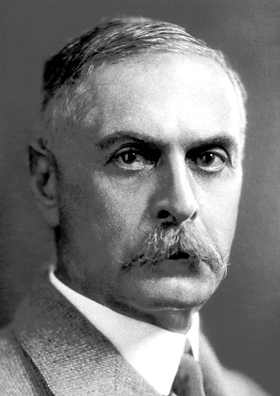
Landsteiner mixed sera and red cells from his colleagues and found people fall into reactive groups he first called A, B, and C. Matching donor to recipient by group made the outcome of a transfusion predictable.
Key people
- Karl Landsteiner
- Viennese pathologist who described the A, B, and O blood groups in 1901
- Alfred von Decastello
- Identified the fourth ABO group (AB) in 1902 with his student Sturli
- Adriano Sturli
- Co-identified the AB blood group in 1902
Source
Before 1901, surgeons who attempted blood transfusion had no way to predict whether the procedure would save a patient or kill one. Some recipients tolerated infusions from healthy donors without incident; others developed hemolytic crises within minutes and died. The failures were blamed on technique or on the patient's constitution. Landois had shown in 1875 that animal blood cells clump in human vessels, but no one had compared blood between people.
Karl Landsteiner changed that with an economical experiment. Working as an assistant in the Department of Pathological Anatomy at the University of Vienna, he collected serum and red cells from himself and five colleagues, then mixed every possible pairing in small tubes and recorded which produced visible agglutination. The results fell into three reproducible groups, which he labeled A, B, and C in his November 1901 paper in the Wiener klinische Wochenschrift. The C group was later renamed O to reflect its lack of A or B antigens. In 1902 Alfred von Decastello and his student Adriano Sturli identified the fourth group, AB, whose cells carry both antigens and whose serum carries neither antibody.
The immunological explanation followed directly from the data. A person's serum contains antibodies against whatever antigens are absent from their own cells: type A individuals carry anti-B, type B carry anti-A, and type O carry both. Transfusing the wrong group introduced foreign antigens into a host primed to destroy them. Landsteiner had described a two-part antigen and antibody system. Because the groups are inherited, he suggested by 1903 that they could help settle disputed paternity.
Clinical adoption took time. World War I created a large demand for transfusion, but many military surgeons paid little attention to blood grouping or compatibility tests. Grouping became practical once Moss showed that blood could be typed in two to five minutes with standard sera, and in 1921 Percy Lane Oliver founded a volunteer donor service in London under the British Red Cross. Landsteiner received the Nobel Prize in Physiology or Medicine in 1930; in 1927 he and Philip Levine had described the MN and P blood group systems.
Compatibility testing for red cell transfusion still rests on the system Landsteiner found in the blood of himself and five colleagues. Crossing sera against cells kept finding new groups: in 1940, at the Rockefeller Institute in New York, Landsteiner and Alexander Wiener described the Rh factor.
Keep exploring
 Read next · built on
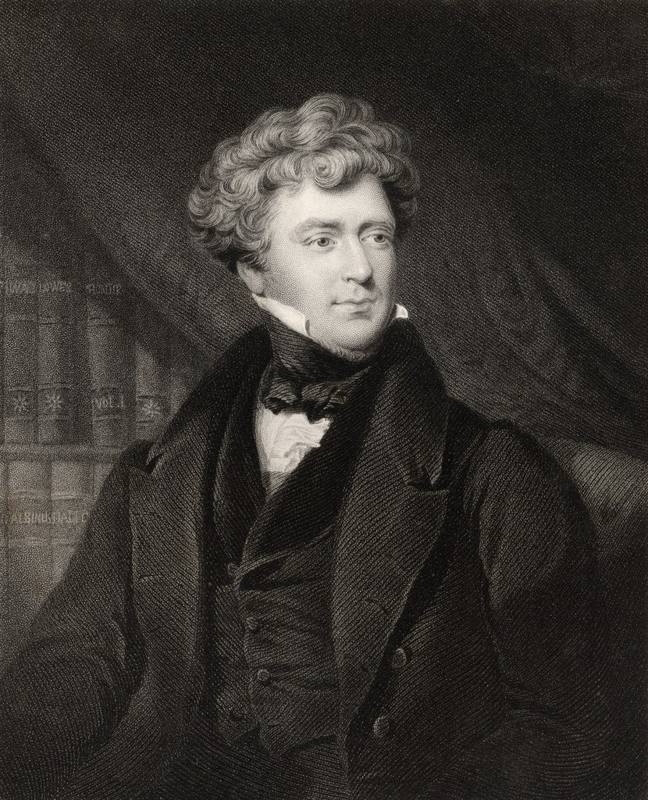
Blundell's first transfusion of human blood (1818)
Blundell insisted on human blood, but until 1901 no one could predict which transfusions would kill. Blundell's story shows the first transfusions of human blood into dying patients.
Read this moment
Read next · built on
Blundell's first transfusion of human blood (1818)
Blundell insisted on human blood, but until 1901 no one could predict which transfusions would kill. Blundell's story shows the first transfusions of human blood into dying patients.
Read this moment
 Today on The Clinical Times
Florida dengue outbreak appears to be largest in continental U.S. in decades
Florida has reported more than 250 locally acquired dengue cases this year, with most in Hillsborough County, according to state health officials.
Read today’s top stories
Today on The Clinical Times
Florida dengue outbreak appears to be largest in continental U.S. in decades
Florida has reported more than 250 locally acquired dengue cases this year, with most in Hillsborough County, according to state health officials.
Read today’s top stories
All 526 moments in the history of medicine. This one is in chapter 5, Cures and codes
Connected moments
How this moment links to others in the history of medicine, and what you will find in each.
-
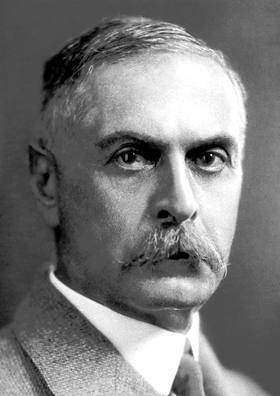 Led to1940Landsteiner and Wiener's Rh blood groupCrossing sera against cells kept finding new groups, and in 1940 Landsteiner and Wiener described the Rh factor. That story shows the Rh factor explaining hemolytic disease of the newborn.Read this moment
-
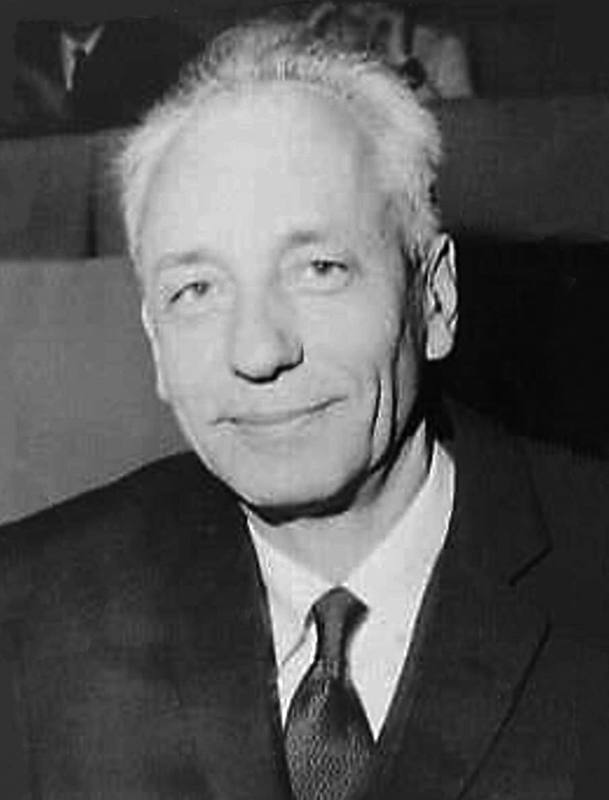 Same disease or problem1958HLA antigens and tissue typingLandsteiner matched blood by its antigens, and HLA typing later matched tissues for transplants the same way. The HLA story shows antibodies in women who had borne children revealing a new system of antigens.Read this moment
-
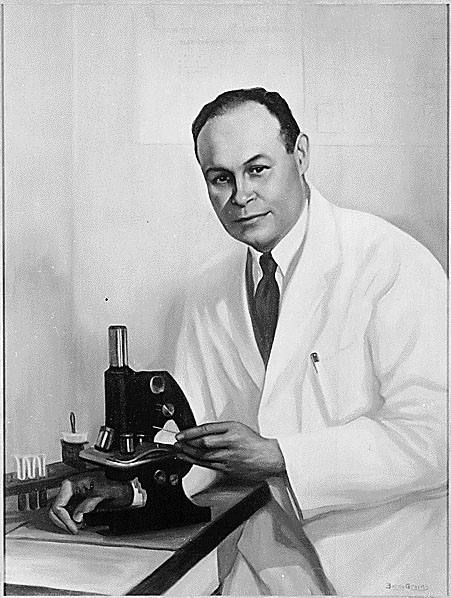 Same disease or problem1940Charles Drew and blood plasma bankingBlood grouping made transfusion predictable, and Drew built a system for collecting and shipping plasma in wartime. His story shows Blood for Britain and his objection to blood being segregated by race.Read this moment