Infectious Disease
1882
Koch's Discovery of the Tubercle Bacillus
Koch identified the tubercle bacillus as the cause of tuberculosis, which then killed one in seven people in Europe and the United States, using a new staining method and pure cultures. He announced the finding in Berlin on March 24, 1882, the date now marked as World TB Day.
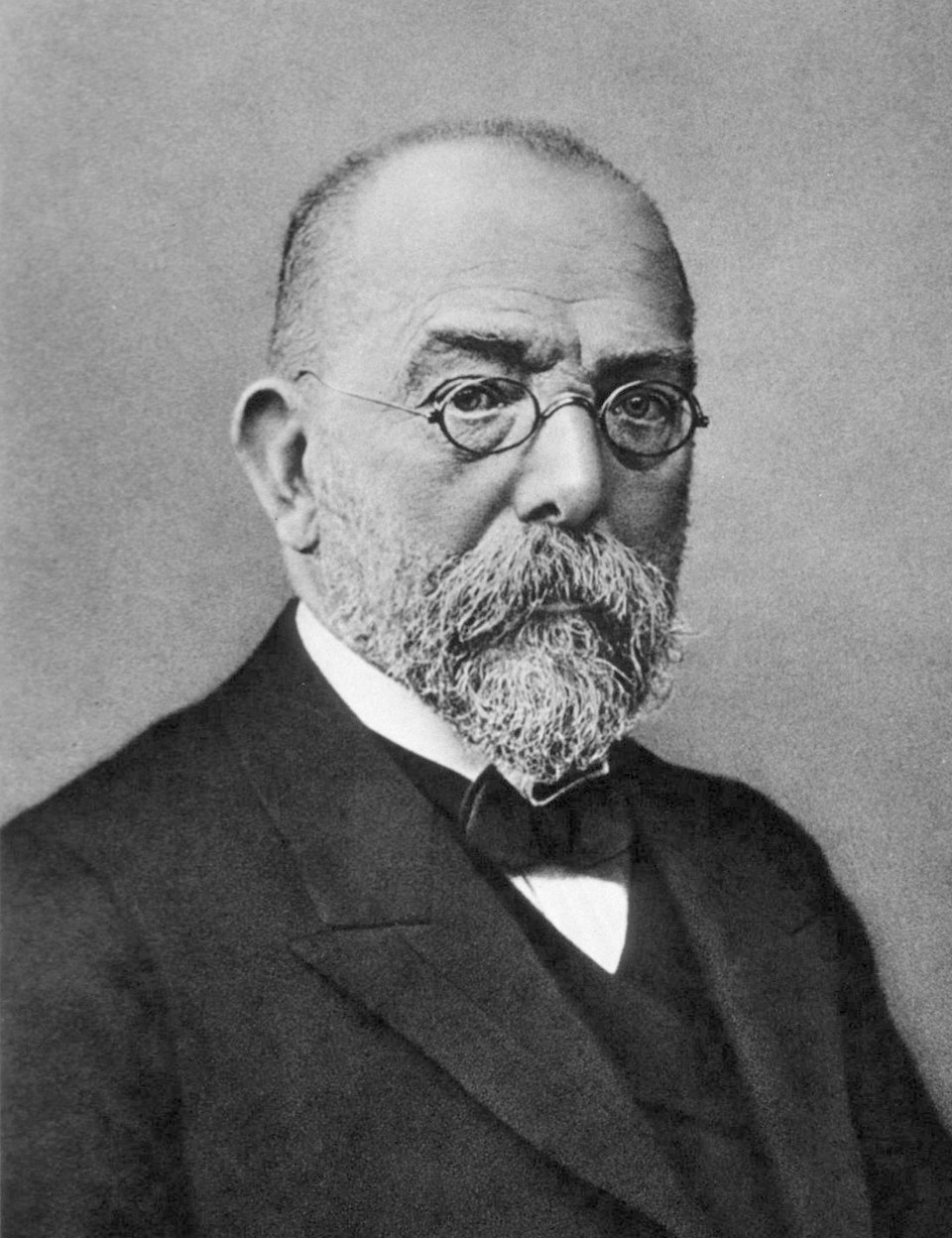
Key people
- Robert Koch
- Berlin bacteriologist who isolated M. tuberculosis, cultured it, and fulfilled his own postulates
- Paul Ehrlich
- Scientist present at Koch's 1882 announcement who refined the tubercle bacillus staining method
- Selman Waksman
- Led the laboratory where Albert Schatz isolated streptomycin in 1943, the first antibiotic effective against tuberculosis
Source
In 1882 tuberculosis killed about one in seven people in Europe and the United States. Consumption, as it was called in its pulmonary form, was widely thought to have a hereditary or constitutional component, and the idea that it might have a single specific microbial cause was not widely accepted before 1882. Other investigators, among them Edwin Klebs, had looked for a causative organism without convincing results, partly because mycobacteria take up ordinary histological stains poorly and are difficult to grow in culture.
Robert Koch had moved in 1880 from a country post as district medical officer in Wollstein to the Imperial Health Bureau in Berlin. He had already developed new techniques for bacterial staining, pure culture on solid media, and the documentation of microbial causation later summarized as Koch's postulates. Tuberculosis required a new approach to staining: Koch treated his tissue sections with alkaline methylene blue and found that the bacilli took up the dye against a brown counterstain. The rods he saw in diseased tissue from lungs, lymph nodes, and meninges of both human and animal cases looked the same.
He cultured the organism on coagulated blood serum, a slow process requiring weeks of incubation at a steady temperature, and obtained pure growth. Inoculating that pure culture into guinea pigs reproduced the disease. Recovering the same organism from the experimentally infected animals completed the chain of evidence. Koch announced these results to the Berlin Physiological Society on March 24, 1882, and published "Die Aetiologie der Tuberculose" three weeks later. Paul Ehrlich, present in the audience, improved the staining method that year and showed that the bacillus was acid-fast.
Koch's postulates, as usually taught, require isolation of the suspected agent, pure culture, reproduction of disease in a susceptible host, and recovery of the agent again; they gave bacteriology an evidentiary standard it had lacked. Within a decade, the same methods were used to identify the causative agents of cholera (Koch's own expedition to Egypt, 1883), typhoid, diphtheria, and tetanus. Molecular versions of the postulates were later devised for organisms that cannot be cultured.
For tuberculosis itself, the discovery did not immediately produce a treatment. Koch's 1890 announcement of tuberculin as a remedy proved premature and damaged his reputation; the preparation became useful as a diagnostic skin test but did not cure. Effective drug treatment followed the isolation of streptomycin in 1943 by Albert Schatz in Selman Waksman's laboratory, 61 years after the bacillus was identified. Koch received the Nobel Prize in Physiology or Medicine in 1905 for his work on tuberculosis.
Keep exploring
 Read next · led to
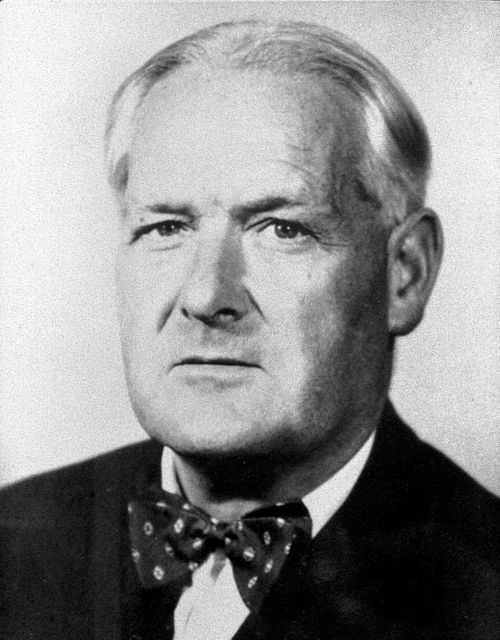
MRC Streptomycin Trial for Pulmonary Tuberculosis (1948)
Koch found the cause of tuberculosis, but effective treatment came only with streptomycin, 61 years later. The MRC trial shows streptomycin tested with sealed envelopes and random allocation.
Read this moment
Read next · led to
MRC Streptomycin Trial for Pulmonary Tuberculosis (1948)
Koch found the cause of tuberculosis, but effective treatment came only with streptomycin, 61 years later. The MRC trial shows streptomycin tested with sealed envelopes and random allocation.
Read this moment
 Today on The Clinical Times
Florida dengue outbreak appears to be largest in continental U.S. in decades
Florida has reported more than 250 locally acquired dengue cases this year, with most in Hillsborough County, according to state health officials.
Read today’s top stories
Today on The Clinical Times
Florida dengue outbreak appears to be largest in continental U.S. in decades
Florida has reported more than 250 locally acquired dengue cases this year, with most in Hillsborough County, according to state health officials.
Read today’s top stories
All 526 moments in the history of medicine. This one is in chapter 4, Germs, numbers and clean water
Connected moments
How this moment links to others in the history of medicine, and what you will find in each.
-
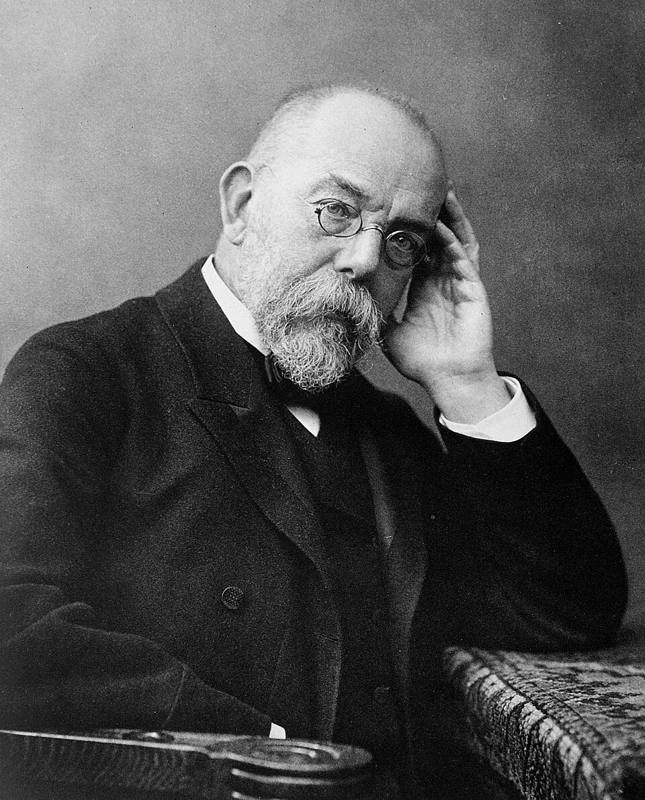 Built on1876Koch and the anthrax bacillusKoch had already built his methods of staining and pure culture in his country practice while working on anthrax. That story shows the four room flat where he proved a microbe caused anthrax.Read this moment
-
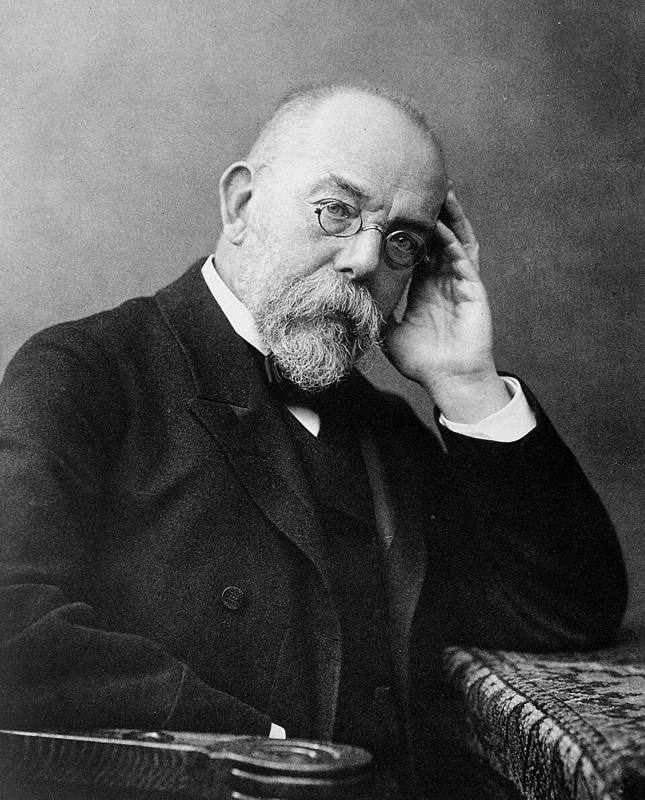 Same person1883Koch's identification of the cholera bacillusA year after tuberculosis Koch took the same methods to Egypt and found the cholera bacillus. That story shows the comma shaped germ also found in Calcutta and rules for controlling cholera.Read this moment
-
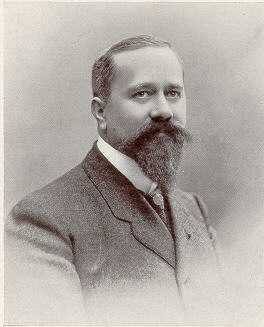 Same disease or problem1921Calmette and Guérin's BCG vaccineKoch found the tubercle bacillus, and Calmette and Guérin tamed a related strain into a vaccine. Their story shows 13 years of subculture and the first human BCG vaccination in 1921.Read this moment