Surgery & Anesthesia
1867
Lister's antiseptic surgery
Lister dressed wounds with carbolic acid to kill the microbes Pasteur had described. He later reported that deaths after amputation on his Glasgow wards fell from about 45 percent to 15 percent.
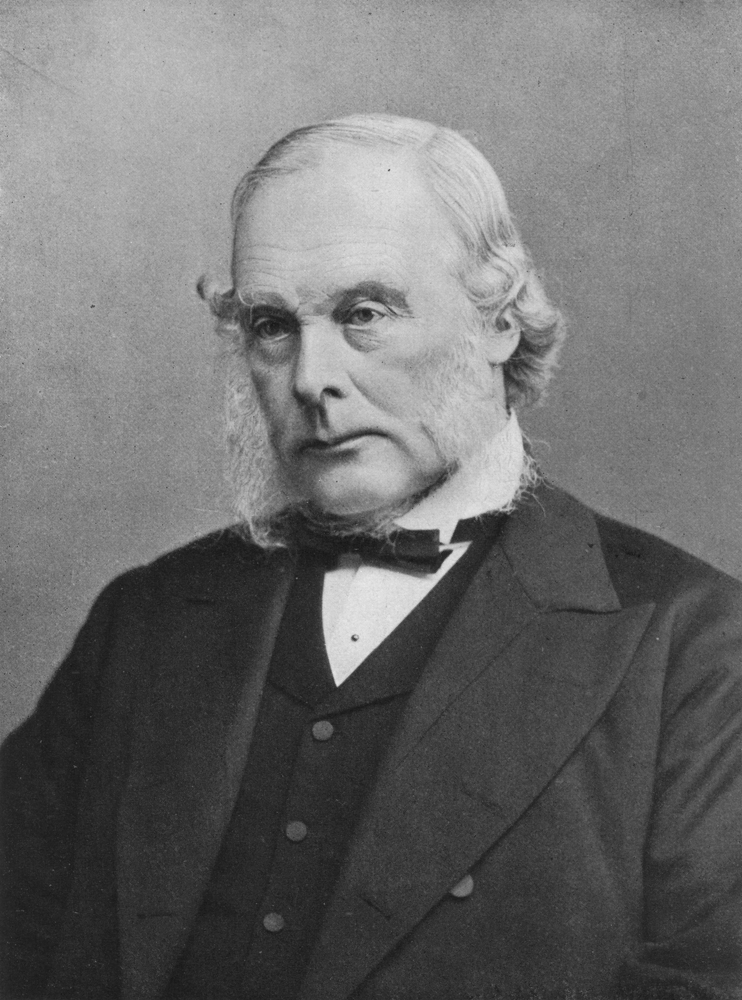
Key people
- Joseph Lister
- Glasgow surgeon who introduced carbolic acid wound dressings in 1865 and published his cases in 1867
- Louis Pasteur
- Provided the germ theory framework that Lister applied to surgical infection
- Ernst von Bergmann
- German surgeon who, with Carl Schimmelbusch, introduced steam sterilization and aseptic technique in the 1880s
Source
In the 1860s, surviving surgery did not guarantee surviving the hospital. Postoperative wound infections, particularly the complex of conditions then called hospital gangrene, erysipelas, and pyemia, killed a large share of patients who came through the operation itself. At some hospitals, amputation mortality exceeded 40 percent, and the deaths were blamed on bad air, overcrowding, or an ill-defined entity called "hospitalism." Surgeons washed their hands between patients, if at all, and operated in street clothes. The idea that microorganisms caused these deaths had no traction in most operating rooms.
In 1865 the Glasgow chemistry professor Thomas Anderson pointed Joseph Lister, a surgeon at Glasgow Royal Infirmary, to Pasteur's work on germs in the air. Lister reasoned that if airborne microorganisms caused putrefaction, destroying them before they reached a wound should prevent the infection that followed. He chose carbolic acid, which had been used to treat sewage in Carlisle, and Anderson supplied a crude form of it. Beginning in 1865, Lister packed the wounds of compound fractures with lint soaked in the acid, at first undiluted; these injuries then carried very high infection rates because the skin was broken and bone was exposed.
His 1867 Lancet series described eleven compound fractures treated this way: nine patients recovered, one died of hospital gangrene, and one needed an amputation. Later in 1867 he reported that for nine months no case of pyemia, hospital gangrene or erysipelas had occurred on his wards. In a later report he put deaths after amputation on his wards at about 45 percent before the antiseptic method and about 15 percent after it.
Adoption was neither immediate nor uniform. Critics complained that the method kept changing, from crude carbolic acid to carbolized oil, carbolic putty, watery solutions and plasters, and results in other hands were inconsistent. Some prominent surgeons rejected germ theory outright; in New York, Dr. Gouley of Bellevue Hospital denounced the method as nonsense. In 1876 Lister traveled to Philadelphia for the International Medical Congress, where he was president of the surgical section; until then antiseptic surgery had made little impression on American surgeons.
Lister moved to Edinburgh in 1870 and used a carbolic spray during operations and dressings from then until 1887. In Germany, Ernst von Bergmann and Carl Schimmelbusch replaced carbolic acid with mercury bichloride in 1880 and adopted steam sterilization of dressings in 1886, the basis of aseptic surgery. Lister was made a baronet in 1881, and in 1897 he became the first British surgeon raised to the peerage.
Keep exploring
 Read next · built on
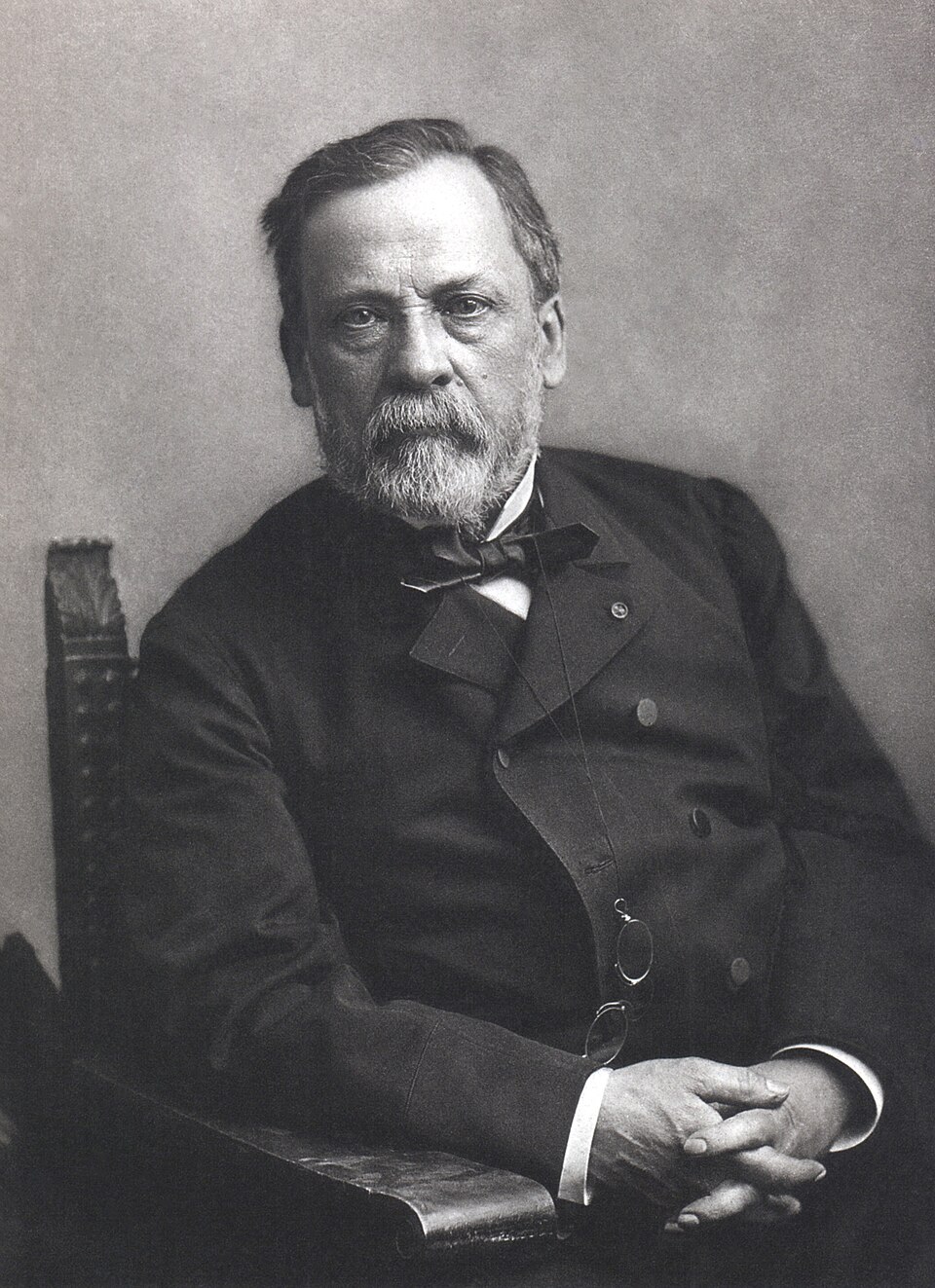
Pasteur's refutation of spontaneous generation (1861)
Lister built antiseptic surgery on Pasteur's proof that microbes come from other microbes carried in the air. Pasteur's story shows the swan neck flasks whose broth is still clear more than 150 years later.
Read this moment
Read next · built on
Pasteur's refutation of spontaneous generation (1861)
Lister built antiseptic surgery on Pasteur's proof that microbes come from other microbes carried in the air. Pasteur's story shows the swan neck flasks whose broth is still clear more than 150 years later.
Read this moment
 Today on The Clinical Times
Florida dengue outbreak appears to be largest in continental U.S. in decades
Florida has reported more than 250 locally acquired dengue cases this year, with most in Hillsborough County, according to state health officials.
Read today’s top stories
Today on The Clinical Times
Florida dengue outbreak appears to be largest in continental U.S. in decades
Florida has reported more than 250 locally acquired dengue cases this year, with most in Hillsborough County, according to state health officials.
Read today’s top stories
All 526 moments in the history of medicine. This one is in chapter 4, Germs, numbers and clean water
Connected moments
How this moment links to others in the history of medicine, and what you will find in each.
-
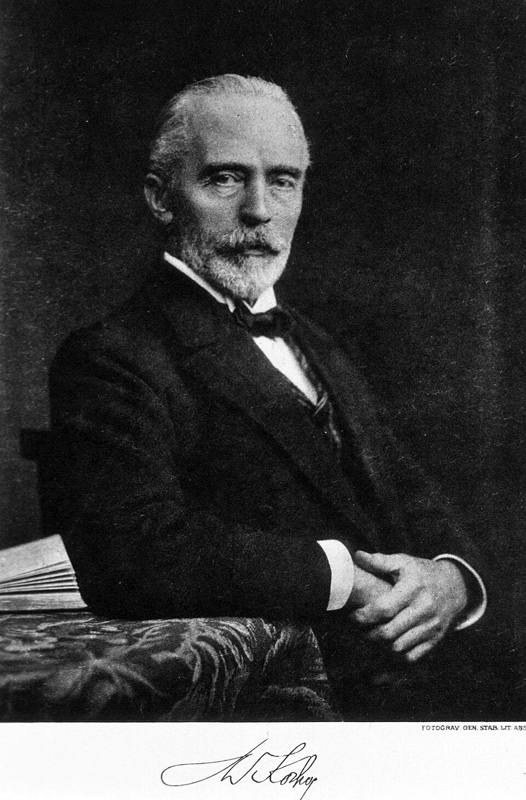 Led to1883Kocher's thyroid surgeryBefore antisepsis patients often died of thyroid operations, and Kocher made removal of the gland safe. His story shows the wasting that followed removing the whole thyroid, and a Nobel Prize for his careful technique.Read this moment
-
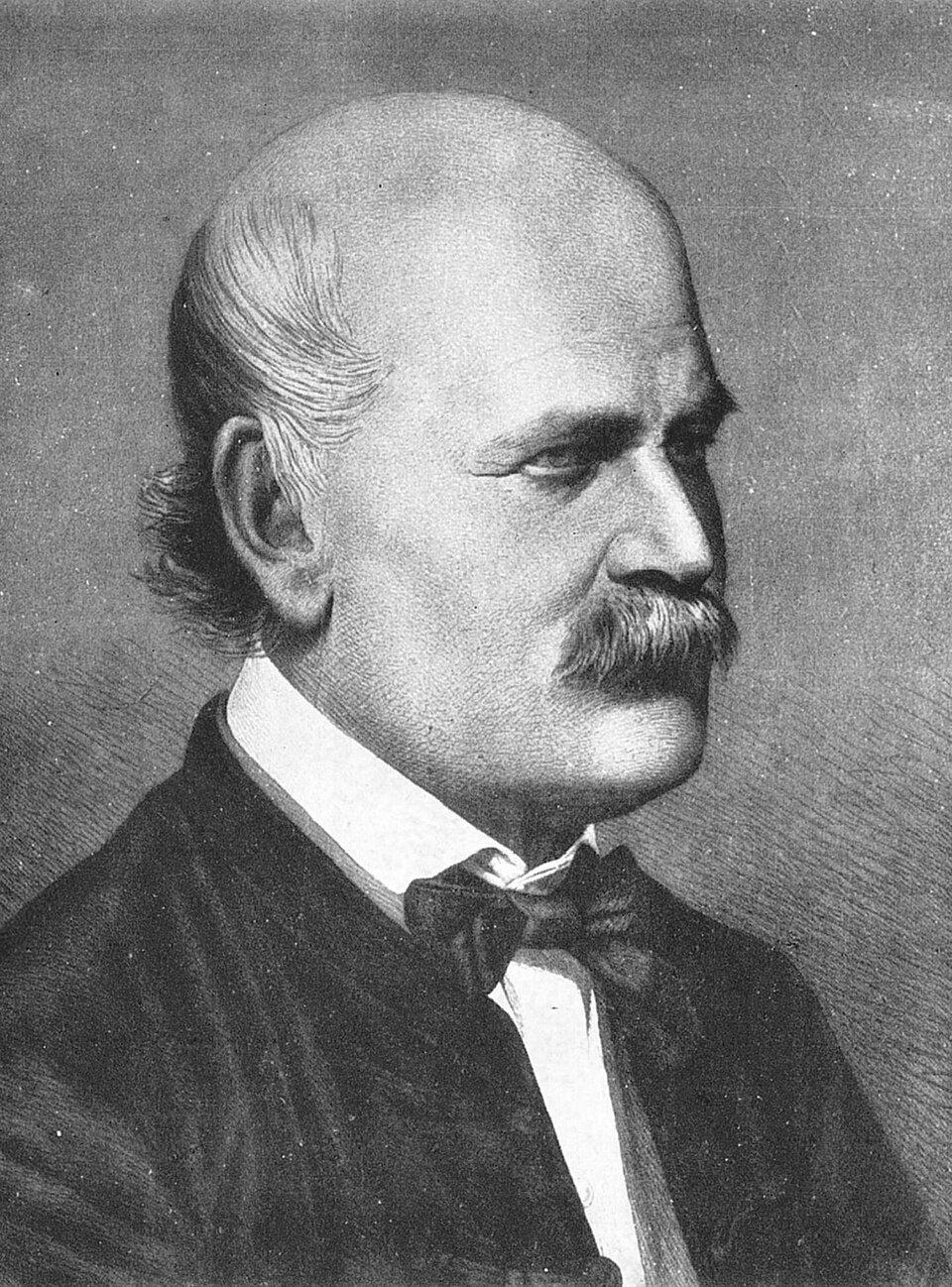 Same disease or problem1847Hand washing prevents childbed feverSemmelweis cut childbed deaths with hand washing twenty years before Lister, but won recognition only after antiseptic surgery. His story shows one Vienna ward's deaths falling from 18 percent to about 2.Read this moment
-
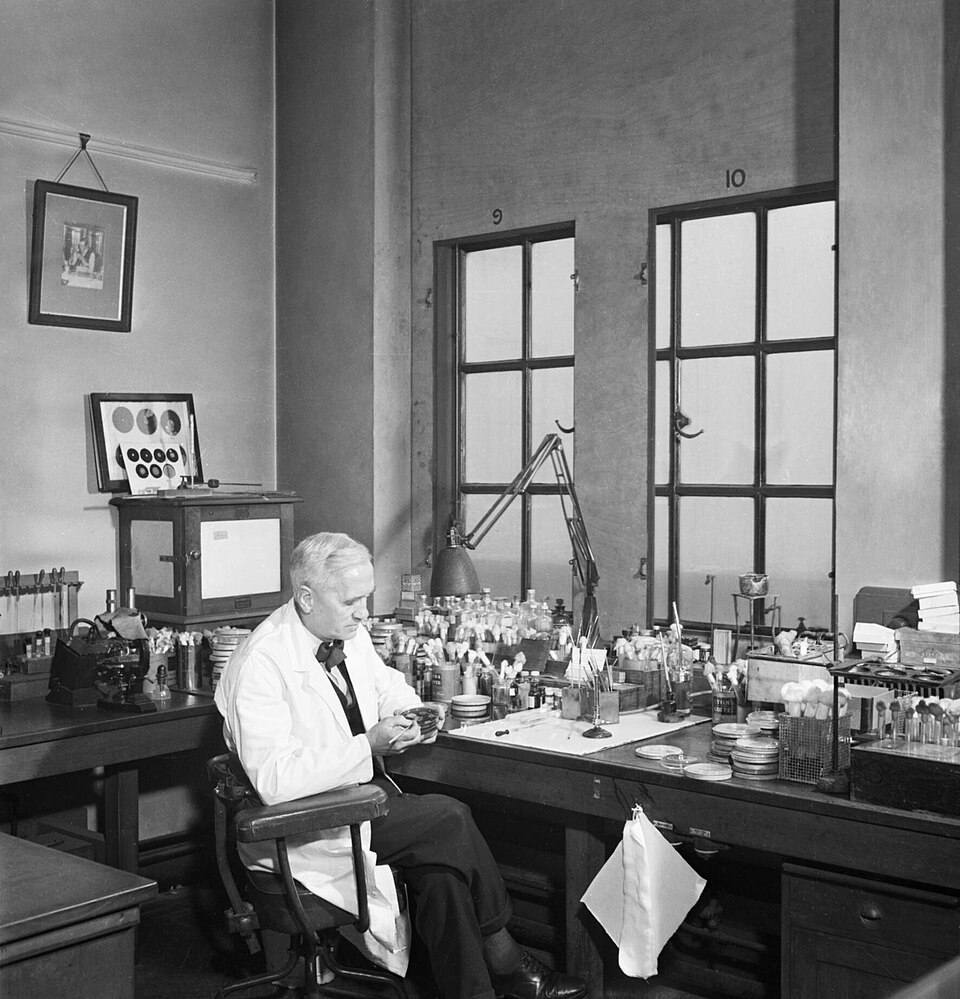 Same disease or problem1928Fleming's discovery of penicillinLister fought wound infection with carbolic acid, and before penicillin antiseptic wound care was still one of the few tools. Fleming's story shows the stray mould on a laboratory plate that led to penicillin.Read this moment