Infectious Disease
1960
Sabin Oral Live-Attenuated Polio Vaccine
Sabin's live oral vaccine produced gut immunity that blocked person-to-person spread, was cheap and needed no needle, and became the main tool the WHO used to push wild poliovirus close to extinction.
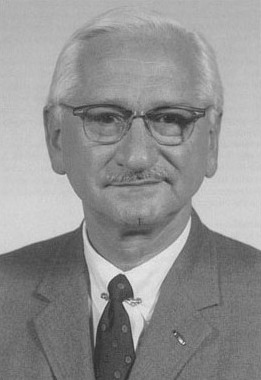
Key people
- Albert Sabin
- Virologist who developed and tested the live oral polio vaccine
- Jonas Salk
- Developed the competing killed-virus injectable vaccine in 1955
- Mikhail Chumakov
- Soviet virologist who organized the mass OPV trials in the USSR.
- Anatoly Smorodintsev
- Soviet virologist who co-directed large-scale OPV field testing in the Soviet Union.
Source
Jonas Salk's killed-virus injectable vaccine, licensed in 1955, halted the worst of the annual American polio epidemics but left an immunological problem unresolved. The inactivated vaccine induced circulating antibody that prevented paralytic disease, but it did not produce strong immunity in the gastrointestinal tract, which is where wild poliovirus replicates and from which it spreads person to person through fecal-oral transmission. Albert Sabin, a virologist in Cincinnati, set out in the early 1950s to make a live vaccine, after John Enders' group showed that serial passage in tissue culture weakened a virulent strain. He tested single virus particles in monkeys and kept those that infected the gut but no longer caused paralysis; selecting the strains took two and a half years and about 9,000 monkeys and 150 chimpanzees.
The rivalry between Salk and Sabin was sharp, and in the late 1950s the National Foundation's leaders, Basil O'Connor and Thomas Rivers, concluded that the Salk vaccine's success made a live vaccine unnecessary. From 1956 Sabin worked with virologists in the Soviet Union, where polio epidemics were becoming a serious problem. Mikhail Chumakov, Marina Voroshilova and Anatoly Smorodintsev made vaccine from Sabin's seed strains and used it on a growing scale: by 1959 close to 15 million Soviet children had received it, and by mid-1960 about 100 million people in the Soviet Union, Czechoslovakia and East Germany. Paralytic cases dropped sharply, and the vaccine proved safe even for unvaccinated contacts, which helped win its acceptance in the United States.
The United States licensed Sabin's strains in 1961 and 1962, and many cities held "Sabin Sundays" to vaccinate whole communities. The practical advantages over the injectable vaccine were considerable. No needle was required, so campaigns could be run without medical personnel for each administration. A sugar cube or a few drops on the tongue sufficed. Vaccinated children shed attenuated virus into their communities, extending indirect protection to unvaccinated contacts, a form of herd effect that the inactivated vaccine did not provide. The cost was a fraction of the Salk preparation, which made OPV the practical default for low-income countries.
The WHO launched its Global Polio Eradication Initiative in 1988 using OPV as the primary tool, deploying it in mass National Immunization Days in endemic regions. The strategy succeeded in eliminating wild poliovirus from most of the world: type 2 was certified eradicated in 2015, type 3 in 2019. Wild type 1 now circulates only in Afghanistan and Pakistan.
The vaccine created its own clinical problem. When the attenuated strains circulate for a long time in under-vaccinated populations, they can revert genetically, regain neurovirulence and cause outbreaks of vaccine-derived poliovirus. After wild type 2 was eradicated, countries switched in April 2016 from trivalent OPV to a bivalent vaccine without type 2, and the strategy has shifted toward inactivated vaccine for routine immunization in higher-income settings. Outbreaks of vaccine-derived type 2 virus followed the switch, and a more genetically stable novel oral vaccine, nOPV2, was developed to fight them.
Keep exploring
 Read next · built on
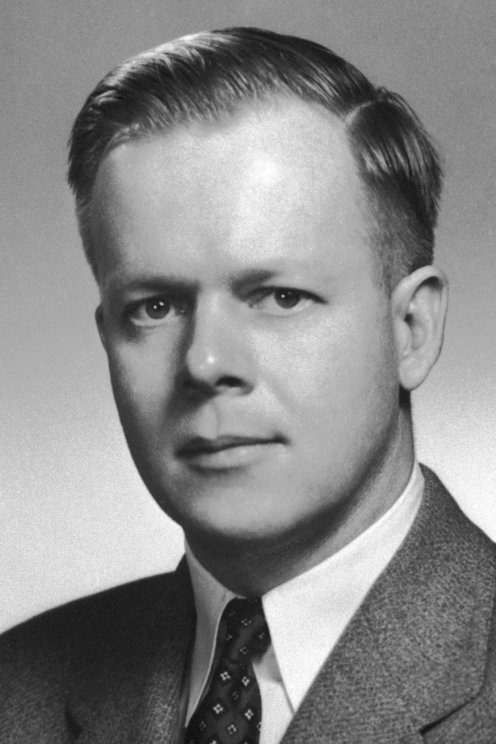
Growing poliovirus in tissue culture (1949)
Sabin began his live vaccine after Enders' group showed that passage in tissue culture weakened a virulent strain. The Enders entry shows how growing poliovirus outside nerve tissue made the polio vaccines possible.
Read this moment
Read next · built on
Growing poliovirus in tissue culture (1949)
Sabin began his live vaccine after Enders' group showed that passage in tissue culture weakened a virulent strain. The Enders entry shows how growing poliovirus outside nerve tissue made the polio vaccines possible.
Read this moment
 Today on The Clinical Times
Florida dengue outbreak appears to be largest in continental U.S. in decades
Florida has reported more than 250 locally acquired dengue cases this year, with most in Hillsborough County, according to state health officials.
Read today’s top stories
Today on The Clinical Times
Florida dengue outbreak appears to be largest in continental U.S. in decades
Florida has reported more than 250 locally acquired dengue cases this year, with most in Hillsborough County, according to state health officials.
Read today’s top stories
All 526 moments in the history of medicine. This one is in chapter 6, Trials, scanners and rights
Connected moments
How this moment links to others in the history of medicine, and what you will find in each.
-
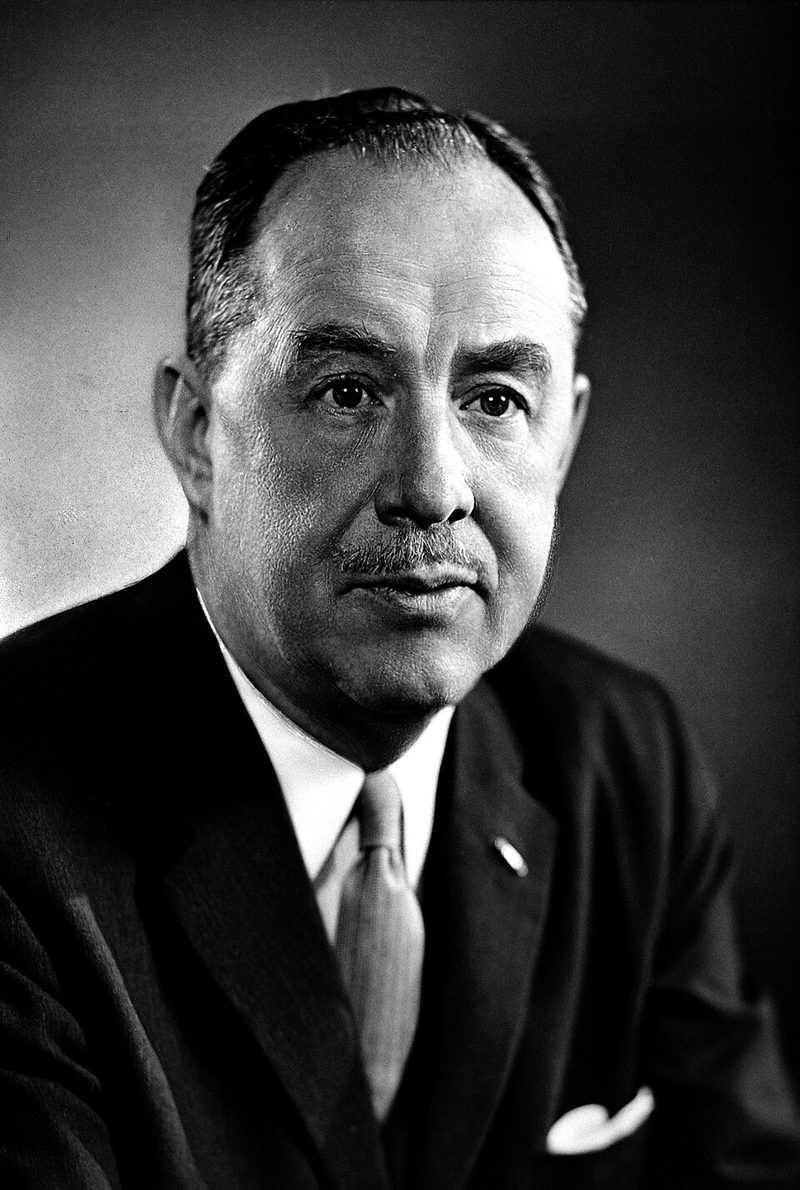 Same disease or problem1955Salk Inactivated Polio Vaccine Field Trial (Francis Report)Salk's injected killed vaccine and Sabin's oral live vaccine were rival answers to polio. The Salk entry shows the 1954 trial in 1.8 million children and the day the vaccine was licensed.Read this moment
-
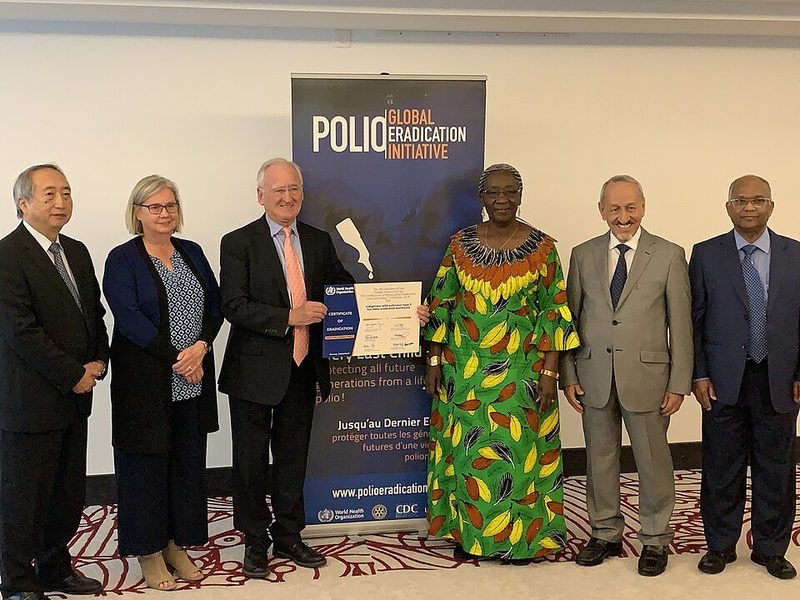 Led to2019Eradication of wild poliovirus type 3Sabin's oral vaccine was the main tool of the global campaign that wiped out wild poliovirus type 3. That entry shows cases falling from 350,000 in 1988 to 176 in 2019.Read this moment