Genetics & Molecular
2023
Exagamglogene Autotemcel (Casgevy): First Approved CRISPR-Based Therapy
First CRISPR gene-editing therapy to win regulatory approval. UK MHRA cleared it in November 2023, the US FDA that December, for sickle cell disease and transfusion-dependent beta-thalassemia by editing BCL11A to raise fetal hemoglobin.
Key people
- Haydar Frangoul
- Lead clinical investigator, Children's Hospital at TriStar Centennial
- Jennifer Doudna
- Co-developer of CRISPR-Cas9 gene editing, 2020 Nobel laureate
- Emmanuelle Charpentier
- Co-developer of CRISPR-Cas9 gene editing, 2020 Nobel laureate
- Samarth Kulkarni
- CEO of CRISPR Therapeutics, exa-cel co-development partner
Source
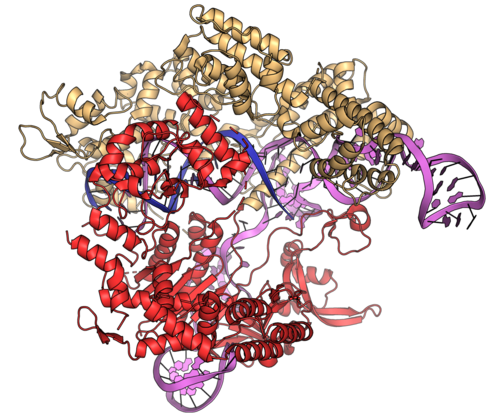
When Jennifer Doudna and Emmanuelle Charpentier published their 2012 paper describing programmable CRISPR-Cas9 DNA cutting, clinicians working in hemoglobinopathies recognized almost immediately what it might mean for sickle cell disease and beta-thalassemia. Both conditions result from well-defined mutations in a single gene, and both had a known molecular rescue: fetal hemoglobin, which the body normally silences after birth through a transcriptional repressor called BCL11A. If BCL11A could be disrupted in hematopoietic stem cells, HbF would re-emerge and compensate for the defective adult hemoglobin. The question was whether CRISPR editing could accomplish that in patient-derived stem cells precisely enough to be safe, and durably enough to be therapeutic.
Vertex Pharmaceuticals and CRISPR Therapeutics developed exagamglogene autotemcel (exa-cel), marketed as Casgevy. The approach requires collecting the patient's own hematopoietic stem and progenitor cells, editing the BCL11A enhancer ex vivo using CRISPR-Cas9, and reinfusing the cells after myeloablative conditioning. In the registration trials, 29 of 30 evaluable sickle cell patients were free of severe vaso-occlusive crises for at least 12 months after infusion, and 32 of 35 evaluable transfusion-dependent thalassemia patients went at least 12 months without needing a red cell transfusion. Haydar Frangoul at Children's Hospital at TriStar Centennial in Nashville was the lead clinical investigator on the sickle cell trial data.
The UK's Medicines and Healthcare products Regulatory Agency cleared Casgevy on November 16, 2023, the first regulatory body in the world to approve a CRISPR-based therapy. The FDA followed on December 8, 2023, for sickle cell disease; the thalassemia indication was approved separately on January 16, 2024. Eleven years separated the Doudna-Charpentier 2012 paper from the first of those approvals, a comparatively short arc from fundamental biochemistry to licensed medicine. A second gene therapy, lovotibeglogene autotemcel (Lyfgenia, using a lentiviral vector rather than CRISPR), received simultaneous FDA approval for sickle cell disease.
The single-course treatment listed at $2.2 million in the United States, a price that reflected the complexity of individualized manufacturing but generated immediate tension around equity. Sickle cell disease disproportionately affects patients from sub-Saharan Africa, South Asia, and the African-American community, populations with historically inconsistent access to even standard-of-care hydroxyurea. Vertex and CRISPR Therapeutics began negotiating outcomes-based agreements with payers as a model for cost amortization. Access in lower-income countries, where the burden of hemoglobinopathies is greatest, remained almost entirely unresolved at the time of approval.
Keep exploring
 Read next · same disease or problem
Sickle cell anemia as a molecular disease (1949)
Pauling's team traced sickle cell to an abnormal hemoglobin, and Casgevy raised fetal hemoglobin to make up for it. The 1949 entry shows the first disease tied to a faulty protein.
Read this moment
Read next · same disease or problem
Sickle cell anemia as a molecular disease (1949)
Pauling's team traced sickle cell to an abnormal hemoglobin, and Casgevy raised fetal hemoglobin to make up for it. The 1949 entry shows the first disease tied to a faulty protein.
Read this moment
 Today on The Clinical Times
Florida dengue outbreak appears to be largest in continental U.S. in decades
Florida has reported more than 250 locally acquired dengue cases this year, with most in Hillsborough County, according to state health officials.
Read today’s top stories
Today on The Clinical Times
Florida dengue outbreak appears to be largest in continental U.S. in decades
Florida has reported more than 250 locally acquired dengue cases this year, with most in Hillsborough County, according to state health officials.
Read today’s top stories
All 526 moments in the history of medicine. This one is in chapter 7, Genes and pandemics
Connected moments
How this moment links to others in the history of medicine, and what you will find in each.
-
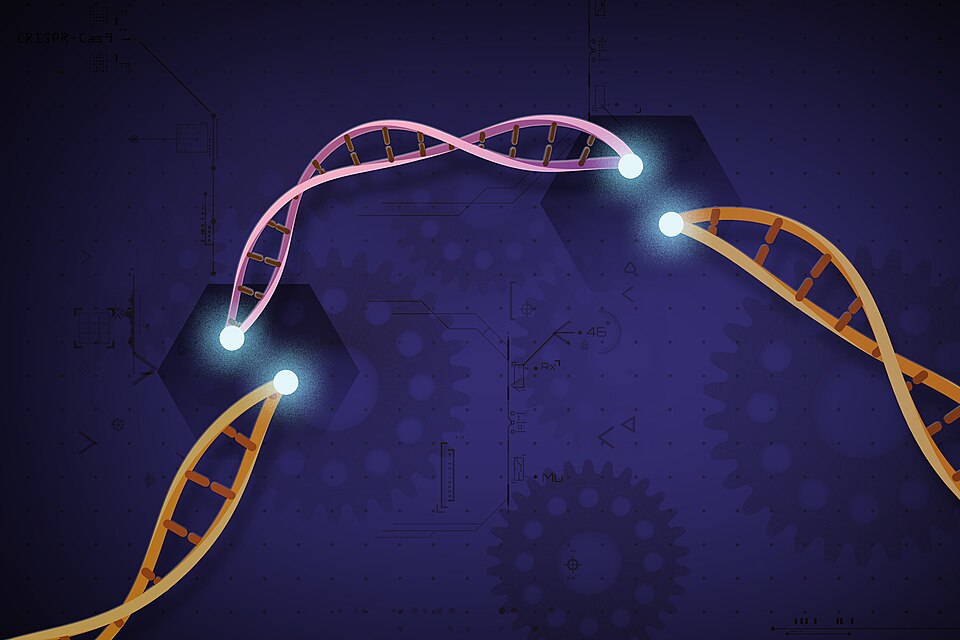 Built on2012CRISPR-Cas9 Programmable Genome EditingCasgevy used the CRISPR-Cas9 editing that Doudna and Charpentier described in 2012, eleven years before its approval. The CRISPR entry shows a guide RNA directing Cas9 to cut any chosen DNA.Read this moment
-
 Same disease or problem1975Allogeneic bone marrow (hematopoietic stem cell) transplantation as curative therapy (Thomas)Casgevy clears the marrow and reinfuses blood-forming stem cells as marrow transplants do, but uses the patient's own edited cells. The Seattle entry shows how transplants of blood-forming cells were made to work.Read this moment
-
 Same disease or problem1990First Approved Human Gene Therapy (ADA-SCID, Ashanthi DeSilva)Both modified a patient's own blood cells outside the body and gave them back, adding a gene in 1990 and editing one in 2023. The ADA entry shows the first authorized gene therapy trial.Read this moment