Surgery & Anesthesia
2009
WHO Surgical Safety Checklist
In eight hospitals in high-, middle- and low-income countries, introducing a 19-item checklist run at three surgical pause points was followed by a fall in inpatient deaths from 1.5% to 0.8% and in complications from 11% to 7%, and checklists spread rapidly worldwide.
Key people
- Atul Gawande
- Senior author; led WHO's Safe Surgery Saves Lives program
- Alex Haynes
- First author of the 2009 report
- William Berry
- Co-author of the 2009 report
- Thomas Weiser
- Co-author of the 2009 report
Source
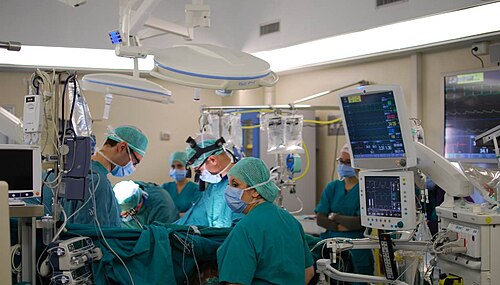
An estimated 234 million operations were performed worldwide each year, and surgical complications were common and often preventable. The aviation industry had demonstrated that structured checklists reduced error rates in complex, high-stakes procedural environments, but medicine had largely not adopted the principle for the operating room. Communication failures between surgeons, anesthesiologists, and nurses before and during surgery were a recurrent theme in adverse event reviews.
Atul Gawande, a surgeon at Brigham and Women's Hospital working with the WHO Patient Safety Programme, led the development and testing of a 19-item checklist structured around three pause points: a sign-in before the administration of anesthesia, a time-out before skin incision, and a sign-out before the patient left the operating room. Each pause point had a defined set of items covering identity confirmation, allergy review, equipment checks, antibiotic prophylaxis, and communication of anticipated critical events. Alex Haynes was first author of the report, with Thomas Weiser and William Berry among the co-authors and Gawande as senior author.
The pilot was run at eight hospitals across eight countries chosen to cover a range of resource levels, including facilities in Tanzania, the Philippines, India, and Jordan alongside high-income settings in the United States, Canada, England, and New Zealand. In patients undergoing non-cardiac surgery, inpatient complications fell from 11.0% to 7.0% and in-hospital death fell from 1.5% to 0.8% after the checklist was introduced. The hospitals were in Toronto, New Delhi, Amman, Auckland, Manila, Ifakara, London and Seattle, and the study compared 3,733 patients operated on before the checklist with 3,955 afterward, between October 2007 and September 2008.
The trial used a before-after design at each site rather than randomizing individual patients or operating rooms, which was its principal methodological limitation. The design could not rule out secular trends, a Hawthorne effect or other confounders, since each site was compared only with its own earlier patients. Checklists were nevertheless adopted rapidly around the world on the strength of this and other observational studies. The paper appeared in the New England Journal of Medicine in January 2009.
The first large test of routine use came from Ontario, where a provincial policy encouraged every hospital to adopt a checklist. A study of 101 hospitals, comparing 109,341 procedures before adoption with 106,370 after, found no significant change: operative mortality went from 0.71% to 0.65% and complications from 3.86% to 3.82%. The authors, writing in 2014, concluded that checklist implementation in Ontario had not been followed by the gains seen in the pilot. Researchers have since focused on whether surgical teams use the pause points to talk to each other or simply tick the boxes.
Keep exploring
 Read next · same disease or problem
Lister's antiseptic surgery (1867)
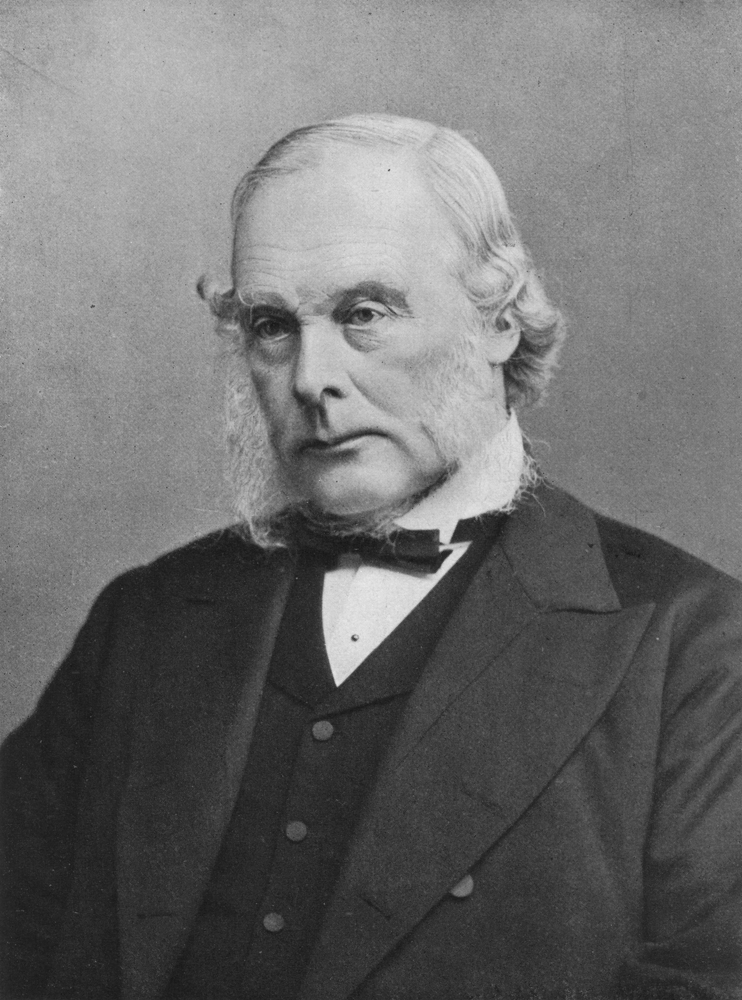
Both aimed to prevent harm around an operation, and the checklist's items included antibiotic prophylaxis against infection. Lister's entry shows carbolic acid cutting deaths after amputation from 45 to 15 percent.
Read this moment
Read next · same disease or problem
Lister's antiseptic surgery (1867)
Both aimed to prevent harm around an operation, and the checklist's items included antibiotic prophylaxis against infection. Lister's entry shows carbolic acid cutting deaths after amputation from 45 to 15 percent.
Read this moment
 Today on The Clinical Times
Florida dengue outbreak appears to be largest in continental U.S. in decades
Florida has reported more than 250 locally acquired dengue cases this year, with most in Hillsborough County, according to state health officials.
Read today’s top stories
Today on The Clinical Times
Florida dengue outbreak appears to be largest in continental U.S. in decades
Florida has reported more than 250 locally acquired dengue cases this year, with most in Hillsborough County, according to state health officials.
Read today’s top stories
All 526 moments in the history of medicine. This one is in chapter 7, Genes and pandemics
Connected moments
How this moment links to others in the history of medicine, and what you will find in each.
- Built on1999To Err Is HumanTo Err Is Human argued that safety must be built into processes of care, and the checklist applied that to the operating room. The 1999 entry shows medical errors estimated to kill up to 98,000 Americans a year.Read this moment
-
 Same disease or problem1966National Halothane StudyBoth compared surgical outcomes across hospitals, and both faced the limits of observational evidence. The halothane entry shows 800,000 anesthetics pooled and death rates varying among hospitals.Read this moment