Cardiology
1988
ISIS-2 (Second International Study of Infarct Survival)
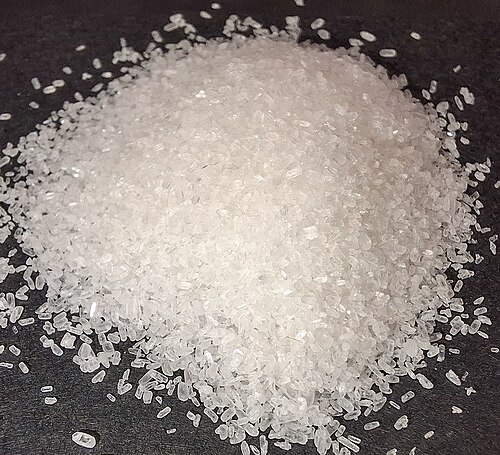
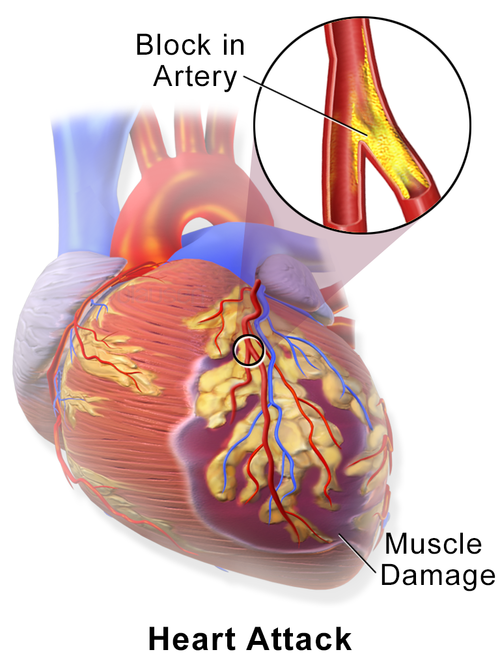
Aspirin alone cut vascular death by about a quarter after acute MI, matching streptokinase, and the two combined reduced deaths by roughly 40 percent. This put aspirin into routine MI care and launched wide antiplatelet use.
Key people
- Rory Collins
- Oxford epidemiologist and ISIS-2 principal investigator
- Richard Peto
- Oxford statistician and co-principal investigator who designed the ISIS trials
- Peter Sleight
- Oxford cardiologist who co-led ISIS-2 clinical operations
- Salim Yusuf
- Cardiologist and trialist who contributed to the ISIS data infrastructure and analysis
Source
Through most of the 1980s, the treatment of acute MI was in active transformation. Streptokinase had been shown to reduce mortality, but thrombolysis required intravenous infusion in a monitored setting. Aspirin had been used empirically in coronary patients for years, and some smaller trials suggested a benefit in secondary prevention, but no large trial had directly tested whether aspirin given acutely at the time of MI reduced short-term mortality. The question had practical importance: aspirin was cheap, widely available, and could be administered anywhere, including ambulances and primary care offices.
ISIS-2 was designed by Rory Collins and Richard Peto at the University of Oxford, who had already led the first ISIS trial of intravenous atenolol in MI. The second trial used a two-by-two factorial design, enrolling 17,187 patients with suspected acute MI at 417 hospitals, up to 24 hours (median 5 hours) after the onset of symptoms. With placebo controls, patients were randomized to a one-hour intravenous infusion of 1.5 million units of streptokinase, enteric-coated aspirin 160 mg daily for one month, both, or neither. The factorial structure allowed the investigators to test both interventions simultaneously in a single trial without requiring a doubled sample size. Peter Sleight at Oxford co-led clinical operations.
The results, published in the Lancet in 1988, were clear on all four arms. Aspirin alone reduced the odds of vascular death at five weeks by 23 percent (9.4 percent against 11.8 percent), and streptokinase alone by 25 percent (9.2 against 12.0 percent). Given together, they cut the odds by 42 percent (8.0 against 13.2 percent), and their effects appeared to be additive. Aspirin also halved nonfatal reinfarction (1.0 against 2.0 percent) without a significant increase in cerebral hemorrhage or bleeds needing transfusion.
Before ISIS-2, most cardiologists knew aspirin was used after MI, but this empirical practice lacked the support of a mortality endpoint in a large trial. ISIS-2 settled the question with a mortality endpoint in a large trial, and a cheap, widely available drug entered guidelines for acute MI. Aspirin became part of routine early treatment of suspected MI. The benefit held even for patients treated 13 to 24 hours after the onset of pain.
ISIS-2 also contributed to the methodology of large, simple cardiovascular trials. The factorial design, wide eligibility criteria and a mortality endpoint, not a surrogate measure, were deliberate choices by Collins and Peto that set the ISIS trials apart from smaller, more selected studies. The trial helped establish antiplatelet therapy across the spectrum of acute coronary syndromes; subsequent trials of clopidogrel and other agents were built on the platform of aspirin as a universal background therapy that ISIS-2 had established.
Keep exploring
 Read next · built on
GISSI-1 (Effectiveness of intravenous thrombolytic treatment in acute myocardial infarction) (1986)
GISSI-1 had shown streptokinase cuts heart attack deaths, and ISIS-2 confirmed it and added aspirin. The GISSI-1 entry shows 11,806 Italian patients and the benefit of treating within three hours.
Read this moment
Read next · built on
GISSI-1 (Effectiveness of intravenous thrombolytic treatment in acute myocardial infarction) (1986)
GISSI-1 had shown streptokinase cuts heart attack deaths, and ISIS-2 confirmed it and added aspirin. The GISSI-1 entry shows 11,806 Italian patients and the benefit of treating within three hours.
Read this moment
 Today on The Clinical Times
Florida dengue outbreak appears to be largest in continental U.S. in decades
Florida has reported more than 250 locally acquired dengue cases this year, with most in Hillsborough County, according to state health officials.
Read today’s top stories
Today on The Clinical Times
Florida dengue outbreak appears to be largest in continental U.S. in decades
Florida has reported more than 250 locally acquired dengue cases this year, with most in Hillsborough County, according to state health officials.
Read today’s top stories
All 526 moments in the history of medicine. This one is in chapter 6, Trials, scanners and rights
Connected moments
How this moment links to others in the history of medicine, and what you will find in each.
-
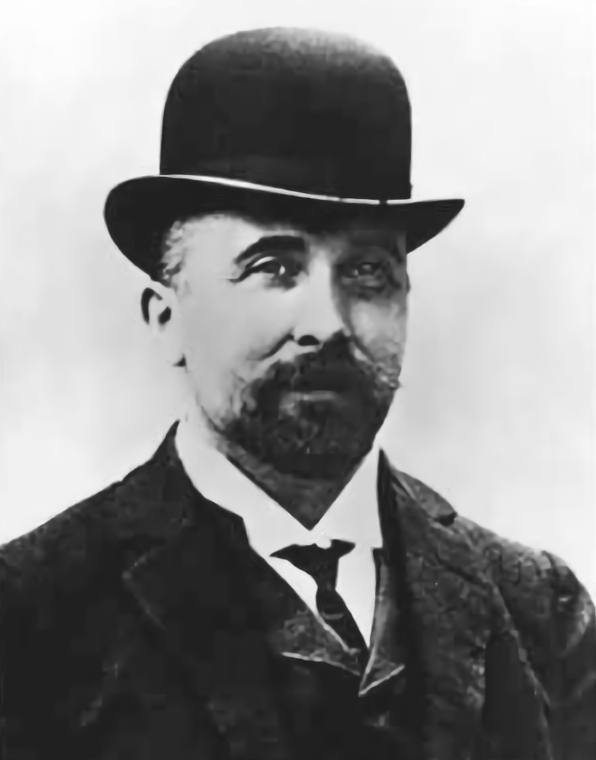 Built on1899Introduction of aspirinISIS-2 proved that aspirin, a cheap drug sold since 1899, saves lives in heart attacks. The aspirin entry shows how Bayer first made the drug for pain and fever.Read this moment
-
 Built on1976Large simple trials and trial overviews (Peto and colleagues)ISIS-2 put Peto and Collins's large simple trial design into practice with 17,187 patients. That entry shows the case for trials big enough to detect moderate effects.Read this moment
-
 Led to1994Antiplatelet Trialists' Collaboration OverviewISIS-2 launched wide antiplatelet use, and the 1994 overview pooled 145 trials to measure its benefit. It shows antiplatelet therapy cutting vascular events by about a quarter.Read this moment