Cardiology
1986
GISSI-1 (Effectiveness of intravenous thrombolytic treatment in acute myocardial infarction)
This 11,806-patient Italian trial showed intravenous streptokinase cut 21-day hospital deaths after acute MI from 13% to 10.7%, with the most benefit in patients treated within 3 hours. It made early thrombolysis routine care.
Key people
- Fausto Rovelli
- GISSI principal investigator coordinating the Italian multicenter network
- GISSI Investigators Group
- Collaborative group of 176 Italian coronary care units running the trial
- Gianni Tognoni
- Mario Negri Institute researcher and co-architect of GISSI's large simple trial design
Source
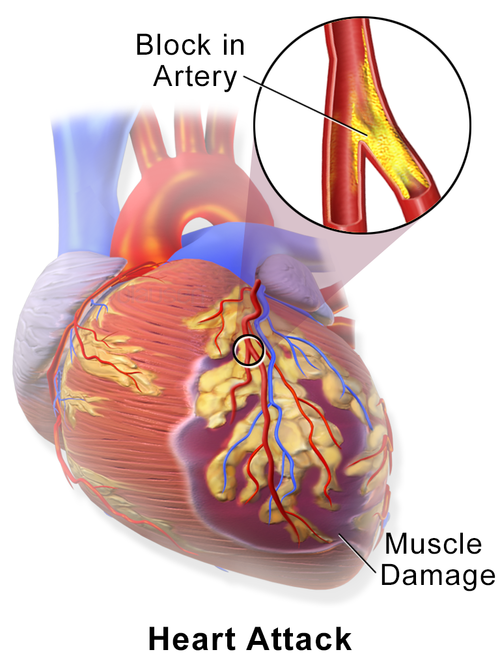
Through the first half of the 1980s, the management of acute myocardial infarction remained largely supportive. Nitrates, beta-blockers, and lidocaine prophylaxis against arrhythmias were the working tools in coronary care units; in GISSI's control group, 13 percent of patients died in hospital within 21 days. The thrombotic basis of most acute infarctions was understood, and small trials of intracoronary streptokinase had shown angiographic evidence of recanalization, but those trials were too small to detect a mortality effect with confidence and required catheterization laboratory access that most hospitals did not have.
The Gruppo Italiano per lo Studio della Streptochinasi nell'Infarto Miocardico network assembled 176 coronary care units across Italy and enrolled patients with suspected acute MI presenting within 12 hours of symptom onset. Over 17 months in 1984 and 1985, 11,806 patients were randomized, without blinding, to intravenous streptokinase plus usual treatment or usual treatment alone. The design was deliberately simple: IV streptokinase required no catheterization laboratory, only a peripheral line, making it deployable at any hospital running a coronary care unit. Fausto Rovelli coordinated the multicenter network throughout the enrollment period.
The results, published in the Lancet in 1986, showed 21-day mortality of 10.7 percent in the streptokinase group versus 13.0 percent in the control group, an absolute reduction of 2.3 percentage points and a relative reduction of approximately 18 percent. The benefit depended on time from the onset of pain: the relative risk of death was 0.74 for patients treated within 3 hours, 0.80 at 3 to 6 hours, 0.87 at 6 to 9 hours and 1.19 at 9 to 12 hours. That gradient turned speed of treatment into a clinical priority.
At that scale the mortality finding was clear (p = 0.0002): about 23 fewer deaths for every 1,000 patients treated, and the authors judged streptokinase safe for routine use. ISIS-2, published two years later, confirmed the finding with streptokinase and extended it to aspirin, showing additive benefit. In ISIS-2, streptokinase alone cut the odds of vascular death at five weeks by 25 percent and the combination with aspirin by 42 percent, and intravenous thrombolysis became standard care for acute myocardial infarction.
GISSI-1 also reshaped how the cardiology community thought about conducting large, simple randomized trials. Its design, enrolling broad, unselected populations across many centers with a minimal protocol, produced an answer that previous small trials had been unable to generate. ISIS-3 later pooled its heparin results with those of GISSI-2. Percutaneous coronary intervention eventually replaced thrombolysis as the preferred reperfusion strategy where catheterization laboratories were available around the clock, while drug reperfusion is still used where they are not.
Keep exploring
 Read next · led to
ISIS-2 (Second International Study of Infarct Survival) (1988)
Two years after GISSI-1, ISIS-2 confirmed the streptokinase result and added aspirin, with the two drugs' benefits adding up. Its entry shows the combination cutting the odds of vascular death by 42 percent.
Read this moment
Read next · led to
ISIS-2 (Second International Study of Infarct Survival) (1988)
Two years after GISSI-1, ISIS-2 confirmed the streptokinase result and added aspirin, with the two drugs' benefits adding up. Its entry shows the combination cutting the odds of vascular death by 42 percent.
Read this moment
 Today on The Clinical Times
Florida dengue outbreak appears to be largest in continental U.S. in decades
Florida has reported more than 250 locally acquired dengue cases this year, with most in Hillsborough County, according to state health officials.
Read today’s top stories
Today on The Clinical Times
Florida dengue outbreak appears to be largest in continental U.S. in decades
Florida has reported more than 250 locally acquired dengue cases this year, with most in Hillsborough County, according to state health officials.
Read today’s top stories
All 526 moments in the history of medicine. This one is in chapter 6, Trials, scanners and rights
Connected moments
How this moment links to others in the history of medicine, and what you will find in each.
-
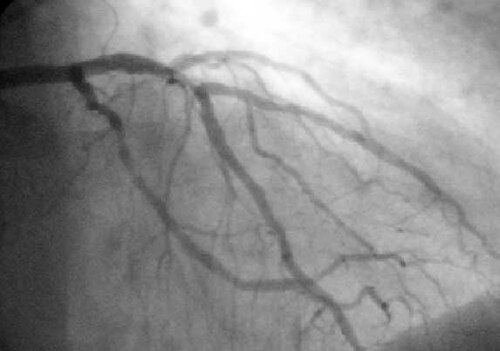 Same disease or problem2003Primary PCI versus thrombolysis for acute STEMI (Keeley meta-analysis of 23 trials)Thrombolysis became standard for heart attack until catheter angioplasty proved better where labs were available. The Keeley entry shows primary angioplasty beating clot dissolving drugs across 23 trials.Read this moment
-
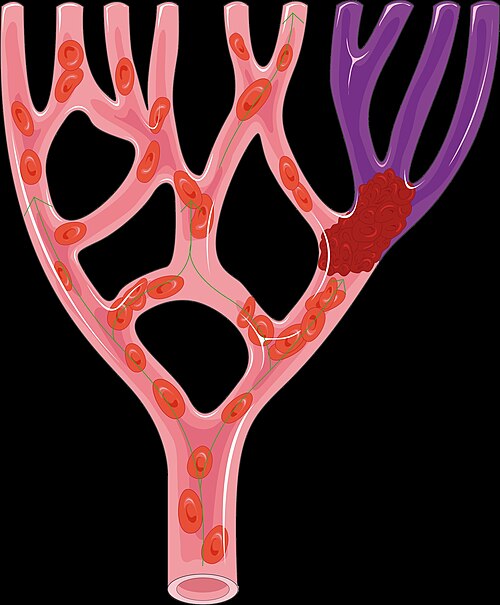 Same disease or problem1995NINDS rt-PA Stroke TrialBoth dissolved a blocking clot with a drug, and both found that speed decided the benefit, in the heart and then in the brain. The NINDS entry shows t-PA given within three hours of stroke cutting disability.Read this moment
-
 Same disease or problem1976Large simple trials and trial overviews (Peto and colleagues)GISSI-1 showed what a broad, simple trial across many hospitals could answer, the case the Oxford group was making. That entry shows the argument for large simple trials and overviews of all the evidence.Read this moment