Infectious Disease
1987
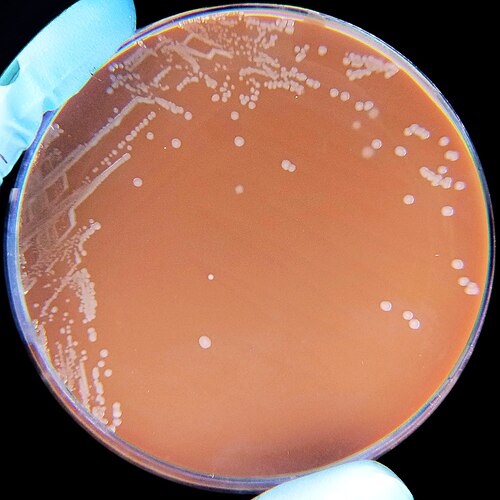
Haemophilus influenzae type b (Hib) conjugate vaccine
Conjugating Hib polysaccharide to a carrier protein produced antibody in young children, where plain polysaccharide failed. Infant formulations approved in 1990 helped cut invasive Hib disease in the United States by more than 99% and set the pattern for pneumococcal and meningococcal conjugate vaccines.
Key people
- John Robbins
- NIH immunologist who pioneered Hib polysaccharide and conjugate vaccine development
- Rachel Schneerson
- NIH biochemist who co-developed Hib conjugate vaccine technology with Robbins
- Porter Anderson
- Rochester researcher who developed the HbOC conjugate vaccine with David Smith
- David Smith
- Pediatric infectious disease specialist who co-led early Hib vaccine clinical trials
Source
N Engl J Med, 1990 (infant efficacy field trial; first conjugate licensed 1987) (opens in a new tab)
Before an effective vaccine existed, Haemophilus influenzae type b was the leading cause of bacterial meningitis in young children in the United States. Survivors often carried lasting deficits: hearing impairment or other neurological damage affected 15 to 30 percent of them. Hib also caused epiglottitis, septic arthritis, osteomyelitis and pneumonia, for about 20,000 cases of invasive disease a year in the United States.
A plain polysaccharide vaccine, based on the Hib capsular antigen polyribosylribitol phosphate (PRP), was licensed in the United States in 1985. It worked in children over two years old but failed in infants and toddlers below 18 months, precisely the age group with the highest burden of disease. The failure was immunological: T-cell-independent polysaccharide antigens do not generate memory B cells in young children, whose immune systems have not yet developed the infrastructure for that response. John Robbins and Rachel Schneerson at the NIH recognized that chemically conjugating the polysaccharide to a carrier protein would convert the immune response to T-cell dependent, generating both antibody and memory even in young infants.
The first conjugate product, PRP-D (PRP conjugated to diphtheria toxoid), received a license in the United States in 1987. Porter Anderson and David Smith at the University of Rochester developed another conjugate, HbOC. The FDA approved HbOC on October 4, 1990, and PRP-OMP on December 13, 1990, for routine use in infants from 2 months of age. In Finland, a trial in 114,000 infants given PRP-D at 3, 4 and 6 months found 4 cases of invasive Hib disease among vaccinated children against 64 in controls, a protective efficacy of 94 percent; the controls, children born on even-numbered days, were vaccinated at 24 months. In 120 of the infants the fourth dose produced the booster response typical of T-cell help, with antibody rising from 0.53 micrograms per milliliter at seven months to 45.22.
The reduction in disease burden was striking. From about 20,000 cases of invasive Hib disease a year in the United States before vaccination, incidence has fallen by more than 99 percent. Hib meningitis, once a routine if feared diagnosis on pediatric wards, became rare. Similar reductions occurred in other countries that introduced the vaccine into infant immunization programs.
The conjugation technology Robbins and Schneerson developed became the template for the next generation of vaccines against encapsulated bacteria. The 7-valent pneumococcal conjugate vaccine (Prevnar) was licensed in 2000, targeting the leading cause of bacterial meningitis in children after Hib was controlled. Meningococcal conjugate vaccines followed. Each of these products used the same principle: conjugate a pathogen's polysaccharide capsule to a protein carrier, convert the immune response from T-cell independent to T-cell dependent, and achieve protection in infancy. The Hib vaccines were the first to show that this approach could protect infants.
Keep exploring
 Read next · built on
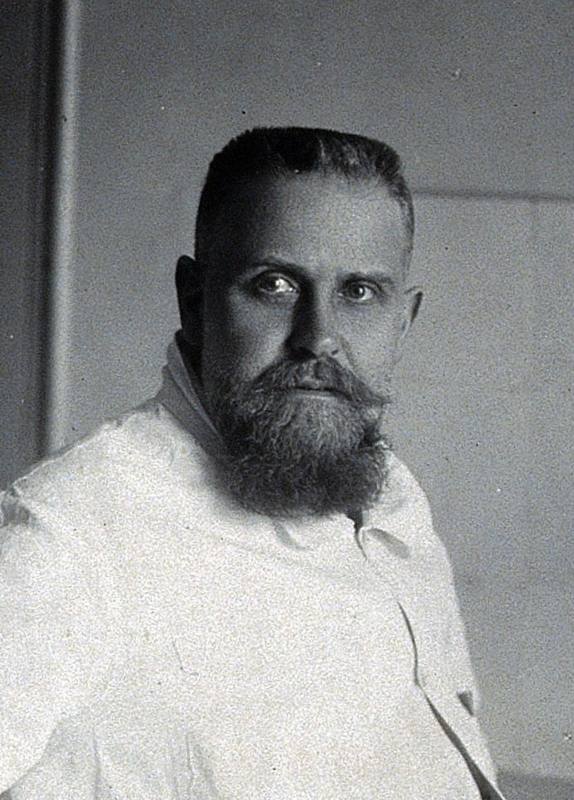
Ramon's diphtheria toxoid (1923)
The first Hib conjugate joined the bacterial sugar to diphtheria toxoid, the product Ramon had made in 1923. Ramon's entry shows how formalin and heat turned a deadly toxin into a vaccine.
Read this moment
Read next · built on
Ramon's diphtheria toxoid (1923)
The first Hib conjugate joined the bacterial sugar to diphtheria toxoid, the product Ramon had made in 1923. Ramon's entry shows how formalin and heat turned a deadly toxin into a vaccine.
Read this moment
 Today on The Clinical Times
Florida dengue outbreak appears to be largest in continental U.S. in decades
Florida has reported more than 250 locally acquired dengue cases this year, with most in Hillsborough County, according to state health officials.
Read today’s top stories
Today on The Clinical Times
Florida dengue outbreak appears to be largest in continental U.S. in decades
Florida has reported more than 250 locally acquired dengue cases this year, with most in Hillsborough County, according to state health officials.
Read today’s top stories
All 526 moments in the history of medicine. This one is in chapter 6, Trials, scanners and rights
Connected moments
How this moment links to others in the history of medicine, and what you will find in each.
-
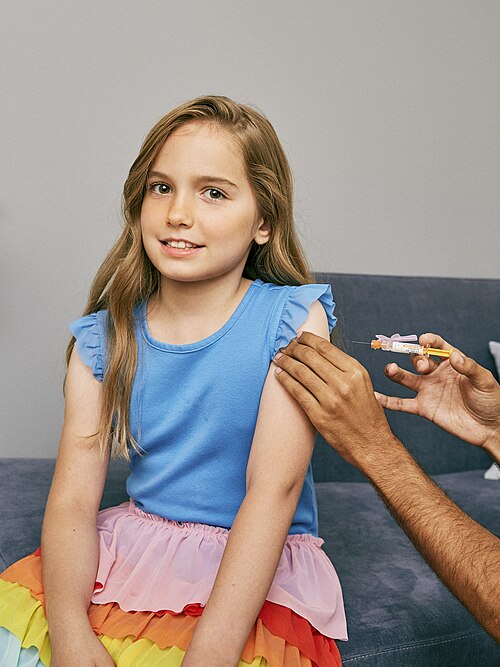 Same disease or problem1974WHO Expanded Programme on Immunization (EPI) launchedNational immunization programs built on EPI later added Hib to the childhood schedule. The EPI entry shows child vaccination credited with averting about 154 million deaths in 50 years.Read this moment
-
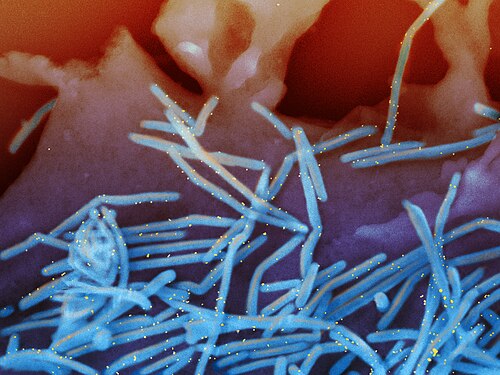 Same disease or problem2024Nirsevimab cuts infant RSV hospitalizationBoth set out to protect infants in their first months from a leading infection that older methods could not stop. The nirsevimab entry shows a long-acting antibody preventing about 90 percent of RSV hospitalizations.Read this moment