Cardiology
1987
FDA approval of lovastatin, the first statin (HMG-CoA reductase inhibitor)
Lovastatin was the first HMG-CoA reductase inhibitor the FDA approved, in 1987. It followed Akira Endo's 1973 discovery of compactin in a mold and opened the statin class now used to lower LDL and prevent heart disease.

Key people
- Akira Endo
- Japanese biochemist who discovered HMG-CoA reductase inhibition from fungi
- P. Roy Vagelos
- Merck research chief who led lovastatin's clinical development and FDA approval
- Michael Brown
- UT Southwestern biochemist; LDL receptor work provided the mechanistic rationale
- Joseph Goldstein
- Co-discoverer of LDL receptor biology; Nobel Prize 1985 with Brown
Source
Proc Jpn Acad Ser B Phys Biol Sci, 2010 (opens in a new tab)
Through the 1970s and early 1980s, clinicians had few effective tools for lowering LDL cholesterol. Bile acid sequestrants such as cholestyramine lowered LDL, but patients found them hard to tolerate. Niacin lowered lipids but carried substantial flushing and hepatotoxicity. The coronary risk associated with elevated LDL had been established by epidemiological data, including Framingham and the MRFIT study, but translating that knowledge into durable lipid reduction in daily clinical practice remained difficult.
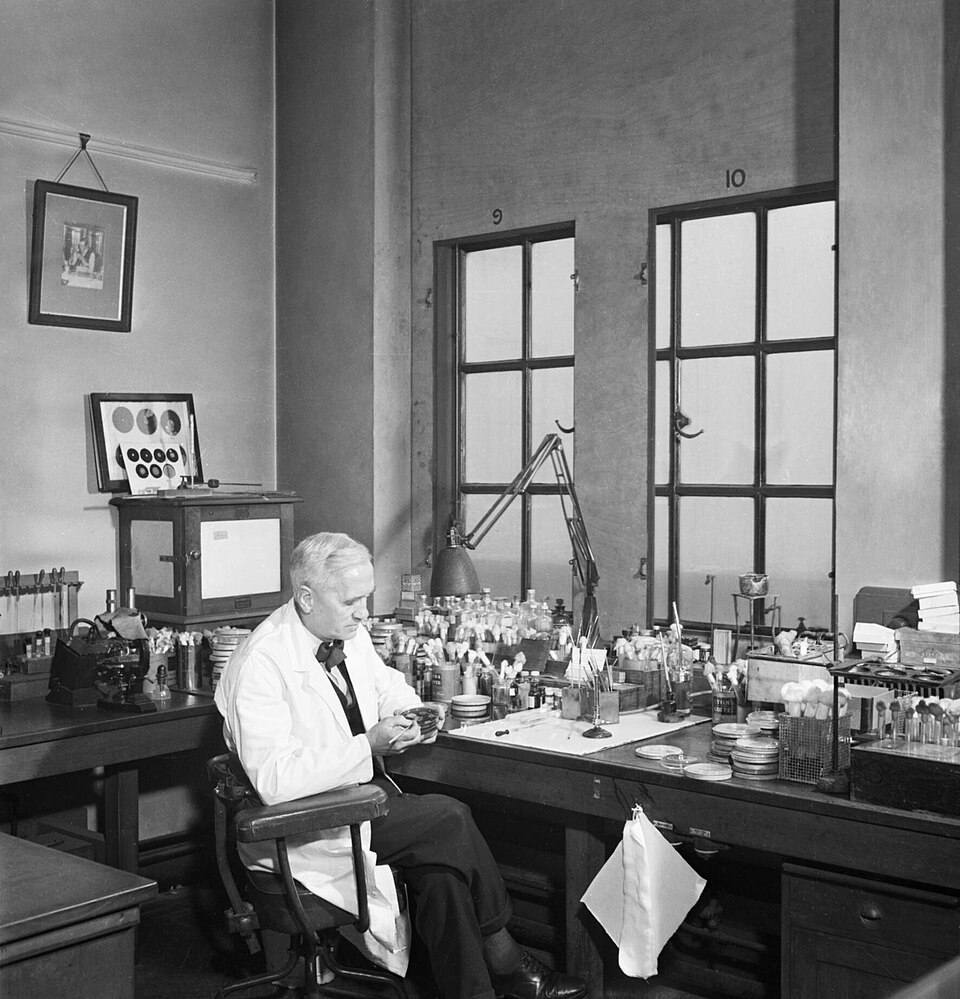
The pharmacological answer came from an unexpected source: fungal metabolism. Akira Endo, a biochemist at Sankyo in Tokyo, inspired by Alexander Fleming's success with molds, began screening fungal culture broths in April 1971; after testing 3,800 strains he found a first inhibitor, citrinin. In July 1973 he isolated compactin from Penicillium citrinum, a blue-green mold from a rice sample collected at a grain shop in Kyoto, as a potent inhibitor of HMG-CoA reductase, the rate-limiting enzyme in the mevalonate pathway. In July 1976 Roy Vagelos, president of Merck Research Laboratories, obtained compactin samples and Sankyo's data under a confidentiality agreement, and Merck researchers then isolated a related compound, mevinolin, from Aspergillus terreus; in 1979 Endo found the same compound in Monascus ruber, and it became lovastatin. Merck filed its application in November 1986, and on August 31, 1987, the FDA approved lovastatin, sold as Mevacor, as the first statin.
In early clinical studies lovastatin lowered cholesterol sharply and was well tolerated, and long-term toxicity studies in dogs found no tumors. The drug's mechanism was clean: competitive inhibition of HMG-CoA reductase reduced hepatic cholesterol synthesis, which upregulated LDL receptor expression and increased clearance of LDL particles from plasma. Despite the lipid-lowering potency, the mortality question remained unanswered at the time of approval, as the FDA accepted surrogate endpoints for the initial indication.
The mortality evidence came in stages over the following decade. The Scandinavian Simvastatin Survival Study (4S) in 1994 showed that simvastatin reduced coronary death and total mortality in patients with established coronary disease. WOSCOPS in 1995 extended the benefit to primary prevention in men with hypercholesterolemia. These trials used second-generation statins, but they confirmed the mechanistic principle established by lovastatin. By the late 1990s, statin therapy had become standard of care for secondary prevention and for high-risk primary prevention.
By the 2010s, statins were among the most widely prescribed drugs in the world. Lovastatin itself was eventually superseded by more potent agents, including atorvastatin and rosuvastatin, but the compound's approval in 1987 opened the clinical and commercial path for the entire class. Endo, who had identified the foundational chemistry years before Merck's development program, received belated recognition through numerous international awards, including the Lasker-DeBakey Clinical Medical Research Award in 2008.
Keep exploring
 Read next · built on
Fleming's discovery of penicillin (1928)
Akira Endo began screening fungal broths for a cholesterol drug inspired by Fleming's success with molds. Fleming's entry shows a mold clearing bacteria from a plate and the long wait before penicillin reached patients.
Read this moment
Read next · built on
Fleming's discovery of penicillin (1928)
Akira Endo began screening fungal broths for a cholesterol drug inspired by Fleming's success with molds. Fleming's entry shows a mold clearing bacteria from a plate and the long wait before penicillin reached patients.
Read this moment
 Today on The Clinical Times
Florida dengue outbreak appears to be largest in continental U.S. in decades
Florida has reported more than 250 locally acquired dengue cases this year, with most in Hillsborough County, according to state health officials.
Read today’s top stories
Today on The Clinical Times
Florida dengue outbreak appears to be largest in continental U.S. in decades
Florida has reported more than 250 locally acquired dengue cases this year, with most in Hillsborough County, according to state health officials.
Read today’s top stories
All 526 moments in the history of medicine. This one is in chapter 6, Trials, scanners and rights
Connected moments
How this moment links to others in the history of medicine, and what you will find in each.
-
 Led to19944S (Scandinavian Simvastatin Survival Study)Lovastatin was approved on cholesterol lowering alone, and the 4S trial of a later statin supplied the proof of fewer deaths. It shows simvastatin cutting coronary deaths by 42 percent.Read this moment
-
 Same person1987Ivermectin and the Mectizan Donation ProgramRoy Vagelos, who brought compactin samples to Merck, also approved the first human trial of ivermectin and later gave it away. The Mectizan entry shows more than 14 billion tablets donated against river blindness.Read this moment
-
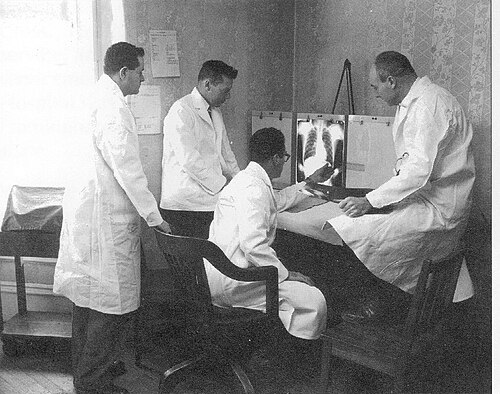 Built on1961Factors of Risk in the Development of Coronary Heart Disease (Framingham Heart Study)Framingham helped establish high LDL cholesterol as a coronary risk, the target statins were built to hit. The Framingham entry shows how the term risk factor entered medicine.Read this moment