Infectious Disease
1984
Marshall & Warren: Helicobacter pylori causes peptic ulcer disease
Marshall and Warren tied a stomach bacterium to gastritis and ulcers, turning most peptic ulcers into a curable infection treatable with antibiotics. They won the 2005 Nobel Prize in Physiology or Medicine.

Key people
- Barry Marshall
- Perth gastroenterology trainee who designed the clinical series and self-experimented
- Robin Warren
- Perth pathologist who first identified the bacillus on antral biopsies in 1979
- David Graham
- Houston gastroenterologist whose eradication trials helped establish treatment efficacy
Source
By the early 1980s, the management of peptic ulcer disease had reached a stable, if unsatisfying, equilibrium. H2 blockers suppressed acid and healed ulcers, but the ulcers often came back once treatment stopped. In 1982 stress and lifestyle were considered the main causes of peptic ulcer, with excess acid as the mechanism. Bacteria were not part of the picture; the conventional view held that the stomach's acid environment was simply incompatible with microbial colonization.
Robin Warren, a pathologist at Royal Perth Hospital in Western Australia, had been observing a curved bacillus on gastric antral biopsies since 1979 and noted a consistent association with active chronic gastritis. In the second half of 1981 Barry Marshall, a young trainee physician, rotated to the hospital's gastroenterology division, met Warren and took the bacteria on as his research project. Marshall designed a prospective series, enrolled 100 consecutive patients undergoing upper endoscopy, and obtained antral biopsies for both histology and culture. Curved bacilli appeared in 58 of the 100 patients and grew in culture from 11 biopsies, as a gram-negative, flagellated, microaerophilic organism resembling Campylobacter. The Lancet paper of June 16, 1984, reported it in almost all patients with active chronic gastritis, duodenal ulcer or gastric ulcer.
The reception was hostile. Marshall later wrote that 1984 was a difficult year: most of his work was rejected for publication, he met constant criticism, and his attempts to infect an animal model failed. Marshall addressed the criticism directly. He swallowed a culture of the organism himself, with a stomach lining that biopsy had shown to be normal. A mild illness followed, lasting 14 days; biopsy showed gastritis on the tenth day, and it had largely resolved by the fourteenth. The Medical Journal of Australia published the experiment in 1985 as an attempt to fulfil Koch's postulates.
Wider acceptance came through the late 1980s as groups in Britain, Sydney and elsewhere found the same organism, treatment studies showed that ulcers were cured only when the bacteria were eradicated, and the infection was linked to stomach cancer and MALT lymphoma. By the early 1990s, testing and treating H. pylori had entered mainstream guidelines. Marshall and Warren received the 2005 Nobel Prize in Physiology or Medicine; the Nobel Assembly said they had challenged prevailing dogmas, and that the bacterium causes more than 90 percent of duodenal ulcers and up to 80 percent of gastric ulcers.
Triple therapy combining a proton pump inhibitor with clarithromycin and amoxicillin or metronidazole eradicates H. pylori in most patients, and eradication, unlike acid suppression alone, prevents most ulcers from returning. The practical consequence was that a condition managed chronically with daily medication became one curable in two weeks. Antibiotic resistance has complicated first-line regimens where clarithromycin resistance is common, and bismuth-based quadruple regimens are now preferred in those settings.
Keep exploring
 Read next · same disease or problem
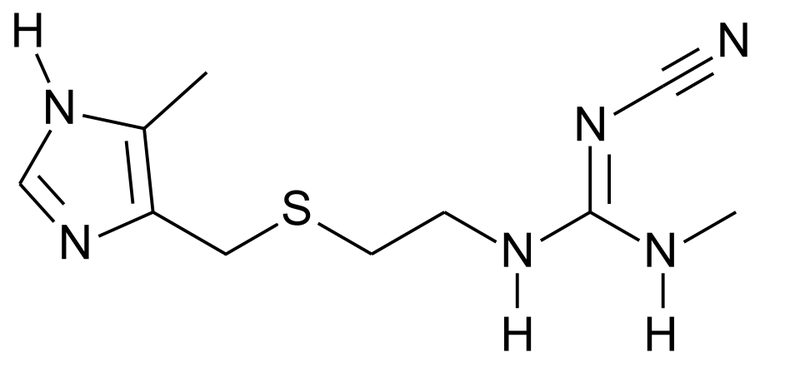
Cimetidine and the H2 blockers (1976)
H2 blockers healed ulcers by cutting acid, but ulcers came back until Marshall and Warren showed a bacterium causes them. The cimetidine entry shows James Black designing the acid blocker.
Read this moment
Read next · same disease or problem
Cimetidine and the H2 blockers (1976)
H2 blockers healed ulcers by cutting acid, but ulcers came back until Marshall and Warren showed a bacterium causes them. The cimetidine entry shows James Black designing the acid blocker.
Read this moment
 Today on The Clinical Times
Florida dengue outbreak appears to be largest in continental U.S. in decades
Florida has reported more than 250 locally acquired dengue cases this year, with most in Hillsborough County, according to state health officials.
Read today’s top stories
Today on The Clinical Times
Florida dengue outbreak appears to be largest in continental U.S. in decades
Florida has reported more than 250 locally acquired dengue cases this year, with most in Hillsborough County, according to state health officials.
Read today’s top stories
All 526 moments in the history of medicine. This one is in chapter 6, Trials, scanners and rights
Connected moments
How this moment links to others in the history of medicine, and what you will find in each.
-
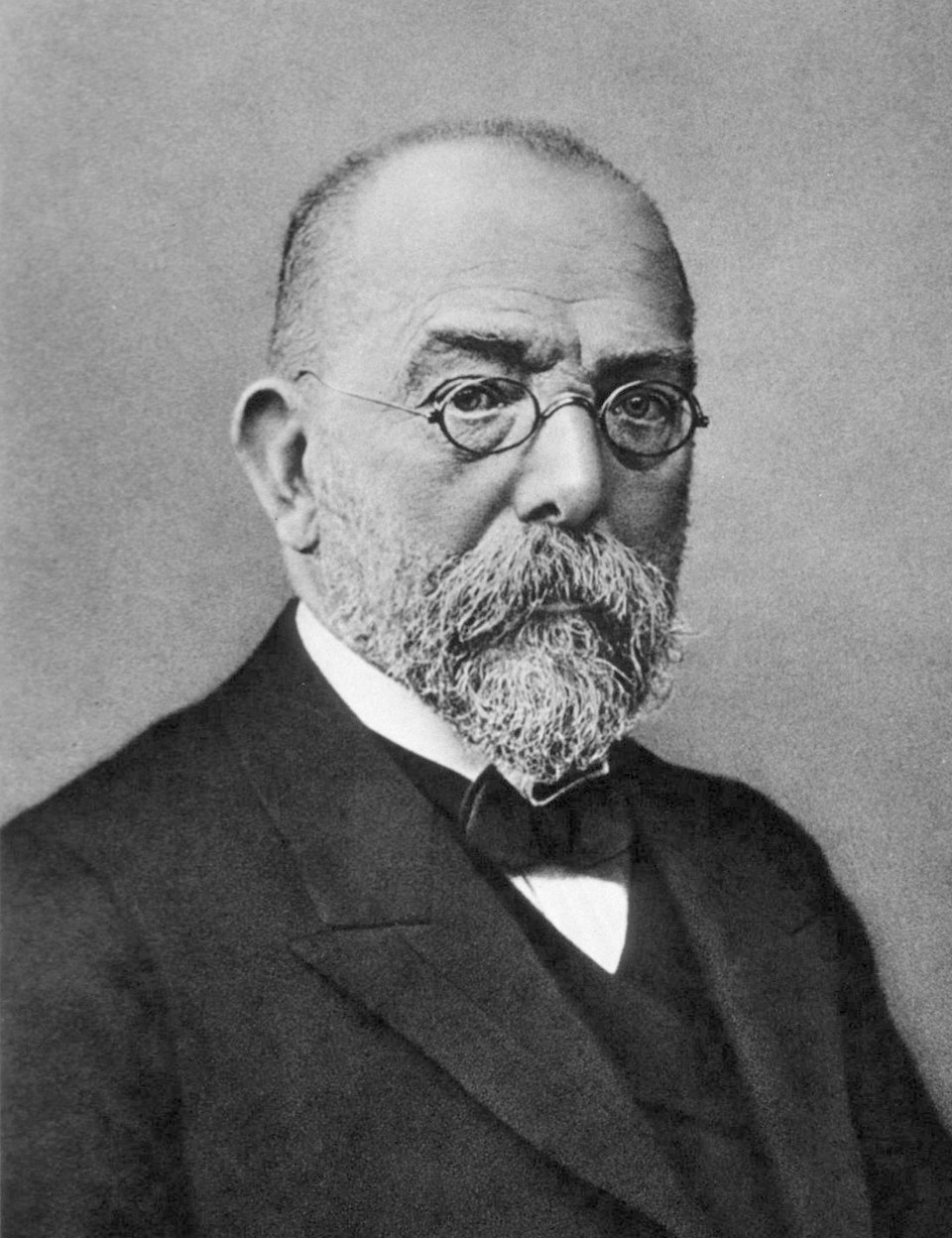 Built on1882Koch's Discovery of the Tubercle BacillusMarshall swallowed the bacterium himself in an attempt to fulfil Koch's postulates. The tuberculosis entry shows Koch's methods for proving that a microbe causes a disease.Read this moment
-
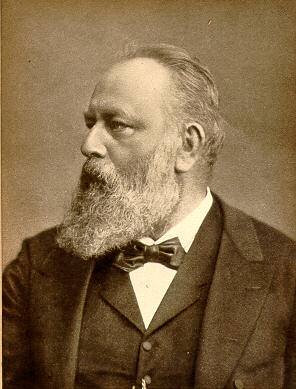 Same disease or problem1881Billroth's gastrectomyThe ulcer bacterium was later linked to stomach cancer, the disease Billroth first removed successfully in 1881. His entry shows the first resection of a pyloric cancer that a patient survived.Read this moment