Genetics & Molecular
1985
Polymerase Chain Reaction (PCR)
PCR let labs copy a chosen DNA sequence millions of times from trace samples. It made molecular diagnostics, genetic testing, and forensic identification routine. Mullis shared the 1993 Nobel Prize in Chemistry for the method.
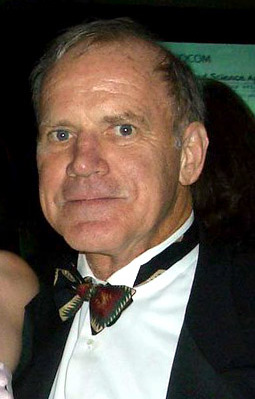
Key people
- Kary Mullis
- Biochemist who conceived and developed the PCR method
- Randall Saiki
- Cetus Corporation researcher who refined early PCR protocols and introduced Taq polymerase
- Henry Erlich
- Cetus scientist who led early PCR applications in genetics and diagnostics
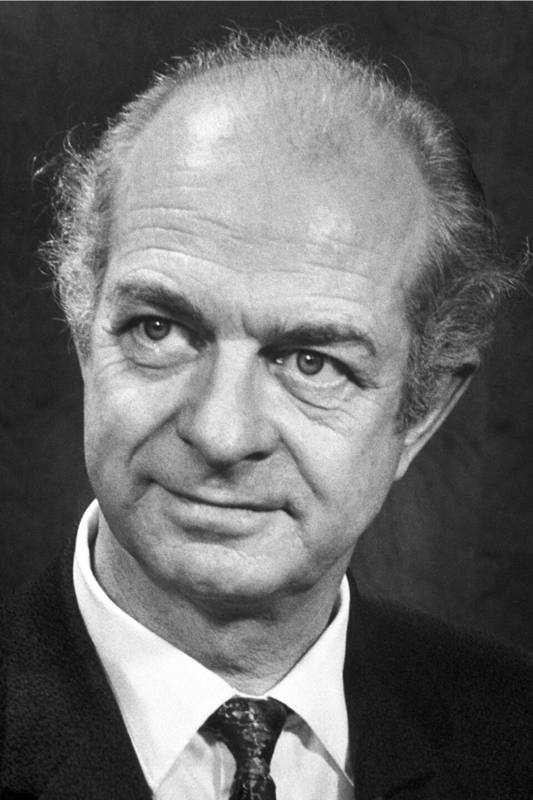
- Michael Smith
- Biochemist who shared the 1993 Nobel Prize in Chemistry with Mullis
Source
In the early 1980s, studying a specific stretch of DNA meant cloning it into a bacterial vector, growing up sufficient cells, and extracting the product through a laborious series of steps that took days to weeks and required substantial starting material. Detecting a pathogen's genetic sequence in a clinical sample, or identifying a single-nucleotide variant in a patient's genome, was a research exercise, not a routine clinical test. The sensitivity of available hybridization methods was limited by the amount of target DNA present in any given specimen.
Kary Mullis, a biochemist at Cetus Corporation in Emeryville, California, conceived the polymerase chain reaction one spring night while driving on Highway 128 toward his cabin in Mendocino County; he pulled over at mile marker 46.7 to check his arithmetic. His idea was that if primers flanking a target sequence were extended by a polymerase and the product was heated apart and primed again, the target would double with each cycle; 20 cycles give about a million copies, within a few hours. The method was first described in December 1985, in a Science paper from the Cetus group that used it to amplify beta-globin sequences 220,000-fold for prenatal diagnosis of sickle cell anemia in under a day. The initial protocols used a DNA polymerase that was destroyed by each heating step and had to be replenished manually each cycle. That limitation was solved in 1988 when Randall Saiki and colleagues at Cetus switched to a heat-stable polymerase from the bacterium Thermus aquaticus, which also improved the specificity, yield and length of the products.
Saiki was first author on both the 1985 and 1988 papers, and the heat-stable enzyme made it practical to run the whole cycle automatically in a machine. Once automation was practical, PCR spread quickly through molecular biology laboratories. By 1993 the Nobel committee noted its use in detecting HIV and faulty genes in hereditary diseases, and PCR was soon applied to tests such as direct detection of Mycobacterium tuberculosis in sputum and diagnosis of herpes simplex encephalitis from cerebrospinal fluid.
Mullis received half of the 1993 Nobel Prize in Chemistry, for his invention of the PCR method; the other half went to Michael Smith of the University of British Columbia for site-directed mutagenesis. The academy's announcement noted that simple equipment could now multiply a DNA segment millions of times in a few hours. Forensic applications followed in parallel with clinical ones: DNA profiling from trace samples became central to criminal investigation, and the announcement mentioned DNA recovered from fossil material of extinct animals.
The method became familiar to the general public during the COVID-19 pandemic, when RT-PCR for SARS-CoV-2 RNA was the reference test for diagnosis. Its origins were less smooth than its spread. By Mullis's own account in his Nobel lecture, his first PCR paper was rejected by Science, and the first researcher outside Cetus to use the method was Alan Wilson.
Keep exploring
 Read next · same disease or problem
Southern blot: DNA detection by gel transfer and hybridization (1975)
Both found a chosen DNA sequence among many, and both were first used to diagnose sickle cell before birth. The Southern blot entry shows the gel transfer method that later helped map the human genome.
Read this moment
Read next · same disease or problem
Southern blot: DNA detection by gel transfer and hybridization (1975)
Both found a chosen DNA sequence among many, and both were first used to diagnose sickle cell before birth. The Southern blot entry shows the gel transfer method that later helped map the human genome.
Read this moment
 Today on The Clinical Times
Florida dengue outbreak appears to be largest in continental U.S. in decades
Florida has reported more than 250 locally acquired dengue cases this year, with most in Hillsborough County, according to state health officials.
Read today’s top stories
Today on The Clinical Times
Florida dengue outbreak appears to be largest in continental U.S. in decades
Florida has reported more than 250 locally acquired dengue cases this year, with most in Hillsborough County, according to state health officials.
Read today’s top stories
All 526 moments in the history of medicine. This one is in chapter 6, Trials, scanners and rights
Connected moments
How this moment links to others in the history of medicine, and what you will find in each.
-
 Same disease or problem1949Sickle cell anemia as a molecular diseaseThe first PCR paper amplified beta-globin DNA to diagnose sickle cell anemia before birth in under a day. The 1949 entry shows how sickle cell became the first disease traced to an abnormal protein.Read this moment
-
 Same disease or problem1985First licensed HIV antibody testBoth became ways to detect HIV infection, the antibody test from 1985 and PCR by 1993. The test entry shows US blood banks beginning to screen donated blood in 1985.Read this moment
-
 Same disease or problem1977Sanger DNA Sequencing (dideoxy chain-termination method)Both became basic tools of genetics, PCR for copying a chosen stretch of DNA and Sanger's method for reading it. The Sanger entry shows the sequencing method used to read the human genome.Read this moment