Endocrinology
1982
Recombinant Human Insulin (Humulin) Approval
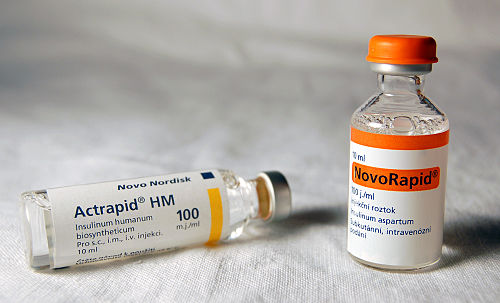
The FDA approved Lilly's Humulin, human insulin made in engineered E. coli, on October 28, 1982. It was the first commercial health care product of recombinant DNA technology, and over the following years it displaced insulin extracted from animal pancreas.
Key people
- David Goeddel
- Genentech scientist who led the original gene synthesis and bacterial expression
- Herbert Boyer
- Genentech co-founder whose recombinant DNA platform underpinned the project
- Stanley Cohen
- Stanford biologist who co-developed foundational recombinant DNA cloning techniques with Boyer
- Eli Lilly
- Pharmaceutical company that licensed Genentech's technology and scaled manufacturing
Source
Before 1982, insulin in clinical use was extracted from the pancreases of slaughtered cattle and pigs. The supply chain ran through the meatpacking industry, and the proteins it yielded differed from human insulin by one or three amino acids. For most patients the difference was clinically irrelevant, but for a measurable minority it caused immune reactions: lipodystrophy at injection sites, insulin resistance driven by anti-insulin antibodies, and occasionally systemic hypersensitivity. Insulin with the human sequence promised to avoid some of those problems.
The solution came from a collaboration between Genentech and Eli Lilly. In 1977 and 1978, David Goeddel led the Genentech team, working with Keiichi Itakura and Arthur Riggs of City of Hope, in synthesizing separate genes for the A and B chains of human insulin. Each gene was fused to the bacterial beta-galactosidase gene in Escherichia coli; the insulin chains were then cut free, purified and joined chemically by reduction and reoxidation. The work was published in the Proceedings of the National Academy of Sciences in 1979. Herbert Boyer had co-founded Genentech after developing recombinant DNA cloning with Stanley Cohen, work they began in 1973. Lilly licensed the technology, scaled fermentation, and submitted to the FDA.
On October 28, 1982, the FDA approved Humulin, the brand name Lilly gave the recombinant product. Irving Johnson of Lilly described it as the first commercial health care product derived from recombinant DNA technology. Work on it had begun before there were federal guidelines for large-scale recombinant DNA work, and Lilly had to show regulators both that large-scale production was acceptable and that the product was identical to human insulin and safe. The approval came about four years after the synthetic genes were first expressed.
The clinical transition was gradual. Some patients reported weaker warning of hypoglycemia after switching: in a 1987 survey of 176 patients moved from beef or pork insulin to human insulin, 66 (36 percent) said their symptoms had shifted from tremor and sweating toward the confusion of low brain glucose, leaving less warning before unconsciousness. Over the following years recombinant insulin progressively displaced animal sources.
The FDA Drug Bulletin reported the approval in December 1982. In his 1983 account in Science, Johnson predicted that commercial uses of recombinant DNA would depend on economic conditions and the availability of investment capital as much as on the science. By the 1990s, a generation of drugs that could not exist without recombinant expression technology had entered clinical practice.
Keep exploring
 Read next · built on
Cohen and Boyer recombinant DNA cloning (1973)
Herbert Boyer co-founded Genentech after developing recombinant cloning with Stanley Cohen in 1973. Their entry shows how spliced plasmids first let bacteria copy foreign DNA.
Read this moment
Read next · built on
Cohen and Boyer recombinant DNA cloning (1973)
Herbert Boyer co-founded Genentech after developing recombinant cloning with Stanley Cohen in 1973. Their entry shows how spliced plasmids first let bacteria copy foreign DNA.
Read this moment
 Today on The Clinical Times
Florida dengue outbreak appears to be largest in continental U.S. in decades
Florida has reported more than 250 locally acquired dengue cases this year, with most in Hillsborough County, according to state health officials.
Read today’s top stories
Today on The Clinical Times
Florida dengue outbreak appears to be largest in continental U.S. in decades
Florida has reported more than 250 locally acquired dengue cases this year, with most in Hillsborough County, according to state health officials.
Read today’s top stories
All 526 moments in the history of medicine. This one is in chapter 6, Trials, scanners and rights
Connected moments
How this moment links to others in the history of medicine, and what you will find in each.
-
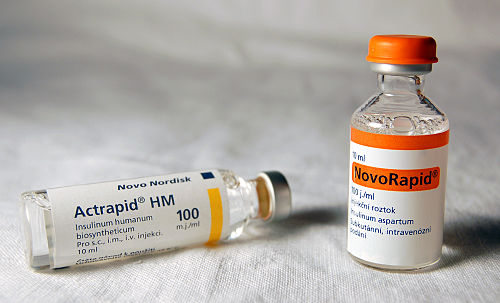 Built on1978Recombinant Human Insulin (synthesis of the gene)Humulin came from the synthetic insulin genes Genentech and City of Hope put into bacteria in 1978. That entry shows how the two chains were made separately and joined into insulin.Read this moment
-
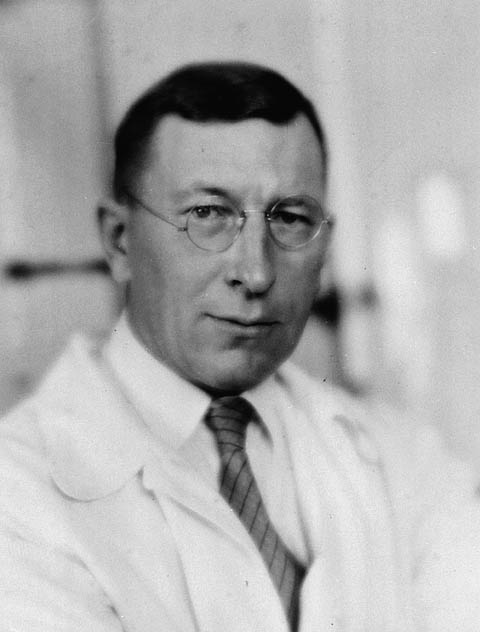 Same disease or problem1922Discovery of InsulinHumulin replaced the animal insulin that had treated diabetes since the 1920s, whose small differences caused immune reactions in some patients. The discovery entry shows how Banting and Best first made type 1 diabetes treatable.Read this moment
-
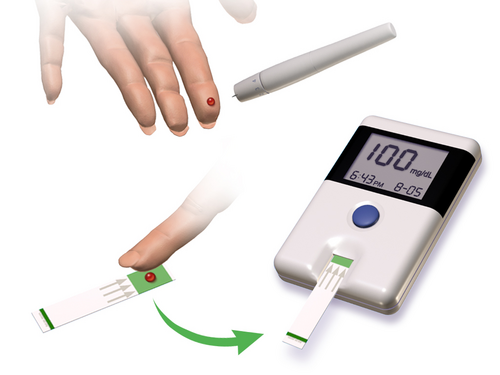 Same disease or problem1993DCCT (Diabetes Control and Complications Trial)Both concern insulin treatment of type 1 diabetes, and both raised worries about hypoglycemia. The DCCT shows intensive insulin therapy cutting eye and nerve damage at the cost of more severe low blood sugar.Read this moment