Endocrinology
1993
DCCT (Diabetes Control and Complications Trial)
In 1,441 patients with type 1 diabetes, intensive insulin therapy cut retinopathy by 76% and clinical neuropathy by 60%, at the cost of two to three times more severe hypoglycemia. It set HbA1c-guided control as standard care.
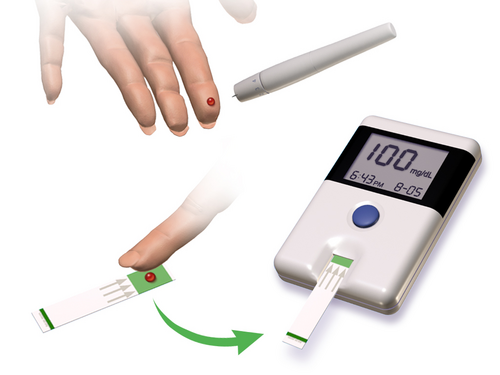
Key people
- The DCCT Research Group
- 29-center US and Canadian collaborative that conducted the trial
- David Nathan
- Principal investigator and Massachusetts General Hospital co-chair
- Oscar Crofford
- Diabetologist who led the planning of the DCCT in 1982 and 1983
Source
Before the DCCT, the link between blood glucose control and diabetic complications was contested. Observational data supported it, and animal models were consistent, but no large randomized trial had directly tested whether achieving near-normal glycemia in type 1 diabetes would prevent retinopathy, neuropathy, or nephropathy. Some endocrinologists remained skeptical; others worried that aggressive insulin therapy simply caused dangerous hypoglycemia without meaningful clinical gain. The question had practical stakes for every patient with type 1 diabetes.
Planned from 1982 under Oscar Crofford, the Diabetes Control and Complications Trial began with 21 centers, added 8 more after a two-year feasibility phase, and finished recruiting its 1,441 patients, 726 without retinopathy and 715 with mild retinopathy, in early 1989. Half were randomized to intensive therapy, with an insulin pump or three or more daily injections guided by frequent glucose monitoring, and half to conventional therapy with one or two daily injections. Participants were followed for a mean of 6.5 years, and the trial was completed in 1993.
Intensive therapy cut the risk of retinopathy by 76% in patients without preexisting retinopathy, and slowed progression by 54% in those who already had early changes. Clinical neuropathy fell by 60%, microalbuminuria, the earliest marker of diabetic kidney disease, by 39%, and albuminuria by 54%. HbA1c averaged about 7% with intensive therapy against about 9% with conventional therapy. An HbA1c below 7% was then adopted worldwide as the treatment target for type 1 diabetes.
The cost was concrete: patients in the intensive arm experienced two to three times the rate of severe hypoglycemia requiring assistance. This finding shaped how physicians applied the DCCT results. Tight control became the target, but it was modulated by individual risk for hypoglycemia, which varied with age, awareness status, comorbidities, and social circumstances. The results defined a target and a hazard at the same time.
Follow-up through the Epidemiology of Diabetes Interventions and Complications study, EDIC, which began in 1994, found that the benefits persisted for about 10 years after HbA1c levels in the two groups converged, an effect its investigators called metabolic memory. Intensive therapy during the DCCT years also reduced cardiovascular events in the long-term EDIC follow-up. Prior intensive therapy was later linked to lower mortality as well, and 96 percent of the original cohort joined EDIC.
Keep exploring
 Read next · same disease or problem
UK Prospective Diabetes Study (UKPDS 33) (1998)
DCCT proved tight glucose control prevents complications in type 1 diabetes, and UKPDS tested the same idea in type 2. The UKPDS entry shows fewer eye and kidney complications with intensive control.
Read this moment
Read next · same disease or problem
UK Prospective Diabetes Study (UKPDS 33) (1998)
DCCT proved tight glucose control prevents complications in type 1 diabetes, and UKPDS tested the same idea in type 2. The UKPDS entry shows fewer eye and kidney complications with intensive control.
Read this moment
 Today on The Clinical Times
Florida dengue outbreak appears to be largest in continental U.S. in decades
Florida has reported more than 250 locally acquired dengue cases this year, with most in Hillsborough County, according to state health officials.
Read today’s top stories
Today on The Clinical Times
Florida dengue outbreak appears to be largest in continental U.S. in decades
Florida has reported more than 250 locally acquired dengue cases this year, with most in Hillsborough County, according to state health officials.
Read today’s top stories
All 526 moments in the history of medicine. This one is in chapter 6, Trials, scanners and rights
Connected moments
How this moment links to others in the history of medicine, and what you will find in each.
-
 Same disease or problem2008ACCORDDCCT made tight control the goal, and ACCORD showed that pushing too hard in high-risk type 2 patients raised deaths. The ACCORD entry shows its intensive arm halted early.Read this moment
-
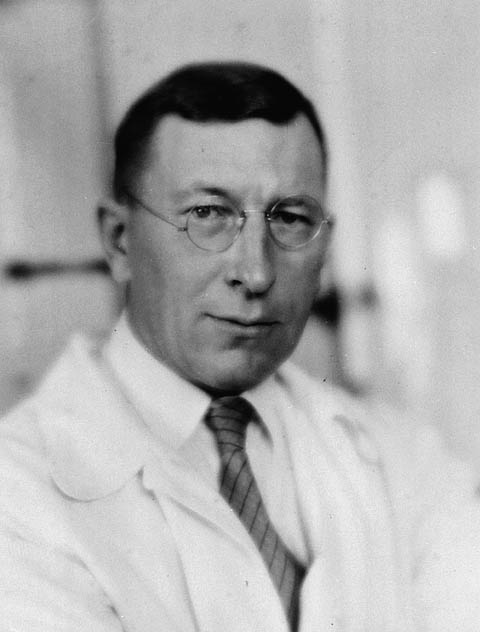 Built on1922Discovery of InsulinDCCT tested how best to use insulin, the drug that had kept type 1 patients alive since 1922. The discovery entry shows Banting and Best's extract turning a fatal disease into a treatable one.Read this moment