Endocrinology · 1922
Insulin for diabetes mellitus
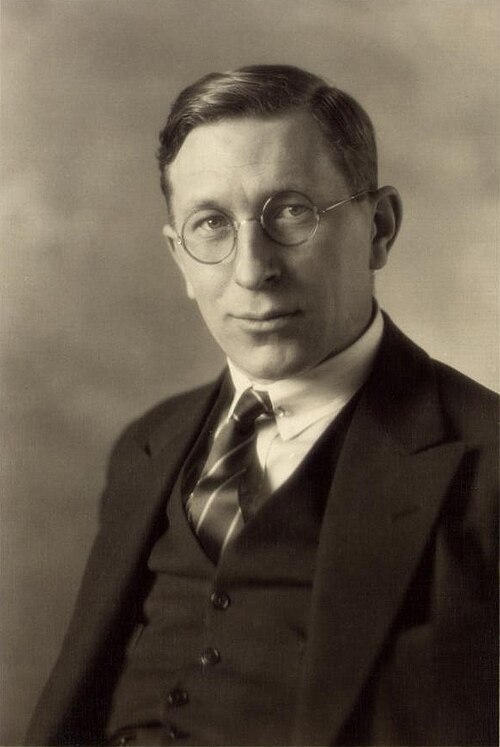
On the morning of January 23, 1922, a 14-year-old named Leonard Thompson lay in Toronto General Hospital in diabetic crisis, weighing under 65 pounds and surviving on the Allen starvation regimen. Twelve days earlier, an impure pancreatic extract had been injected and produced a severe local reaction that halted the trial. James Collip, a biochemist from the University of Alberta working with Banting and Best's team, had used the interval to substantially purify the preparation. The second injection brought Thompson's blood glucose from above 500 mg/dL to near normal within 24 hours; his ketonuria cleared, and he began to gain weight.
What happened over the following months was unusual for the period. The University of Toronto licensed the preparation process to Eli Lilly and Company later in 1922, and large-scale production of bovine-derived insulin was underway by the end of that year. By 1923, purified insulin was commercially available across North America. Wards that had housed skeletal young patients on semi-starvation diets were now treating a condition people could survive for decades. The transformation was visible to clinicians within a year of Thompson's first injection.
The Nobel Committee moved quickly as well. The 1923 Prize in Physiology or Medicine went to Frederick Banting and John Macleod, a choice that left Charles Best and James Collip without formal recognition and generated lasting friction within the Toronto group. Banting publicly declared his objection to Macleod's inclusion and divided his prize money with Best; Macleod responded by sharing his with Collip. The dispute was partly about credit and partly about what counted as the essential contribution: the surgical concept, the animal experiments, the biochemical purification, or the physiological framework.
Beyond the immediate clinical effect, the insulin story reshaped expectations about the pace of medical translation. From Banting's initial proposal in October 1920 to commercial availability at scale took less than three years. That timeline influenced how pharmaceutical licensing, academic-industry collaboration, and clinical testing were organized throughout the following decades.
Type 1 diabetes remained a lifelong injected-therapy condition for the rest of the twentieth century. Bovine and porcine insulin gave way to recombinant human insulin in the 1980s, and then to modified analogs designed for specific pharmacokinetic profiles. Every subsequent iteration, however, descends from the purification protocol that Collip worked out in the two weeks between Thompson's first and second injections.
Key People
- Frederick Banting — Surgeon who conceived the pancreatic-extract experiments
- Charles Best — Medical student who co-conducted the initial animal experiments
- James Collip — Biochemist who purified the extract for human use
- John Macleod — Physiology laboratory director; Nobel co-laureate
- Leonard Thompson — First patient successfully treated with purified insulin, January 1922
Can Med Assoc J, 1922
Related landmarks
- 1922 · Discovery of Insulin (Endocrinology)
- 1960 · Radioimmunoassay (RIA) (Endocrinology)
- 1971 · Schally and Guillemin: Hypothalamic Releasing Hormones (Endocrinology)
- 1982 · Recombinant Human Insulin (Humulin) Approval (Endocrinology)