Infectious Disease
1796
Jenner's smallpox vaccination (cowpox inoculation)
Jenner used cowpox to protect a boy from smallpox in 1796, then documented his cases in 1798. It was the first systematic test of vaccination, and the method eventually drove smallpox to eradication in 1980.
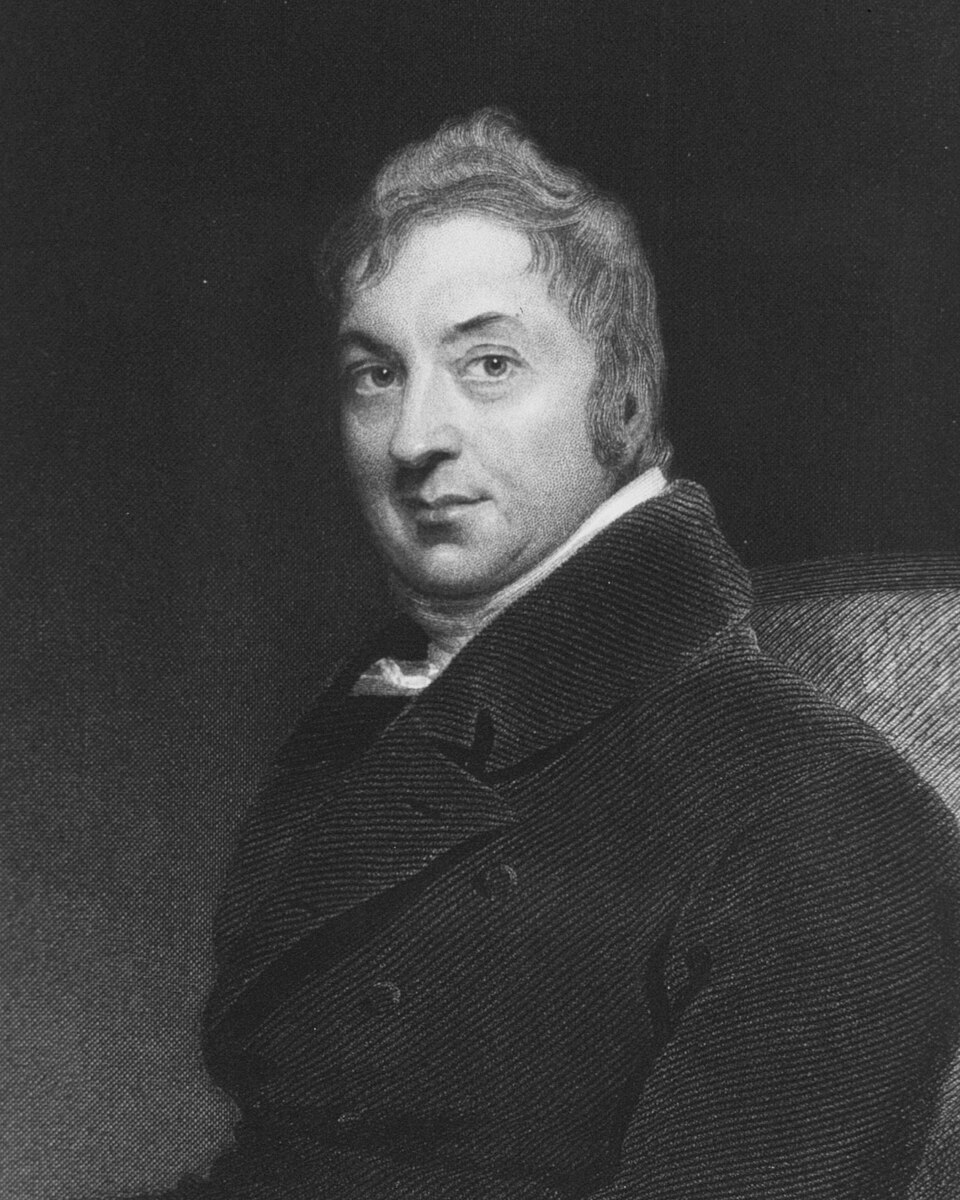
Key people
- Edward Jenner
- Country physician who designed and documented the cowpox inoculation experiment
- James Phipps
- Eight-year-old subject of Jenner's first inoculation, 1796
- Sarah Nelmes
- Milkmaid whose cowpox pustule provided the inoculation material
- Napoleon Bonaparte
- Ordered the French army vaccinated in 1805
Source
Before 1796, the only protection against smallpox was variolation: deliberate inoculation with material taken from a smallpox pustule. The procedure usually gave immunity, but 1 to 2 percent of those variolated died, and the mild smallpox it caused could spread and start epidemics. Edward Jenner, a country physician in Berkeley, Gloucestershire, had spent years gathering reports of dairymaids who seemed to resist smallpox after catching the milder cowpox. The observation was not new among English farmers: in 1774 Benjamin Jesty, a farmer at Yetminster, had deliberately given cowpox to his wife and two sons during a smallpox outbreak. No one had tested the idea systematically.
On May 14, 1796, Jenner inoculated eight-year-old James Phipps with material taken from a cowpox pustule on the hand of milkmaid Sarah Nelmes. Six weeks later, he inoculated the boy repeatedly with smallpox material. Phipps did not get smallpox. Jenner sent an account to the Royal Society in 1797. The society returned it as preliminary, and he had to wait until cowpox broke out again in March 1798 to inoculate more children. His 1798 monograph, "An Inquiry into the Causes and Effects of the Variolae Vaccinae," described 23 cases, including 15 people who had caught cowpox years earlier and did not develop smallpox when later exposed to it.
Jenner paid a printer to publish the Inquiry, and some London physicians doubted it. His sample was small, no one knew how cowpox protected, and in early trials at London's smallpox hospital many vaccinated patients broke out in smallpox-like pustules, probably because the cowpox material was contaminated with smallpox virus. Uptake was still fast. By 1801 vaccination had reached France, Spain, the United States and Canada, and Napoleon ordered his army vaccinated in 1805.
Jenner's method used a related, milder virus to protect against a deadly one. The word "vaccine" comes from vacca, Latin for cow, after Jenner's original material. In 1807 Bavaria became the first state to require vaccination of army recruits. In 1967 the World Health Organization launched its intensified smallpox eradication program. The last natural case was in Somalia in 1977, and in 1980 the WHO declared smallpox eradicated, the only human infectious disease eliminated from nature.
Keep exploring
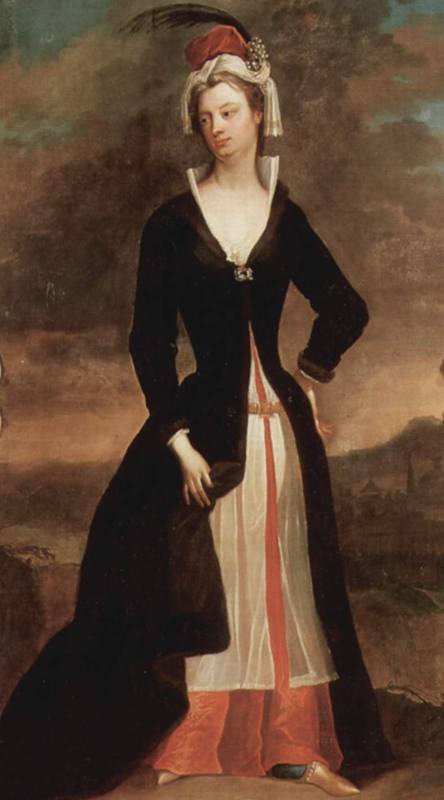 Read next · built on
Smallpox Inoculation in London and Boston (1721)
Before Jenner the only protection was variolation, which killed 1 to 2 percent of those inoculated. The 1721 story shows how that riskier method first entered England and Boston, and the numbers used to defend it.
Read this moment
Read next · built on
Smallpox Inoculation in London and Boston (1721)
Before Jenner the only protection was variolation, which killed 1 to 2 percent of those inoculated. The 1721 story shows how that riskier method first entered England and Boston, and the numbers used to defend it.
Read this moment
 Today on The Clinical Times
Florida dengue outbreak appears to be largest in continental U.S. in decades
Florida has reported more than 250 locally acquired dengue cases this year, with most in Hillsborough County, according to state health officials.
Read today’s top stories
Today on The Clinical Times
Florida dengue outbreak appears to be largest in continental U.S. in decades
Florida has reported more than 250 locally acquired dengue cases this year, with most in Hillsborough County, according to state health officials.
Read today’s top stories
All 526 moments in the history of medicine. This one is in chapter 3, Anatomy and observation
Connected moments
How this moment links to others in the history of medicine, and what you will find in each.
-
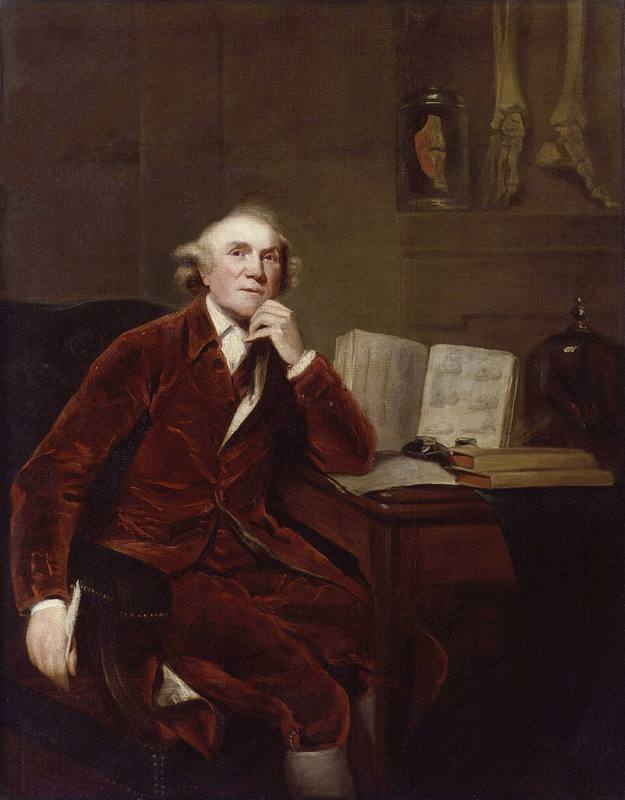 Same personc. 1768John Hunter and experimental surgeryJenner studied under John Hunter, who advised him by letter to test an idea by experiment. Hunter's story shows the surgeon who tested treatments on animals and against bread pills.Read this moment
-
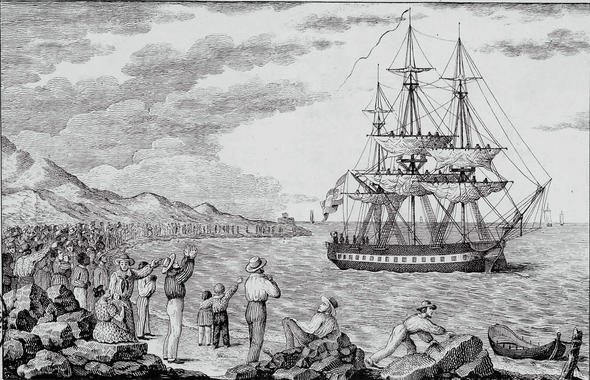 Led to1803The Balmis vaccine expeditionJenner's cowpox vaccine was carried across the Spanish empire by Balmis from 1803. His story shows orphan boys vaccinated arm to arm to keep the vaccine alive at sea, and about 500,000 people vaccinated.Read this moment
-
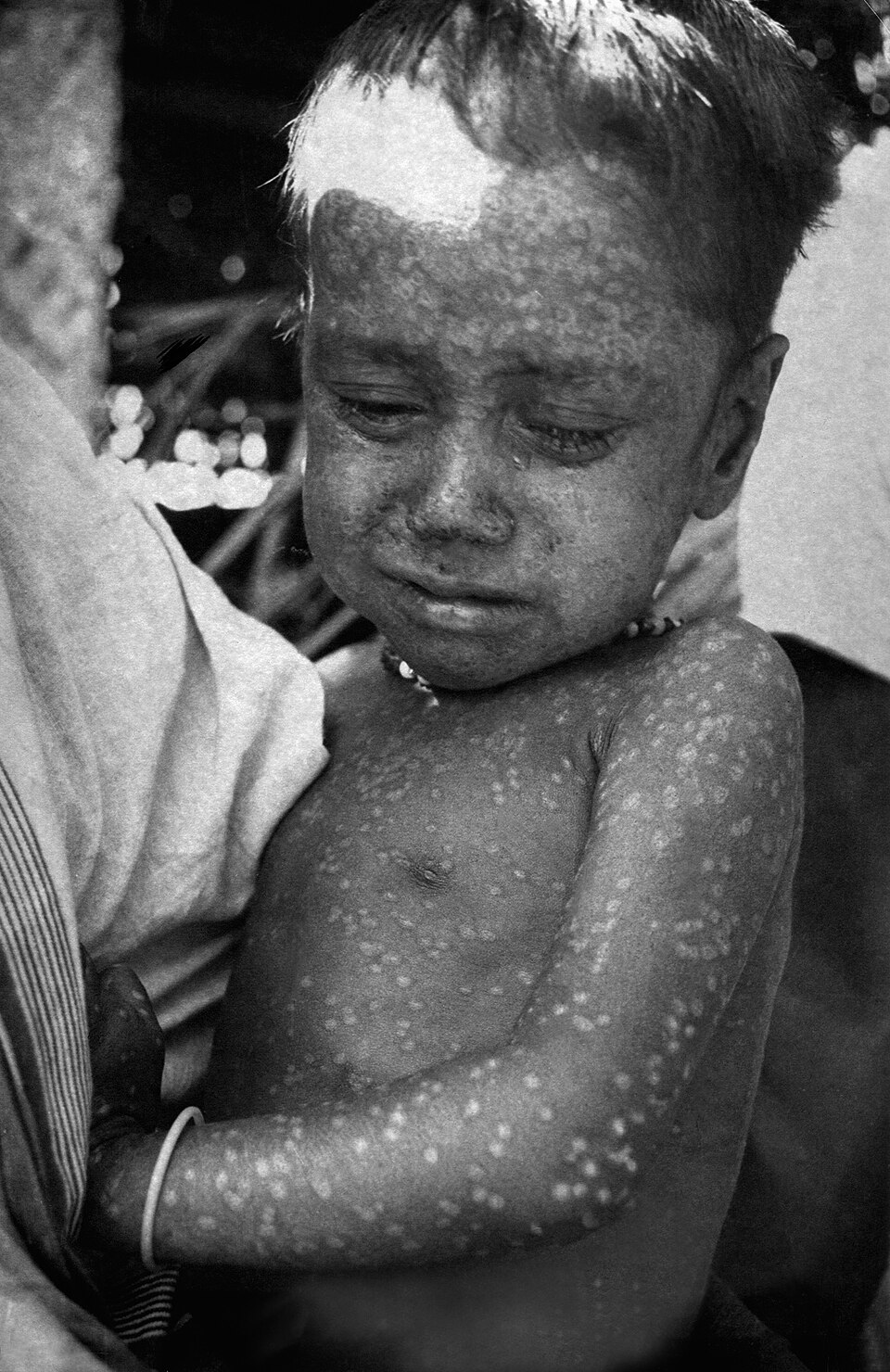 Led to1980Global Eradication of SmallpoxJenner's method eventually drove smallpox to eradication, declared by the World Health Assembly in 1980. That story shows the surveillance and ring vaccination that ended the only human disease ever eradicated.Read this moment