Genetics & Molecular
2012
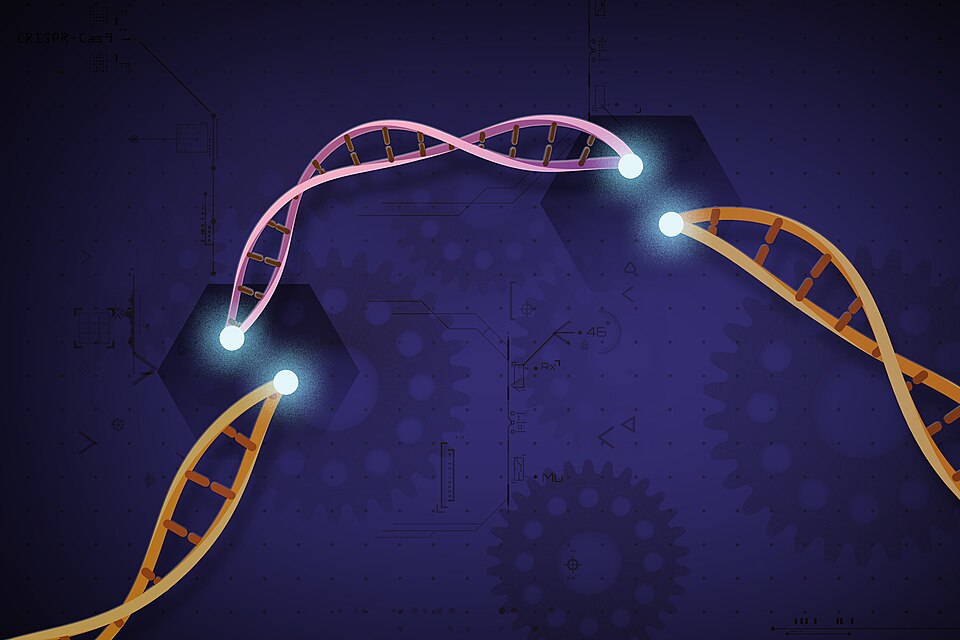
CRISPR-Cas9 Programmable Genome Editing
A single engineered guide RNA could direct the Cas9 protein to cut any chosen DNA sequence. Cheap and easy to reprogram, the method reached its first approved therapy in 2023 and earned the 2020 Nobel Prize in Chemistry.
Key people
- Jennifer Doudna
- Co-developer of CRISPR-Cas9 as a programmable editing tool; 2020 Nobel laureate.
- Emmanuelle Charpentier
- Co-developer; characterized the two-RNA guide mechanism; 2020 Nobel laureate.
- Martin Jinek
- First author of the 2012 Science paper; demonstrated in vitro DNA cleavage.
- Feng Zhang
- Adapted CRISPR-Cas9 for mammalian cells at the Broad Institute.
Source
Precise genome editing existed before CRISPR, but it was slow and expensive enough to limit its use to specialized laboratories with dedicated resources. Zinc-finger nucleases and transcription activator-like effector nucleases could cut specified DNA sequences, but designing each new construct required weeks of protein engineering and was not always reliable. The barrier to entry kept the technology largely in the hands of large biotechnology companies and well-funded academic groups.
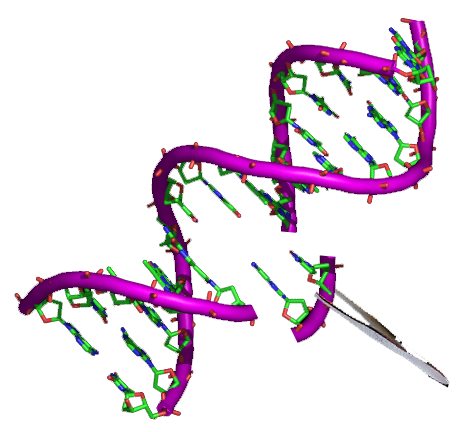
The biochemical foundation for CRISPR came from an unexpected source: bacterial adaptive immunity. Bacteria incorporate short fragments of viral DNA into their own genome in arrays called CRISPRs, and in the type Charpentier studied, RNA transcribed from these arrays guides the Cas9 protein to matching sequences in invading viruses, which Cas9 then cuts. Emmanuelle Charpentier, working at Umea University in Sweden, discovered tracrRNA, the second RNA of the system, in Streptococcus pyogenes and published the finding in 2011. Her collaboration with Jennifer Doudna at the University of California, Berkeley combined structural and biochemical approaches to engineer a simplified single guide RNA that could direct Cas9 to any target sequence.
A paper published in Science in August 2012, with Martin Jinek as first author, demonstrated that the two-component system could cut purified DNA at specified sites in vitro. The central finding was reprogrammability: changing the 20-nucleotide targeting sequence of the guide RNA was sufficient to redirect Cas9 to any new target. Double-strand cleavage could then be exploited either to disrupt a gene through non-homologous end joining or to insert a precise edit using a supplied repair template.
Laboratories adapted the system for mammalian cells within months; Feng Zhang's group at the Broad Institute reported multiplex editing in human and mouse cells in Science in early 2013. CAR-T cell trials using CRISPR-edited lymphocytes opened within a few years. The technology also generated a contentious patent dispute between the Doudna-Charpentier group and Zhang's laboratory, which had filed patents on applying the system in eukaryotic cells, and the legal proceedings continued for years.
In 2018, He Jiankui announced that he had used CRISPR to edit human embryos that were subsequently born as live infants, an action widely condemned for proceeding without adequate ethical oversight. Regulatory and scientific bodies called for a moratorium on clinical germline editing pending broader international consensus. On 16 November 2023 the UK MHRA authorized exagamglogene autotemcel (Casgevy), a CRISPR-based therapy, for sickle cell disease and transfusion-dependent beta-thalassemia, and on 8 December 2023 the FDA approved it for sickle cell disease, its first approval of a treatment using this kind of genome editing. Doudna and Charpentier received the 2020 Nobel Prize in Chemistry.
Keep exploring
 Read next · same disease or problem
Cohen and Boyer recombinant DNA cloning (1973)
Both gave biologists a way to cut DNA at chosen places, restriction enzymes in 1973 and a programmable guide RNA in 2012. The Cohen and Boyer entry shows the first cloning of foreign DNA in bacteria.
Read this moment
Read next · same disease or problem
Cohen and Boyer recombinant DNA cloning (1973)
Both gave biologists a way to cut DNA at chosen places, restriction enzymes in 1973 and a programmable guide RNA in 2012. The Cohen and Boyer entry shows the first cloning of foreign DNA in bacteria.
Read this moment
 Today on The Clinical Times
Florida dengue outbreak appears to be largest in continental U.S. in decades
Florida has reported more than 250 locally acquired dengue cases this year, with most in Hillsborough County, according to state health officials.
Read today’s top stories
Today on The Clinical Times
Florida dengue outbreak appears to be largest in continental U.S. in decades
Florida has reported more than 250 locally acquired dengue cases this year, with most in Hillsborough County, according to state health officials.
Read today’s top stories
All 526 moments in the history of medicine. This one is in chapter 7, Genes and pandemics
Connected moments
How this moment links to others in the history of medicine, and what you will find in each.
-
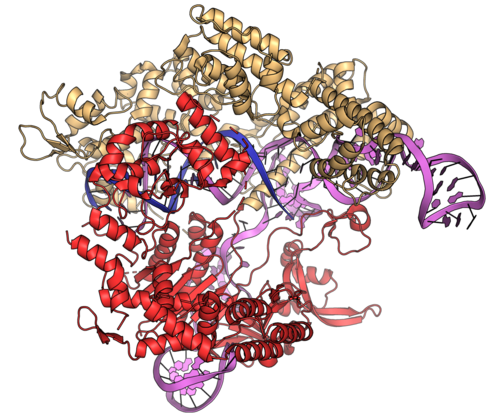 Led to2023Exagamglogene Autotemcel (Casgevy): First Approved CRISPR-Based TherapyCRISPR reached its first approved therapy in 2023, an edit that raises fetal hemoglobin in sickle cell disease. The Casgevy entry shows the treatment cleared in Britain and the United States.Read this moment
-
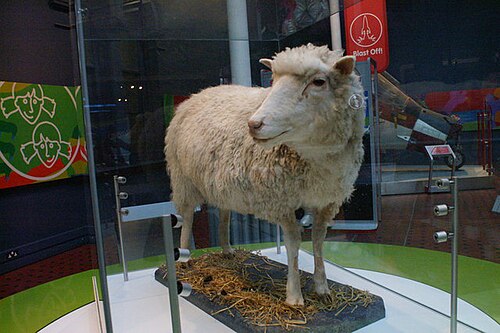 Same disease or problem1997Dolly the Cloned SheepBoth set off alarm over altering human reproduction, human cloning after Dolly and edited embryos after CRISPR. The Dolly entry shows the ban on federal funding for human cloning that followed.Read this moment
-
 Same disease or problem1990First Approved Human Gene Therapy (ADA-SCID, Ashanthi DeSilva)Gene therapy began by adding a working gene, and CRISPR made it possible to edit the gene itself. The ADA entry shows the first authorized gene therapy trial in 1990.Read this moment