Reproductive Health
2017
WOMAN Trial: Tranexamic Acid for Postpartum Hemorrhage
A randomized trial of 20,060 women found 1 g IV tranexamic acid reduced death from postpartum bleeding, most when given within 3 hours. WHO added it to its PPH treatment recommendation that year.

Key people
- Haleema Shakur
- Lead investigator; coordinated the multinational WOMAN trial
- Ian Roberts
- Co-investigator; led the London School of Hygiene and Tropical Medicine team
- Rizwana Chaudhri
- Principal investigator at the Rawalpindi site; one of the trial's largest enrolling centers
Source
Postpartum hemorrhage kills around 100,000 women every year, nearly all in low- and middle-income countries where blood banking, surgical capacity, and intensive care are limited. For decades, the standard response to excessive postpartum bleeding relied on uterotonic drugs, bimanual compression, and surgery, none of which directly address the hyperfibrinolysis that amplifies blood loss after delivery. Tranexamic acid, a cheap, stable antifibrinolytic with a long track record in surgery and trauma, had been studied in small obstetric trials, but no adequately powered randomized trial had tested whether it reduced mortality in established postpartum hemorrhage.
Haleema Shakur and Ian Roberts at the London School of Hygiene and Tropical Medicine designed the WOMAN trial to answer that question at scale. The trial randomized 20,060 women with postpartum hemorrhage at 193 hospitals across 21 countries to 1 g IV tranexamic acid or placebo. Enrollment ran from 2010 to 2016, drawing heavily on sites in Africa, Asia, and South America where postpartum hemorrhage mortality is highest. The infrastructure required to coordinate nearly 200 sites across that many countries represented one of the largest obstetric emergency trials ever conducted.
Death from bleeding fell from 1.9% in the placebo group to 1.5% in the tranexamic acid group, a reduction that was statistically significant. The more clinically decisive finding was the time-dependency: treatment within three hours of birth cut death from bleeding by approximately one third, while treatment after three hours showed no benefit at all. Laparotomy rates did not differ between groups, suggesting the drug reduced mortality through its antifibrinolytic mechanism rather than by making surgery unnecessary. There was no increase in thromboembolic events in the treated group.
The World Health Organization incorporated IV tranexamic acid into its postpartum hemorrhage treatment bundle in 2017, the same year the results appeared in The Lancet. The findings reinforced the lesson from the CRASH-2 trauma trial, also led by the same London School group: antifibrinolytics have a hard time window, and administering them after that window closes is futile. For clinicians in high-burden settings, the practical implication was to stop waiting for surgical backup and give tranexamic acid immediately when hemorrhage is diagnosed. The drug's low cost, heat stability, and wide availability made implementation feasible in the settings where the burden was greatest.
WOMAN also demonstrated that a rigorous, placebo-controlled mortality trial is achievable in obstetric emergencies, a design that had previously been considered ethically or logistically impractical.
Keep exploring
 Read next · same disease or problem
Magpie Trial: Magnesium Sulfate for Pre-eclampsia (2002)
Both were vast international trials testing a cheap drug against a leading cause of maternal death in poor countries. The Magpie entry shows magnesium sulfate cutting eclampsia by 58 percent.
Read this moment
Read next · same disease or problem
Magpie Trial: Magnesium Sulfate for Pre-eclampsia (2002)
Both were vast international trials testing a cheap drug against a leading cause of maternal death in poor countries. The Magpie entry shows magnesium sulfate cutting eclampsia by 58 percent.
Read this moment
 Today on The Clinical Times
Florida dengue outbreak appears to be largest in continental U.S. in decades
Florida has reported more than 250 locally acquired dengue cases this year, with most in Hillsborough County, according to state health officials.
Read today’s top stories
Today on The Clinical Times
Florida dengue outbreak appears to be largest in continental U.S. in decades
Florida has reported more than 250 locally acquired dengue cases this year, with most in Hillsborough County, according to state health officials.
Read today’s top stories
All 526 moments in the history of medicine. This one is in chapter 7, Genes and pandemics
Connected moments
How this moment links to others in the history of medicine, and what you will find in each.
-
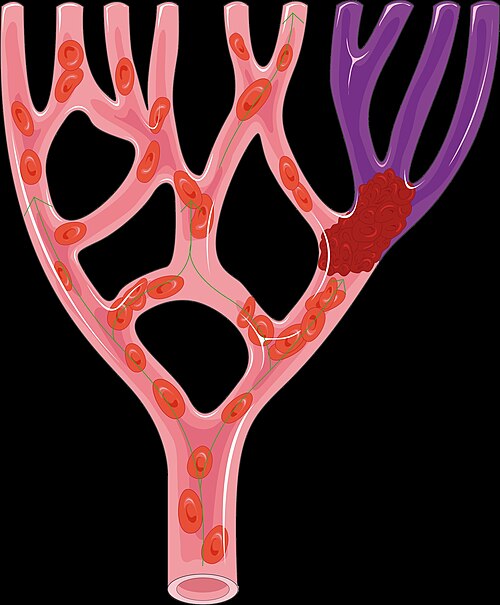 Same disease or problem1995NINDS rt-PA Stroke TrialBoth found a hard time window, tranexamic acid working only within three hours of birth and t-PA only within three hours of stroke. The NINDS entry shows the first drug treatment for stroke.Read this moment
-
 Same disease or problem1929Dam and the discovery of vitamin KBoth found a simple drug that prevents deadly bleeding, vitamin K in newborns and tranexamic acid in mothers after birth. Dam's entry shows bleeding chicks leading to the discovery of vitamin K.Read this moment