Reproductive Health
2002
Women's Health Initiative: Estrogen plus Progestin Hormone Therapy
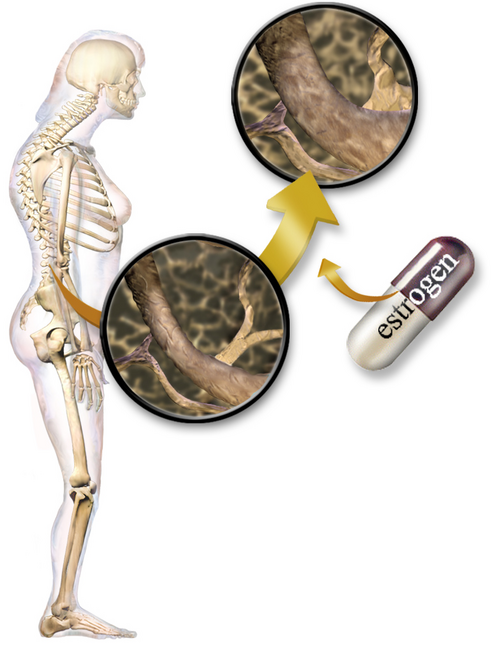
This randomized trial of 16,608 women was halted at 5.2 years when combined estrogen-progestin raised breast cancer, heart disease, stroke, and clot risk. It ended the assumption that hormone therapy protected the heart, and prescribing fell sharply.
Key people
- Jacques Rossouw
- WHI project officer, National Heart, Lung, and Blood Institute
- Garnet Anderson
- Statistician, WHI Clinical Coordinating Center
- JoAnn Manson
- Principal investigator, Brigham and Women's Hospital
Source
US prescriptions for postmenopausal hormones rose from 58 million in 1995 to 90 million in 1999, about 15 million women a year, and most of the growth came from combined estrogen-progestin pills, chiefly Prempro. Its popularity rested largely on observational data, particularly the Nurses' Health Study, which suggested that postmenopausal women taking hormones had substantially lower rates of coronary disease. That signal was strong enough that preventing heart disease became a leading reason to prescribe, alongside relief of menopausal symptoms. The Women's Health Initiative was designed to test that assumption in a proper randomized trial.
The estrogen-plus-progestin arm enrolled 16,608 postmenopausal women with an intact uterus at 40 clinical centers across the United States, randomizing them to conjugated equine estrogen at 0.625 mg plus medroxyprogesterone acetate at 2.5 mg daily, or matching placebo. Planned follow-up was 8.5 years. Jacques Rossouw of the National Heart, Lung, and Blood Institute was the project officer and first author of the main report; Garnet Anderson coordinated the statistical analysis, and JoAnn Manson was principal investigator at the Brigham and Women's Hospital site.
On May 31, 2002, after a mean of 5.2 years, the data and safety monitoring board recommended stopping the estrogen-progestin arm because the test statistic for invasive breast cancer had crossed its stopping boundary; the hazard ratio for breast cancer was 1.26, or about eight additional cases per 10,000 person-years. Coronary heart disease, stroke, and pulmonary embolism were all elevated in the hormone arm, while hip fractures and colorectal cancers were less frequent. There was no cardiovascular benefit, and the results contradicted directly the observational literature that had driven prescribing for nearly two decades.
The JAMA paper appeared in July 2002 and drew wide attention outside medicine. Prescriptions for Prempro, the combined pill used in the trial, fell by 66% in the first half of 2003 compared with the first half of 2002, and Premarin prescriptions fell by 33%. Many patients contacted their physicians to stop treatment; many physicians stopped initiating it. Total US hormone prescriptions were projected to fall to about 57 million in 2003, back to the level of 1995.
Participants had a mean age of 63.3, and many had been postmenopausal for years before enrollment. A 2007 secondary analysis of both WHI hormone trials found a hazard ratio for coronary heart disease of 0.76 in women less than 10 years past menopause and 1.28 in women 20 or more years past it, the basis of the timing hypothesis. The North American Menopause Society's 2022 position statement judged the benefit-risk ratio favorable for treating symptoms in women under 60 or within 10 years of menopause, and less favorable for women who start later.
Keep exploring
 Read next · built on
Nurses' Health Study (1976)
Hormone prescribing rested largely on Nurses' Health Study data suggesting protection from heart disease, which the WHI trial set out to test. The Nurses' entry shows how its data were later reinterpreted by timing of use.
Read this moment
Read next · built on
Nurses' Health Study (1976)
Hormone prescribing rested largely on Nurses' Health Study data suggesting protection from heart disease, which the WHI trial set out to test. The Nurses' entry shows how its data were later reinterpreted by timing of use.
Read this moment
 Today on The Clinical Times
Florida dengue outbreak appears to be largest in continental U.S. in decades
Florida has reported more than 250 locally acquired dengue cases this year, with most in Hillsborough County, according to state health officials.
Read today’s top stories
Today on The Clinical Times
Florida dengue outbreak appears to be largest in continental U.S. in decades
Florida has reported more than 250 locally acquired dengue cases this year, with most in Hillsborough County, according to state health officials.
Read today’s top stories
All 526 moments in the history of medicine. This one is in chapter 7, Genes and pandemics
Connected moments
How this moment links to others in the history of medicine, and what you will find in each.
-
 Same disease or problem2004Women's Health Initiative: Estrogen-Alone Hormone TherapyThe companion WHI trial tested estrogen alone in women without a uterus and also found no net benefit. It shows unchanged heart disease, more strokes and fewer breast cancers.Read this moment
-
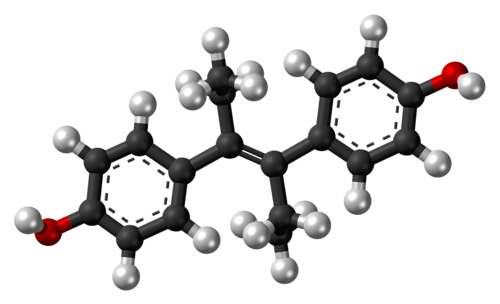 Same disease or problem1971Diethylstilbestrol (DES) and Vaginal Clear-Cell AdenocarcinomaBoth estrogen treatments were widely prescribed on a belief of benefit that controlled evidence later overturned. The DES entry shows a pregnancy drug causing cancer in daughters years later.Read this moment
-
 Same disease or problem1998NSABP P-1 Breast Cancer Prevention Trial (tamoxifen)Estrogen with progestin raised breast cancer risk, and tamoxifen, which cut estrogen receptor positive tumors, lowered it. The P-1 entry shows invasive breast cancer cut by about half in high-risk women.Read this moment