Oncology
1998
NSABP P-1 Breast Cancer Prevention Trial (tamoxifen)
A trial in 13,388 women at increased risk showed that tamoxifen cut invasive breast cancer by about half, and the FDA approved the drug for risk reduction in October 1998.

Key people
- Bernard Fisher
- Pittsburgh NSABP investigator and first author of the 1998 P-1 report
- Victor Vogel
- University of Pittsburgh physician, P-1 co-author and first author of the 2006 STAR report
- D. Lawrence Wickerham
- NSABP investigator and third author of both the P-1 and STAR reports
Source
Before 1998, tamoxifen was a treatment for breast cancer, not a way to prevent it. Women at high risk, because of age, a prior lobular carcinoma in situ or atypical biopsy, or a high Gail model score, had no drug proven to lower that risk. The idea came from adjuvant trials in which women given tamoxifen developed fewer cancers in the opposite breast, and in 1992 the National Surgical Adjuvant Breast and Bowel Project, whose report was led by Bernard Fisher, began the P-1 trial.
The NSABP P-1 trial randomized 13,388 women aged 60 or older, aged 35 to 59 with a five-year Gail risk of at least 1.66 percent, or with lobular carcinoma in situ, to tamoxifen 20 mg daily or placebo for five years. The trial was unblinded early because of the positive results; through 69 months invasive breast cancer occurred at 22.0 per 1,000 women on tamoxifen against 43.4 on placebo, a 49% reduction. The FDA approved tamoxifen for risk reduction in high-risk women on October 29, 1998.
The benefit was not distributed evenly across tumor biology. The reduction held in every age group, from 44 percent in women 49 or younger to 55 percent in those 60 or older, and noninvasive breast cancer fell by half. Estrogen receptor-positive tumors fell by 69 percent, while ER-negative cancers were unaffected, as tamoxifen's mechanism would predict. On the other side of the ledger, tamoxifen increased rates of endometrial cancer, stroke, deep venous thrombosis and pulmonary embolism, mainly in women aged 50 or older. All the endometrial cancers on tamoxifen were stage I, and hip, wrist and spine fractures became less common.
The NSABP's next prevention trial, STAR, began in 1999 and compared tamoxifen with raloxifene in 19,747 postmenopausal women; the two drugs prevented invasive breast cancer equally well (163 against 168 cases). The aromatase inhibitors then showed the same effect in high-risk postmenopausal women: exemestane in the MAP.3 trial (2011) and anastrozole in IBIS-II (2014), where breast cancer occurred in 2 percent against 4 percent on placebo.
Victor Vogel of the University of Pittsburgh was first author of the 2006 STAR report, which also counted 36 uterine cancers on tamoxifen against 23 on raloxifene. Uptake of tamoxifen for prevention stayed low; the MAP.3 investigators wrote in 2011 that tamoxifen and raloxifene had limited patient acceptance. After seven years of follow-up, invasive breast cancer in P-1 was still 43 percent lower with tamoxifen, 24.8 against 42.5 cases per 1,000 women.
Keep exploring
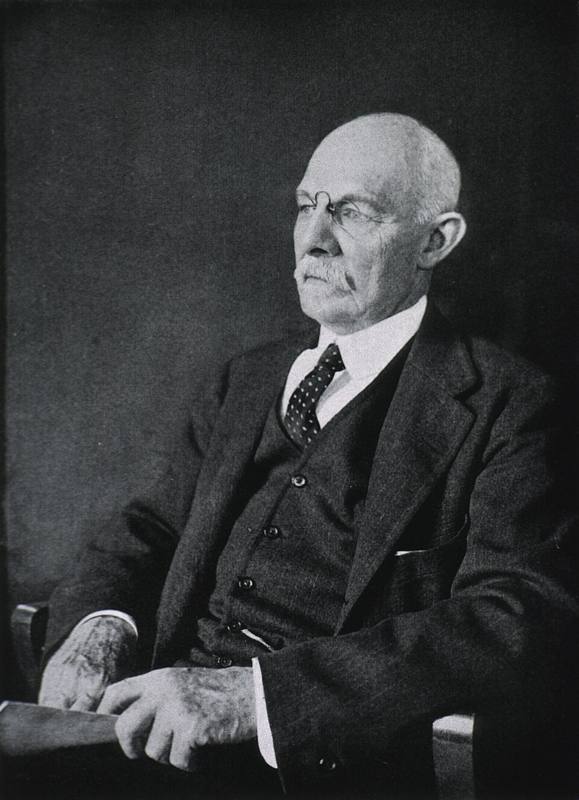 Read next · same person
Halsted's radical mastectomy (1894)
Bernard Fisher, who led the P-1 report, had earlier shown that smaller operations matched Halsted's radical mastectomy. Halsted's entry shows the operation and the trials that retired it.
Read this moment
Read next · same person
Halsted's radical mastectomy (1894)
Bernard Fisher, who led the P-1 report, had earlier shown that smaller operations matched Halsted's radical mastectomy. Halsted's entry shows the operation and the trials that retired it.
Read this moment
 Today on The Clinical Times
Florida dengue outbreak appears to be largest in continental U.S. in decades
Florida has reported more than 250 locally acquired dengue cases this year, with most in Hillsborough County, according to state health officials.
Read today’s top stories
Today on The Clinical Times
Florida dengue outbreak appears to be largest in continental U.S. in decades
Florida has reported more than 250 locally acquired dengue cases this year, with most in Hillsborough County, according to state health officials.
Read today’s top stories
All 526 moments in the history of medicine. This one is in chapter 6, Trials, scanners and rights
Connected moments
How this moment links to others in the history of medicine, and what you will find in each.
-
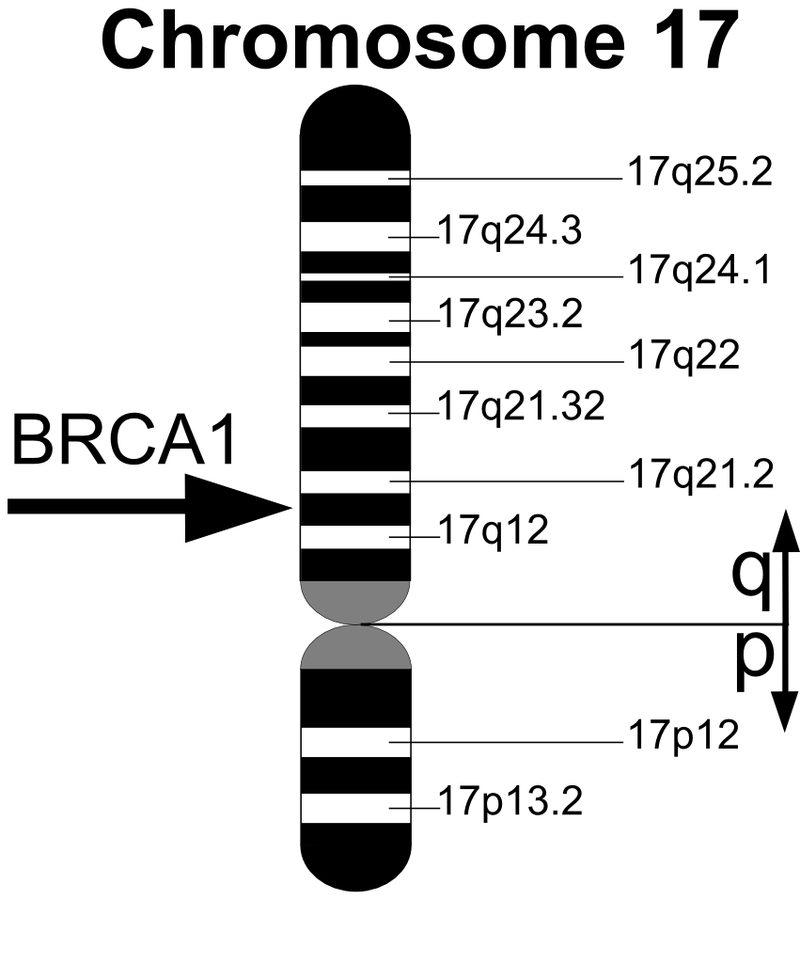 Same disease or problem1994The BRCA1 geneBoth concern women at raised risk of breast cancer, BRCA1 by finding inherited risk and tamoxifen by lowering risk. The BRCA1 entry shows how family studies led to clinical mutation testing.Read this moment
-
 Same disease or problem2005Early Breast Cancer Trialists' Collaborative Group (EBCTCG) overview of adjuvant tamoxifenP-1 grew from adjuvant tamoxifen trials, the kind of trials the Oxford overview pooled to measure the drug's effect. The EBCTCG entry shows five years of tamoxifen cutting breast cancer deaths by 31 percent.Read this moment
-
 Same disease or problem1941Huggins and hormonal treatment of prostate cancerBoth turned hormones against cancer, blocking estrogen in the breast and testosterone in the prostate. The Huggins entry shows castration or estrogen suppressing advanced prostate cancer.Read this moment