Research Methods & Ethics
1992
Evidence-based medicine: a new approach to teaching the practice of medicine
Guyatt and the JAMA Working Group gave the term evidence-based medicine its definition, asking physicians to weight clinical research over unsystematic experience. It reset how medicine is taught and how guidelines are built.
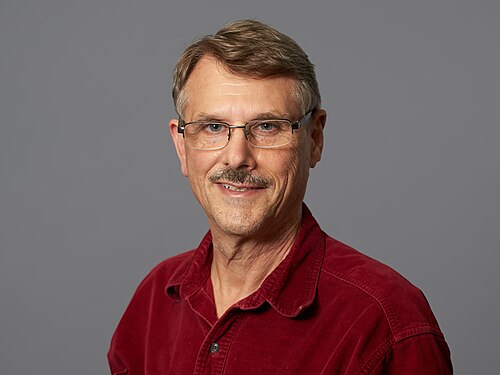
Key people
- Gordon Guyatt
- Coined the term and led the EBM Working Group at McMaster University
- Evidence-Based Medicine Working Group
- Collaborative authoring group that published the 1992 JAMA framework
- David Sackett
- McMaster internist and clinical epidemiologist who shaped EBM's foundational methods
- Brian Haynes
- McMaster clinical epidemiologist in the Health Information Research Unit, which produced ACP Journal Club
Source
In the early 1990s, most clinical teaching still organized itself around the authority of the senior clinician. Attending physicians taught by example and distilled experience; pathophysiologic reasoning determined what treatment should work; and the notion that a busy practitioner should read and appraise primary literature was largely aspirational. At McMaster University in Hamilton, Ontario, Gordon Guyatt had been building an alternative into his residency program, one that made published research a main tool of clinical reasoning, not an occasional supplement.
Guyatt coined the phrase evidence-based medicine in a March 1991 ACP Journal Club editorial, but the idea reached a wider audience through the 1992 JAMA paper written by the Evidence-Based Medicine Working Group, a collaborative based at McMaster. The paper's argument was direct: unsystematic clinical experience and pathophysiologic reasoning were insufficient guides to patient care; physicians needed to locate, appraise, and apply published research in a systematic and explicit way. It described a framework, not just a slogan.
A year later, in November 1993, JAMA began the Users' Guides to the Medical Literature, a companion series of 25 articles that ran until 2000 with the help of JAMA editor Drummond Rennie. Those guides were practical and specific: they taught physicians how to read a randomized trial, how to interpret confidence intervals, when to trust subgroup analyses, and how to use likelihood ratios at the bedside. The series addressed clinical questions by specialty and study design, giving the framework enough operational detail to actually change how residents read journals.
Medical schools began teaching EBM within a few years, and structured summaries such as ACP Journal Club, produced by McMaster's Health Information Research Unit with the American College of Physicians, gave clinicians appraised research each month. The concept also changed how guidelines were built: instead of relying on expert consensus alone, panels began grading recommendations by the quality of the supporting evidence.
Criticism of EBM has been persistent and occasionally sharp. Detractors argued that the framework devalued clinical judgment, that it worked poorly for patients who did not resemble trial populations, and that industry could manipulate the evidence base to favor commercially favorable conclusions. Later proponents, including Guyatt himself, refined the original framework to explicitly incorporate patient values and clinical context alongside research evidence, acknowledging that applying population-level data to individual patients required interpretation, not just retrieval.
Keep exploring
 Read next · same person
CONSORT Statement (1996)
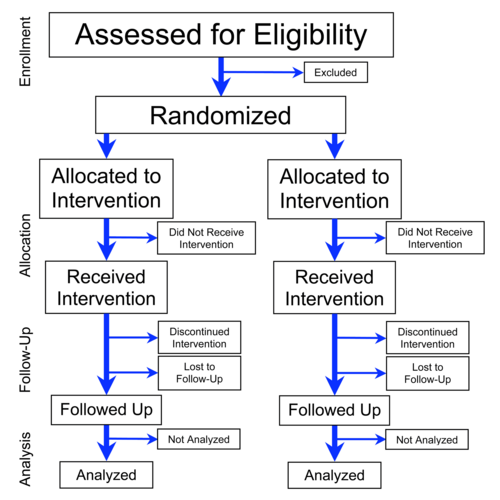
Drummond Rennie, the JAMA editor who helped run the evidence-based medicine guides, also helped merge rival proposals into CONSORT. The CONSORT entry shows the 21-item checklist journals adopted.
Read this moment
Read next · same person
CONSORT Statement (1996)
Drummond Rennie, the JAMA editor who helped run the evidence-based medicine guides, also helped merge rival proposals into CONSORT. The CONSORT entry shows the 21-item checklist journals adopted.
Read this moment
 Today on The Clinical Times
Florida dengue outbreak appears to be largest in continental U.S. in decades
Florida has reported more than 250 locally acquired dengue cases this year, with most in Hillsborough County, according to state health officials.
Read today’s top stories
Today on The Clinical Times
Florida dengue outbreak appears to be largest in continental U.S. in decades
Florida has reported more than 250 locally acquired dengue cases this year, with most in Hillsborough County, according to state health officials.
Read today’s top stories
All 526 moments in the history of medicine. This one is in chapter 6, Trials, scanners and rights
Connected moments
How this moment links to others in the history of medicine, and what you will find in each.
- Same disease or problem1972Cochrane, 'Effectiveness and Efficiency'Both argued that treatments should be judged by trial evidence, not by habit or authority. Cochrane's entry shows the short book that urged the NHS to find out which treatments work.Read this moment
-
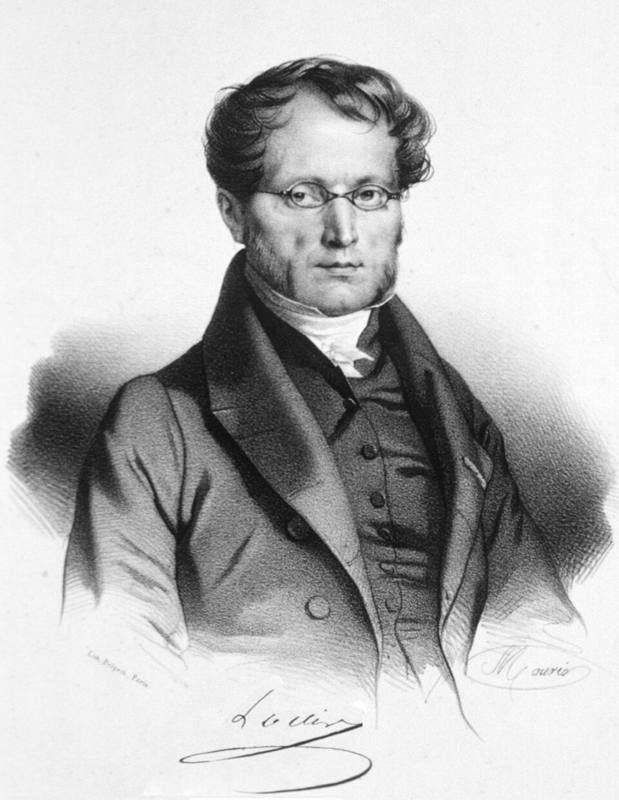 Same disease or problem1835Louis's numerical study of bloodlettingLouis counted outcomes to test bloodletting instead of trusting authority, the approach evidence-based medicine made a teaching method. His entry shows how numbers exposed the limits of a standard treatment.Read this moment
-
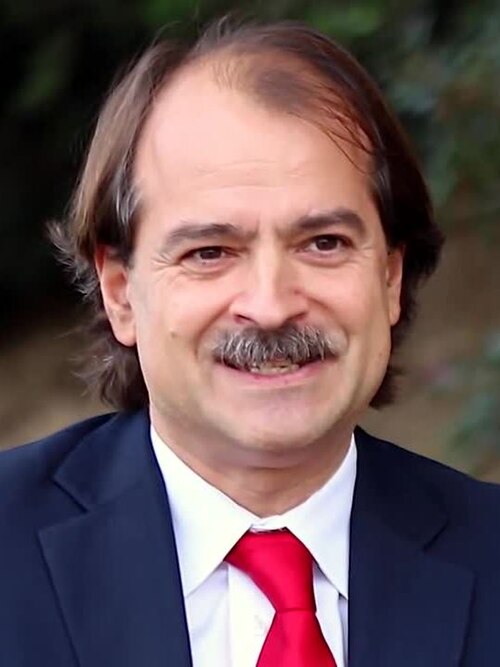 Same disease or problem2005Ioannidis, "Why Most Published Research Findings Are False"Evidence-based medicine asked doctors to rely on published research, and Ioannidis asked how much of it can be trusted. His entry shows why small, flexible studies often report findings that are false.Read this moment