Cardiology
2000
HOPE (Heart Outcomes Prevention Evaluation)
In 9,297 high-risk patients without known heart failure or low ejection fraction, ramipril cut cardiovascular death, MI and stroke from 17.8% to 14.0%. The small fall in office blood pressure seemed to explain only part of the benefit.

Key people
- Salim Yusuf
- McMaster University cardiologist and first author of the HOPE and ONTARGET reports
- Eva Lonn
- McMaster investigator and first author of the SECURE carotid ultrasound substudy of HOPE
- Jackie Bosch
- McMaster co-author of the 2000 HOPE report
Source
ACE inhibitors had established roles in heart failure and in patients with reduced ejection fraction after myocardial infarction, where their benefit was attributed to reducing afterload and attenuating ventricular remodeling. HOPE asked a different question: whether ACE inhibition could reduce cardiovascular events in high-risk patients who did not have heart failure or depressed LV function, so that the drug would be given for vascular protection. Far more patients would qualify on that basis.
HOPE enrolled 9,297 patients aged 55 or older with established vascular disease or diabetes plus at least one other cardiovascular risk factor who were not known to have heart failure or a low ejection fraction. Patients were randomized to ramipril 10 mg daily or placebo for a mean of five years, in a two-by-two factorial design that also tested vitamin E. The composite primary endpoint of cardiovascular death, myocardial infarction, and stroke occurred in 14.0% of the ramipril group and 17.8% of the placebo group, a relative risk reduction of 22%. Each component of the composite was reduced individually. Death from any cause fell from 12.2% to 10.4%, and heart failure, revascularization and diabetes-related complications were also less frequent. Salim Yusuf of McMaster University was first author of the report.
The mean fall in office blood pressure was modest, about 3 mmHg systolic and 2 mmHg diastolic, and could account for only part of the benefit. That gap prompted theories of direct vascular effects, and the SECURE substudy found slower progression of carotid wall thickening on ramipril 10 mg. But ramipril was given at bedtime while pressure was measured in the daytime, and in a 2001 substudy of 38 patients with peripheral arterial disease, 24-hour ambulatory pressure fell by 10/4 mmHg and nighttime pressure by 17/8 mmHg, suggesting that office readings understated the drug's effect on blood pressure.
The MICRO-HOPE report on the 3,577 patients with diabetes found reductions of 25% in the combined primary outcome, 37% in cardiovascular death, 24% in total mortality and 24% in overt nephropathy. The benefit held after adjustment for small changes in blood pressure, and the investigators described the effect as vasculoprotective and renoprotective.
The same McMaster group, again led by Yusuf, went on to run ONTARGET in patients with vascular disease or high-risk diabetes. That trial randomized 25,620 patients to ramipril, telmisartan or both; over a median of 56 months telmisartan proved equivalent to ramipril, with less angioedema, and the combination added no benefit while causing more renal dysfunction.
Keep exploring
 Read next · built on
SOLVD Treatment Trial (1991)
ACE inhibitors had proven themselves in heart failure, as in SOLVD, and HOPE asked whether they protect patients without it. The SOLVD entry shows enalapril cutting deaths by 16 percent in milder heart failure.
Read this moment
Read next · built on
SOLVD Treatment Trial (1991)
ACE inhibitors had proven themselves in heart failure, as in SOLVD, and HOPE asked whether they protect patients without it. The SOLVD entry shows enalapril cutting deaths by 16 percent in milder heart failure.
Read this moment
 Today on The Clinical Times
Florida dengue outbreak appears to be largest in continental U.S. in decades
Florida has reported more than 250 locally acquired dengue cases this year, with most in Hillsborough County, according to state health officials.
Read today’s top stories
Today on The Clinical Times
Florida dengue outbreak appears to be largest in continental U.S. in decades
Florida has reported more than 250 locally acquired dengue cases this year, with most in Hillsborough County, according to state health officials.
Read today’s top stories
All 526 moments in the history of medicine. This one is in chapter 7, Genes and pandemics
Connected moments
How this moment links to others in the history of medicine, and what you will find in each.
-
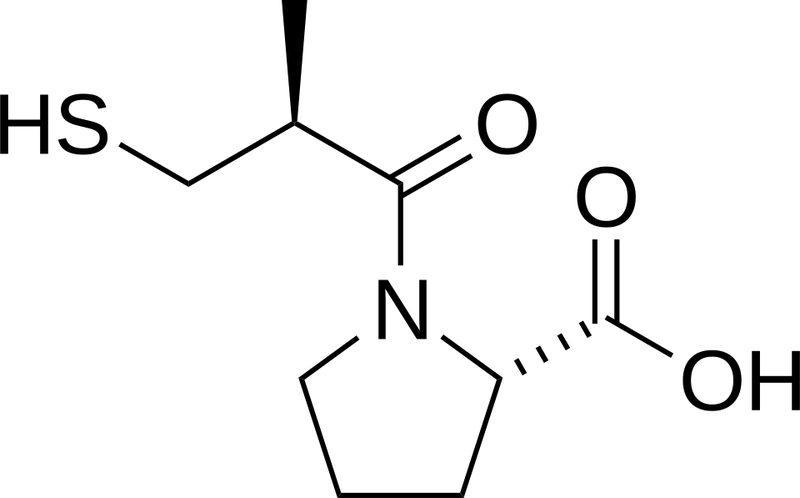 Built on1981Captopril, the first ACE inhibitorHOPE tested ramipril, a member of the ACE inhibitor class that captopril opened in 1981. The captopril entry shows how snake venom and a model of an enzyme led to the first oral ACE inhibitor.Read this moment
-
 Same person1988ISIS-2 (Second International Study of Infarct Survival)Salim Yusuf, first author of HOPE, was also part of the Oxford ISIS-2 team. The ISIS-2 entry shows aspirin and streptokinase cutting deaths after heart attack.Read this moment
-
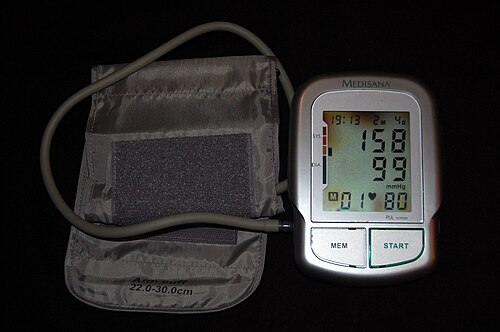 Same disease or problem2015SPRINT (Systolic Blood Pressure Intervention Trial)HOPE's benefit seemed larger than its small fall in blood pressure explained, and SPRINT tested how low blood pressure should go. It shows a systolic target below 120 cutting cardiovascular events by about a quarter.Read this moment