Reproductive Health
1991
MRC Vitamin Study: Folic Acid Prevents Neural Tube Defect Recurrence
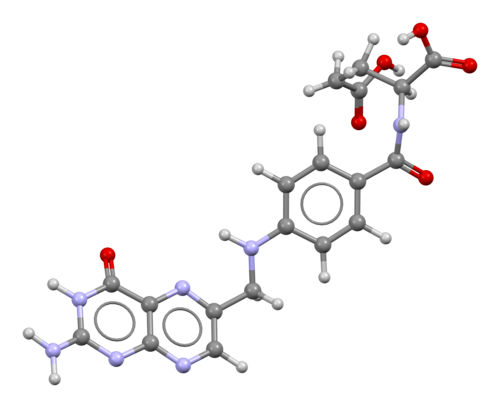
A randomized double-blind trial of 1,817 high-risk women found folic acid cut neural tube defect recurrence by 72% (RR 0.28). The result drove folic acid recommendations and mandatory grain fortification in many countries.
Key people
- Nicholas Wald
- Epidemiologist who designed the MRC Vitamin Study and led its analysis
- Richard Smithells
- Leeds pediatrician whose 1980 reports suggested periconceptional vitamins might prevent neural tube defects
- Andrew Czeizel
- Hungarian geneticist whose complementary RCT confirmed primary prevention by folic acid
Source
Neural tube defects, principally spina bifida and anencephaly, were among the more common serious congenital malformations in the United Kingdom and North America in the mid-twentieth century. Affected pregnancies typically ended in termination after prenatal diagnosis, in stillbirth, or in the birth of a child with permanent disability. Women who had had one affected pregnancy faced a recurrence risk well above the background rate. In 1980 Richard Smithells and colleagues in Leeds reported that vitamin supplements taken around conception might prevent recurrences, but the evidence was observational and the mechanism unknown.
Nicholas Wald, an epidemiologist with experience in antenatal screening, designed the Medical Research Council Vitamin Study to test periconceptional supplementation prospectively. The trial enrolled 1,817 women who had a previous pregnancy affected by a neural tube defect, a high-risk population chosen to maximize the statistical power to detect an effect. Participants were randomized to one of four groups: folic acid alone, a mixture of other vitamins, both together, or neither. Enrollment took place at 33 centers in seven countries, and the other-vitamin mixture contained vitamins A, D, B1, B2, B6 and C and nicotinamide.
Of 1,195 women with a completed pregnancy of known outcome, 27 had a pregnancy with a neural tube defect: 6 in the folic acid groups and 21 in the others. Women who received folic acid had a 72% lower recurrence risk compared to those who did not (relative risk 0.28, 95% CI 0.12-0.71). The other vitamins conferred no detectable benefit. No harm from folic acid was found, though the trial could not detect rare or slight adverse effects, and the authors recommended supplementation before pregnancy for all women who had had an affected pregnancy. The results were published in the Lancet in July 1991.
Policy responses were swift. In September 1992 the U.S. Public Health Service recommended that all women of childbearing age who could become pregnant take 400 micrograms of folic acid daily. A complementary randomized trial by Czeizel and Dudas in Hungary, published in 1992, showed that folic acid supplementation reduced primary occurrence of neural tube defects in women with no prior affected pregnancy. Together, the two trials established that the intervention worked in both primary and secondary prevention. From 1998 the United States required enriched cereal grain products to carry 140 micrograms of folic acid per 100 grams.
After fortification, the birth prevalence of anencephaly and spina bifida in the United States fell by 28 percent overall, and by 35 percent in surveillance programs that counted prenatally diagnosed cases; the CDC estimated about 1,326 affected births averted each year. Canada, Chile, and numerous other countries followed with mandatory fortification programs; countries without such programs have continued to document higher rates. Folate acts as a methyl donor in one-carbon metabolism, but the exact developmental step it protects at the time of neural tube closure, around day 28 after fertilization, is still being studied.
Keep exploring
 Read next · same disease or problem
Lind's Scurvy Trial on HMS Salisbury (1747)
Both used a controlled comparison to show that one nutrient prevents a disease, and that other remedies did not. Lind's entry shows sailors given six treatments, with oranges and lemons working best.
Read this moment
Read next · same disease or problem
Lind's Scurvy Trial on HMS Salisbury (1747)
Both used a controlled comparison to show that one nutrient prevents a disease, and that other remedies did not. Lind's entry shows sailors given six treatments, with oranges and lemons working best.
Read this moment
 Today on The Clinical Times
Florida dengue outbreak appears to be largest in continental U.S. in decades
Florida has reported more than 250 locally acquired dengue cases this year, with most in Hillsborough County, according to state health officials.
Read today’s top stories
Today on The Clinical Times
Florida dengue outbreak appears to be largest in continental U.S. in decades
Florida has reported more than 250 locally acquired dengue cases this year, with most in Hillsborough County, according to state health officials.
Read today’s top stories
All 526 moments in the history of medicine. This one is in chapter 6, Trials, scanners and rights
Connected moments
How this moment links to others in the history of medicine, and what you will find in each.
-
 Led to1992Czeizel & Dudas: Folic Acid Prevents First-Occurrence Neural Tube DefectsThe MRC trial covered only recurrences, and the Hungarian trial answered the next question, first occurrences. Its entry shows no neural tube defects among women given folic acid against six among controls.Read this moment
- Same disease or problem1924Iodized salt and the prevention of goiterBoth led to adding a nutrient to everyday food for everyone, folic acid to grain and iodine to salt. The iodized salt entry shows goiter falling and cretinism vanishing after fortification.Read this moment