Public Health
1847
Hand washing prevents childbed fever
Semmelweis found that having doctors and students clean their hands in a chlorine solution between patients cut deaths from puerperal fever on his maternity ward from 18 percent in April 1847 to about 2 percent in the months that followed. The finding came decades before germ theory explained why.
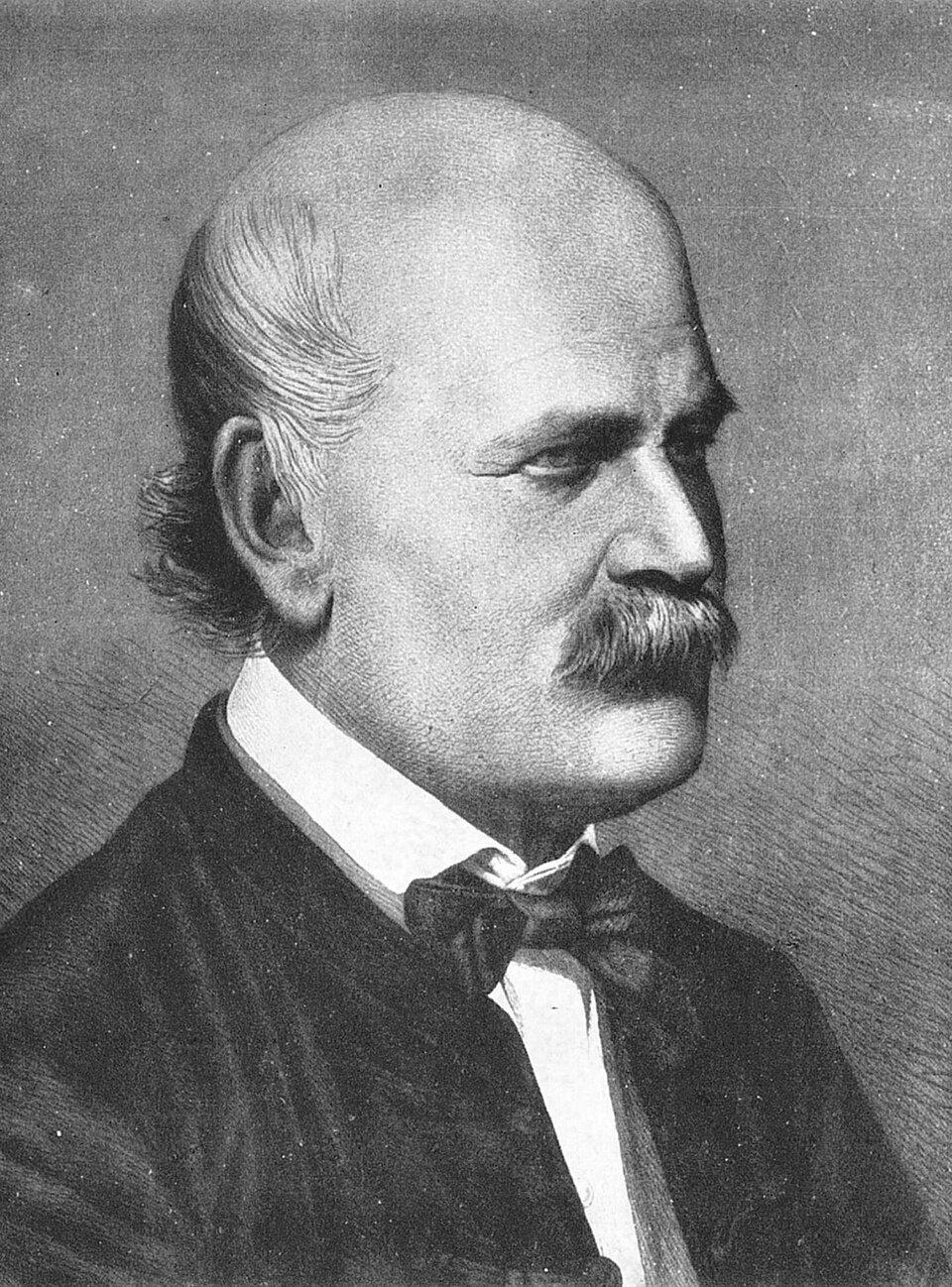
Key people
- Ignaz Semmelweis
- Obstetrician at Vienna General Hospital who instituted mandatory hand washing
- Jakob Kolletschka
- Colleague whose fatal autopsy-wound infection prompted Semmelweis's investigation
Source
In the 1840s, puerperal fever killed women on maternity wards at rates that physicians accepted as more or less inevitable. Vienna General Hospital had two adjacent maternity divisions: the First, staffed by medical students and physicians who also performed autopsies, and the Second, staffed by midwives who had no contact with the morgue. The gap in deaths between them was well known, and women begged to be placed in the Second Division. From 1840 to 1846, 11.3 percent of women admitted to the First Division died of puerperal fever, a far higher rate than in the Second.
Ignaz Semmelweis, a Hungarian-born obstetrician working as an assistant in the First Division, was shaken by the death in March 1847 of his colleague and friend Jakob Kolletschka, a professor of forensic medicine. Kolletschka died of an overwhelming septic illness after a student's knife pricked his finger during an autopsy. The findings at Kolletschka's autopsy, Semmelweis noticed, matched those of women who died of puerperal fever. He concluded that physicians and students were carrying particles from corpses on their hands from the autopsy table to the delivery room.
In mid-May 1847, Semmelweis required students and physicians on the First Division to wash their hands in a chlorinated lime solution between patients. Deaths on the division fell from 18.3 percent in April to about 3 percent by July, with brief rises to about 4 percent that autumn after lapses in washing. In 1848, the only full calendar year of hand washing under Semmelweis, the First Division's rate was 1.3 percent, the same as the midwives' ward. Semmelweis had no germ theory to explain the result; he could describe the contaminant only as "cadaverous particles."
His chief, Johann Klein, credited a new ventilation system for the fall and refused to renew Semmelweis's post, which ended in March 1849. Ferdinand von Hebra published the results in December 1847, but Austrian doctors did not adopt them. Semmelweis returned to Pest and in 1851 became head physician at the city's Szent Rókus Hospital. He published his data and arguments in "Die Aetiologie, der Begriff und die Prophylaxis des Kindbettfiebers" in 1861, and the book was poorly received. Semmelweis died in a Vienna asylum on August 13, 1865, of blood poisoning from a wound that may have come from a beating he received there.
His work won wide recognition only after Louis Pasteur's germ theory and Joseph Lister's antiseptic surgery of 1867, about 20 years after his death. Others had suspected the same route of spread: Alexander Gordon in Aberdeen in 1795 and Oliver Wendell Holmes in Boston in 1843 argued that birth attendants carried puerperal fever. The CDC's 2002 hand hygiene guideline calls the Vienna intervention the first evidence that cleaning heavily contaminated hands with an antiseptic between patients may reduce hospital spread of disease more than washing with plain soap and water.
Keep exploring
 Read next · same disease or problem
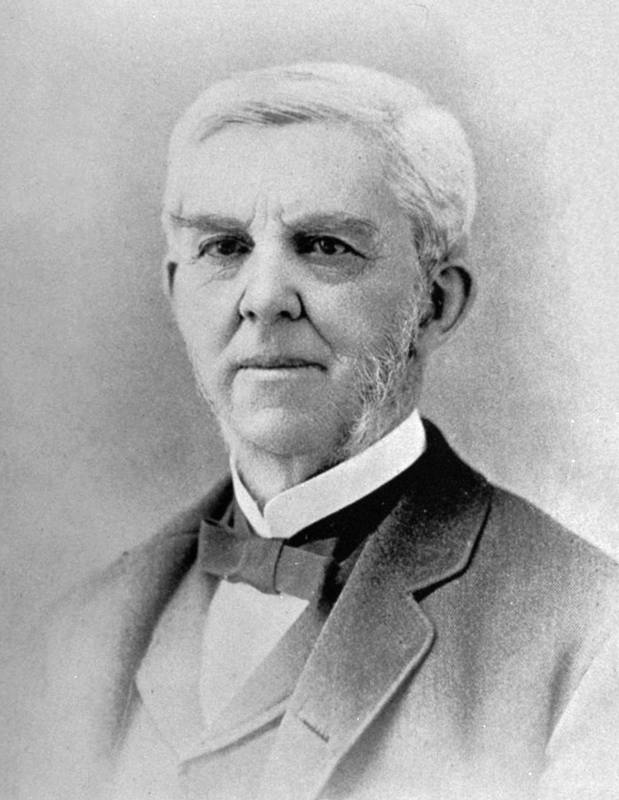
Holmes on the contagiousness of puerperal fever (1843)
Holmes argued in Boston in 1843 that physicians carried puerperal fever, four years before Semmelweis proved it with hand washing. His story shows the rules he proposed and the Philadelphia obstetricians who attacked him.
Read this moment
Read next · same disease or problem
Holmes on the contagiousness of puerperal fever (1843)
Holmes argued in Boston in 1843 that physicians carried puerperal fever, four years before Semmelweis proved it with hand washing. His story shows the rules he proposed and the Philadelphia obstetricians who attacked him.
Read this moment
 Today on The Clinical Times
Florida dengue outbreak appears to be largest in continental U.S. in decades
Florida has reported more than 250 locally acquired dengue cases this year, with most in Hillsborough County, according to state health officials.
Read today’s top stories
Today on The Clinical Times
Florida dengue outbreak appears to be largest in continental U.S. in decades
Florida has reported more than 250 locally acquired dengue cases this year, with most in Hillsborough County, according to state health officials.
Read today’s top stories
All 526 moments in the history of medicine. This one is in chapter 4, Germs, numbers and clean water
Connected moments
How this moment links to others in the history of medicine, and what you will find in each.
- Same disease or problem1795Gordon's treatise on puerperal feverGordon had argued half a century earlier that birth attendants carried puerperal fever. His story shows him tracing the Aberdeen epidemic from woman to woman through the midwives and doctors who delivered them.Read this moment
-
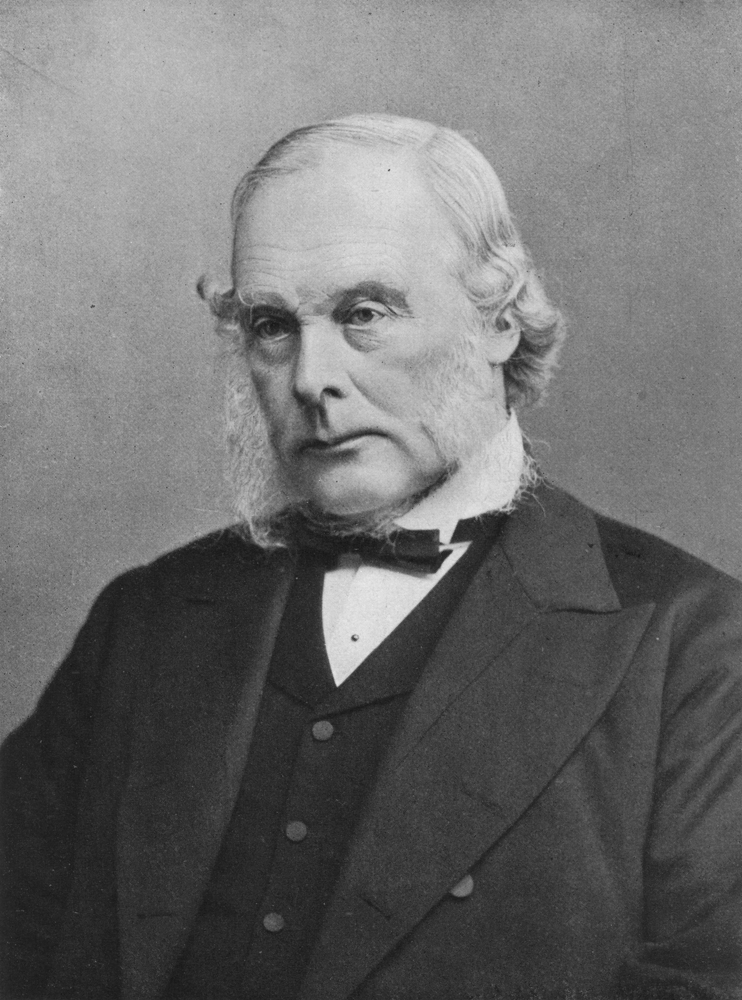 Same disease or problem1867Lister's antiseptic surgerySemmelweis won recognition only after Lister's antiseptic surgery of 1867. Lister's story shows carbolic acid dressings cutting deaths after amputation from about 45 percent to 15 percent.Read this moment
-
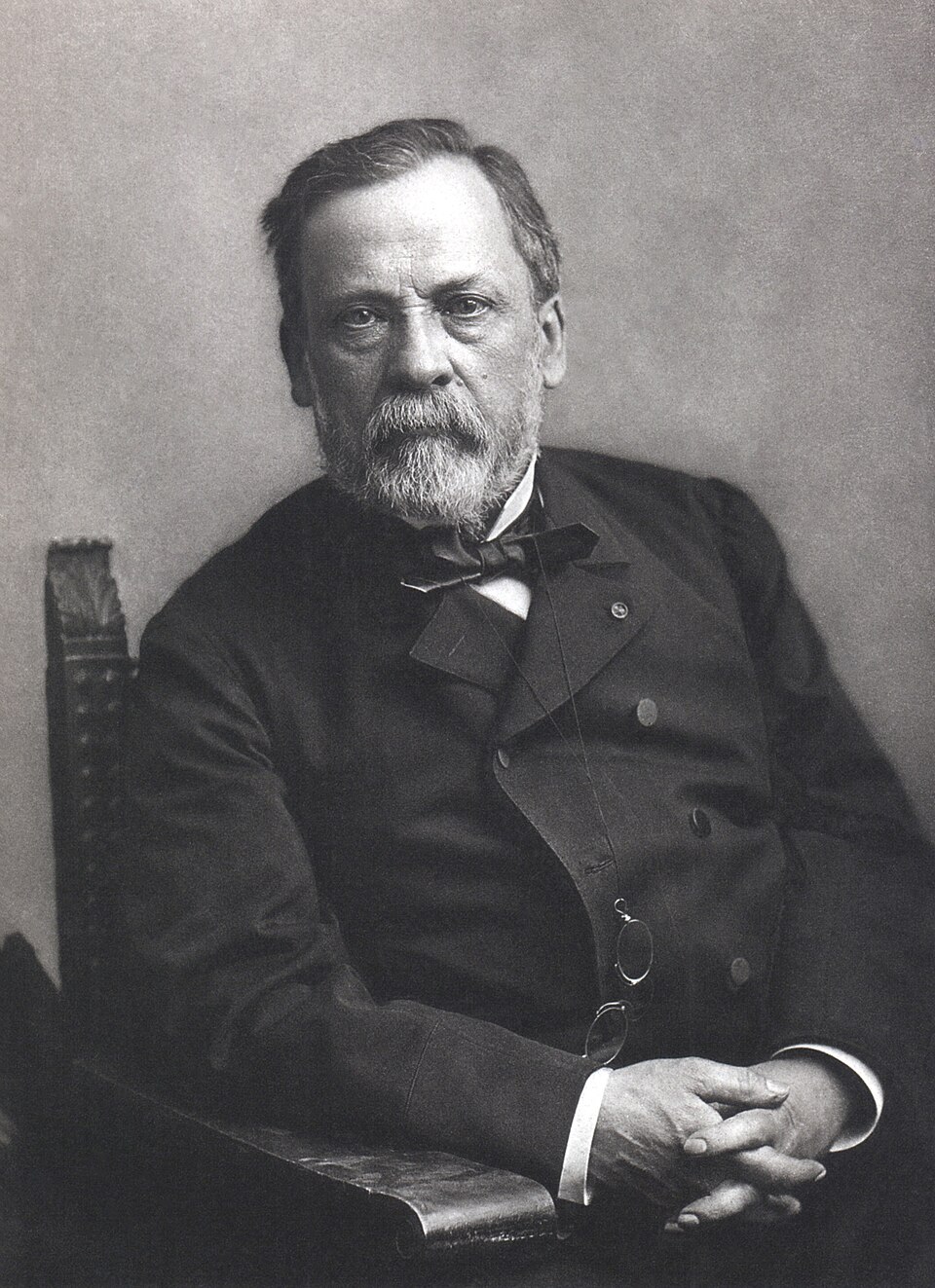 Same disease or problem1861Pasteur's refutation of spontaneous generationSemmelweis could only call the contaminant cadaverous particles, and Pasteur's work later explained what they were. His swan neck flasks showed that microbes come only from other microbes.Read this moment