Cardiology
1994
Antiplatelet Trialists' Collaboration Overview
Pooling 145 trials in about 100,000 people, this overview found that prolonged antiplatelet therapy, mostly aspirin, cut vascular events by about a quarter in high-risk patients, with reductions of about a third in nonfatal heart attack and nonfatal stroke.

Key people
- Richard Peto
- Oxford statistician who led the collaborative overview methodology
- Colin Baigent
- Oxford clinical trialist who worked on later antiplatelet meta-analyses
- Antiplatelet Trialists' Collaboration
- International group pooling data from 145 randomized trials
- Rory Collins
- Oxford epidemiologist and co-director of the Clinical Trial Service Unit overseeing the work
Source
By the early 1990s, dozens of randomized trials had tested aspirin and other antiplatelet agents in patients at risk for vascular events, but most were too small to yield reliable estimates of effect on mortality or stroke. The published literature was a patchwork: different patient populations, different doses, different endpoints, and different durations of follow-up. Clinicians reading individual trials could not extract a coherent message about which patients benefited, by how much, or at what risk. The question called for a different approach.
The Antiplatelet Trialists' Collaboration, coordinated from Oxford, combined 145 randomized trials of antiplatelet therapy for a month or more against control, covering about 70,000 high-risk patients and 30,000 low-risk people from the general population, plus 29 trials comparing regimens. The collaboration included trials of aspirin, dipyridamole, and other agents across patients with prior myocardial infarction, stroke or transient ischemic attack, unstable angina, and peripheral arterial disease. Combining the trials gave the group statistical power no single trial could approach.
In each of four high-risk groups (acute myocardial infarction, past infarction, past stroke or transient ischemic attack, and other vascular conditions), antiplatelet therapy cut vascular events by about a quarter, and among all high-risk patients nonfatal infarction and nonfatal stroke each fell by about a third; overall mortality was significantly reduced. In about 20,000 patients with acute myocardial infarction, vascular events fell from 14 to 10 percent within a month, about 40 avoided for every 1,000 treated. Benefit was consistent across the different high-risk clinical categories; what varied was the absolute gain, which was naturally greatest where baseline risk was highest. Medium-dose aspirin, 75 to 325 mg a day, was the most widely tested regimen, and doses across that range seemed equally effective.
The BMJ published the overview on January 8, 1994. Its conclusions supported long-term aspirin after heart attack, stroke or transient ischemic attack, and benefit was still accumulating between the first and third years of treatment.
The overview showed that moderate, consistent effects could be measured reliably by combining many trials. Reductions were significant in middle and old age, in men and women, and in people with and without hypertension or diabetes. In low-risk people taking aspirin for primary prevention, the overview found a one-third fall in nonfatal heart attack but a nonsignificant rise in stroke, and a much smaller absolute benefit.
Keep exploring
 Read next · built on
ISIS-2 (Second International Study of Infarct Survival) (1988)
ISIS-2 showed that aspirin cuts deaths in acute heart attack, and the overview pooled 145 antiplatelet trials to test the benefit more widely. The ISIS-2 entry shows aspirin and streptokinase each reducing vascular death.
Read this moment
Read next · built on
ISIS-2 (Second International Study of Infarct Survival) (1988)
ISIS-2 showed that aspirin cuts deaths in acute heart attack, and the overview pooled 145 antiplatelet trials to test the benefit more widely. The ISIS-2 entry shows aspirin and streptokinase each reducing vascular death.
Read this moment
 Today on The Clinical Times
Florida dengue outbreak appears to be largest in continental U.S. in decades
Florida has reported more than 250 locally acquired dengue cases this year, with most in Hillsborough County, according to state health officials.
Read today’s top stories
Today on The Clinical Times
Florida dengue outbreak appears to be largest in continental U.S. in decades
Florida has reported more than 250 locally acquired dengue cases this year, with most in Hillsborough County, according to state health officials.
Read today’s top stories
All 526 moments in the history of medicine. This one is in chapter 6, Trials, scanners and rights
Connected moments
How this moment links to others in the history of medicine, and what you will find in each.
-
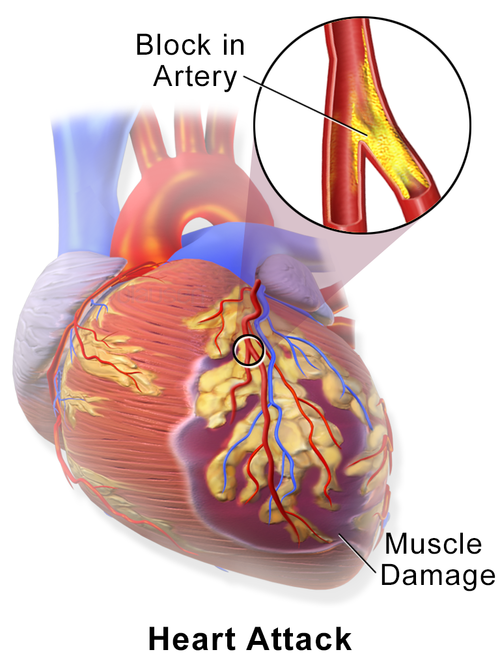 Built on1976Large simple trials and trial overviews (Peto and colleagues)The Oxford group had argued that conclusions should rest on all relevant trials, and this overview did exactly that for antiplatelet drugs. The 1976 entry shows the case for large trials and systematic overviews.Read this moment
-
 Same person2005Early Breast Cancer Trialists' Collaborative Group (EBCTCG) overview of adjuvant tamoxifenRichard Peto, who coordinated the antiplatelet overview, was also the statistical architect of the breast cancer overviews. The EBCTCG entry shows five years of tamoxifen cutting breast cancer deaths by 31 percent.Read this moment
-
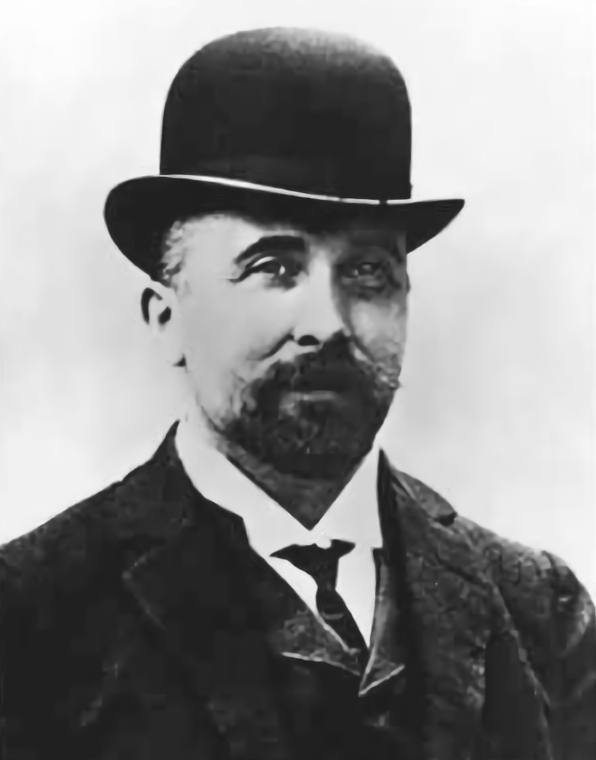 Built on1899Introduction of aspirinMost of the trials pooled tested aspirin, the drug Bayer began selling in 1899 for pain and fever. The aspirin entry shows how it was made pure and stable.Read this moment